This plugin helps increase the conversion rate of your WooCommerce store.
Today, we want to share more insight into overcoming the barriers affecting your conversion rate.
We'll show you how more than 3,500 e-commerce shop owners, just like you, have boosted their sales with WooCommerce Product Table.
Sell more products
John runs a WooCommerce store, and was struggling to increase the average order value of purchases. He added WooCommerce Product Table to his site, and has increased the average number of items per order by three times. Here’s what he has to say:
"Before I installed I was lucky to get orders with three items, now I AVERAGE ten products per order. Support is also really good too. I highly recommend this plugin." - John
WooCommerce Product Table helps you sell more products by letting you display as many products as you like in one easy to navigate table. This lets customers quickly sort to find the products they want – and helps you sell more, just as John did.
Increase conversions
Joe also runs a WooCommerce store, and was struggling to ensure his clients could sort through his products in order to find what they want. WooCommerce Product Table helps Joe’s clients quickly find what they’re after, increasing his conversion rate. Here’s what Joe has to say:
"I love how the products load fast to make it a smooth operation for my clients to find the products to add to their order. The display of the columns and the ability to filter the product categories is a great help." – Joe
You can enjoy the same boost to your conversion rate by adding WooCommerce Product Table to your site. Plus, it even works seamlessly on tablet and mobile :)
Outstanding customer support
If you need help, we’re here for you: we understand you’ll occasionally need help, and we’re on hand to promptly and efficiently get your issues fixed.
You shouldn’t just take our word for it. Here’s one of many gracious testimonials our current customers have left for us:
"Barn2 not only make fantastic plugins that just work very easily but the customer service is second to none. We will be using them for many future projects. There’s nothing better than a dependable product, well there is it’s dependable customer service — and they have that too." - Rob
We hope you’ll join our list of very happy customers, and be like Rob :)
More reviews and example websites
You can read dozens more reviews just like these on the WooCommerce Product Table reviews page. Read the full list of reviews, or search for reviews about your exact use case.
We've also published a plugin showcase, where you can see real-life examples of other WooCommerce stores who have improved their conversion rates.
Can we boost your conversion rate, and make your customers happier?
Now that you’ve heard how other WooCommerce store owners have benefited from our plugin, are you ready to join them?
WooCommerce Product Table comes with regular updates and personal support for 1 year. We think you’re going to love how quick and easy it is to setup and customize.
Hello! Yesterday, we told you about some of the factors affecting your WooCommerce conversion rate.
Today, as promised, we’re going to show you how to address these and increase your conversion rate.
Convert traffic into sales, quickly
On top of getting traffic to your site, it’s vital to remove any barriers which are getting in the way of users making a purchase.
To do this you’ll need to maximise the value proposition and present it in a way that appeals to your customers.
Your website’s usability is also a key factor – it needs to be intuitive, quick, and easy to navigate. Most store owners just use the default layouts that come with WooCommerce or your theme, but that may not be the best way to sell your products.
All this sounds like a lot of work – and that’s why we created a WordPress plugin to make this easy. We created WooCommerce Product Table for WooCommerce store owners just like you: it’s an easy way to display your products in a fully responsive, interactive grid on your website.
This allows your visitors to quickly get all the information they need to make a purchasing decision – and thus increases your conversion rate. I put together a list of ten ways the plugin does this in this post, which you can read for more detail :)
Essentially, the plugin removes the barriers which get in the way of users buying your products. If you’ve got a lot of data or comparison points for your products, this is the plugin for you.
Get WooCommerce Product Table and increase your conversion rate in minutes
Hello! This is is a 4-part online course about how to improve your WooCommerce conversion rate. We'll publish a new lesson every day until the course is complete. By the end, you'll have everything you need to get more sales from the same number of visitors.
And the good news? It's disarmingly easy.
What is WooCommerce conversion rate?
Every WooCommerce website owner will be familiar with conversion rate: the percentage of users who take a desired action on a website.
While every website is different, the single most important conversion for every WooCommerce store is always going to be sales.
There could be any number of other tasks you consider conversions, including signing up to a newsletter or requesting a quote. But the primary goal is a user adding items to their cart, and clicking that ‘Buy Now’ button.
What is a ‘good’ conversion rate?
How do you know if your conversion rate is “good”? How do you know how well your store is doing versus the rest of your industry? How do you know how much you can realistically increase your conversion rate?
Here are some figures to help give you a sense of where things lie:
In Q1 2017, the average conversion rate for ecommerce sites worldwide was 2.48%.
This should be the benchmark you compare against: you want at least 2.48% of all visitors to buy from your WooCommerce site.
There are, inevitably, some caveats to be aware of. This is because a huge quantity of variables affects your conversion rate:
Tablet users convert at a much lower average of 1.25%.
Desktop users convert at a higher 3.63%.
First time purchasers will only convert at 1.60%.
Return customers will convert at 5.83%!
You get the picture: 2.48% should be your benchmark average, but there’s a reasonable range to be had either side, from just over 1% all the way up to nearly 6%.
Barriers to buying
If you’re already working hard to get people onto your WooCommerce website, it’s disheartening when all that traffic doesn’t convert into the sales you’d hoped for.
After all, even a (very high) 6% conversion rate leaves 94% of visitors do not buy. That’s a huge deal, and a huge missed opportunity!
But, with so many factors influencing your conversion rate – how can you even start to improve it?
The key is to focus on the variables you can control. Do your customers have access to all the information they need, for example? Are they able to quickly make a purchasing decision?
By making the buying process as painless as possible, you have the opportunity to positively influence your conversion rate.
Your task to increase conversion rates
With this in mind, I have a small task for you to do: take a really good look at your website and jot down any obvious barriers getting in the way of your customers buying your products.
What would you need to add to, or remove from, your WooCommerce website to make it easier for users to buy more?
If the solution is starting to sound like far too much work: don’t worry. Tomorrow, I'm going to show you how to fix your conversion rate in minutes.
Building a successful online store requires designing it around your specific niche. If you want to run a wine or beer store, for instance, you need to optimize your WooCommerce site to showcase your drinks perfectly. This means finding the right tool to sell wine online with WordPress and WooCommerce.
Fortunately, the WooCommerce Product Table plugin offers the perfect solution. It adds the layouts you need to sell wine and other alcoholic drinks from a user-friendly one-page order form.
In this post, we’ll talk about why WooCommerce Product Table is a smart way to create your wine store. Then we’ll walk you through the process of setting up your shop and start selling wine online in minutes. This simple method works equally well for selling wine, beer or any other type of food or drink. Let’s jump in!
Why WooCommerce Product Table is the perfect way to sell wine online
If you want to improve the way you display products in your WooCommerce store, you can’t go wrong with WooCommerce Product Table. This handy plugin helps you add a table listing out your wines, and summarizing their key features in an easy-to-scan format. Customers can sort and filter the table to find what they need quickly, and even place orders without leaving the page:
WooCommerce Product Table is an ideal way to sell wine, beer or spirits online. Building a successful online wine store requires designing it around your niche. the unique requirements of your niche. For example, you’ll be selling a lot of drinks that are quite similar, distinguished only by attributes such as brand, year, or region. This means you need to find a way to organize all your wines clearly, and make it easy for customers to choose their favorites and order.
Fortunately, WooCommerce Product Table simplifies this process dramatically, since you can:
Include search, sort, and filter functionality, which means customers can use the product table to quickly find the wine they want.
Display product attributes right in the table, so people can see important information about your wines at a glance.
Add images, helping each variety or brand of wine stand out. Wines sell best with small thumbnail images, and WooCommerce Product Table offers the perfect layout for this.
Encourage customers to buy multiple bottles of wine through bulk discounts and multi-select checkboxes.
And to make your list of wines even more effective, you can add WooCommerce quick view and show extra information in a product lightbox.
At this point, you’re probably wondering how much work it is to start selling wines online with WooCommerce and WooCommerce Product Table. Fortunately, it's easy to set up and you won't need to hire a developer. Let’s walk through the process of setting it up and using it to sell wine online.
Install the WooCommerce plugin, and add each wine as individual products. All all the data that you wish to display about each wine product - for example, as product attributes. (Via Products → Attributes and then select them for each wine.)
At this point, your wines will appear in the default WooCommerce layout which is not suitable for selling wine online. The next step is to transform your store into a customer-friendly wine shop! Keep reading and I'll tell you exactly how to do this.
1. Add age confirmation features to your store
In a moment, you’ll start creating your product table. First, however, you’ll want to add a few age confirmation features to your site. Since you’ll be dealing with alcohol, you need to make sure you aren’t unintentionally selling to minors.
There are a few ways to ensure that your clientele is of legal age to purchase alcohol products from your WooCommerce store. Read through each option, and choose the one that best fits your needs:
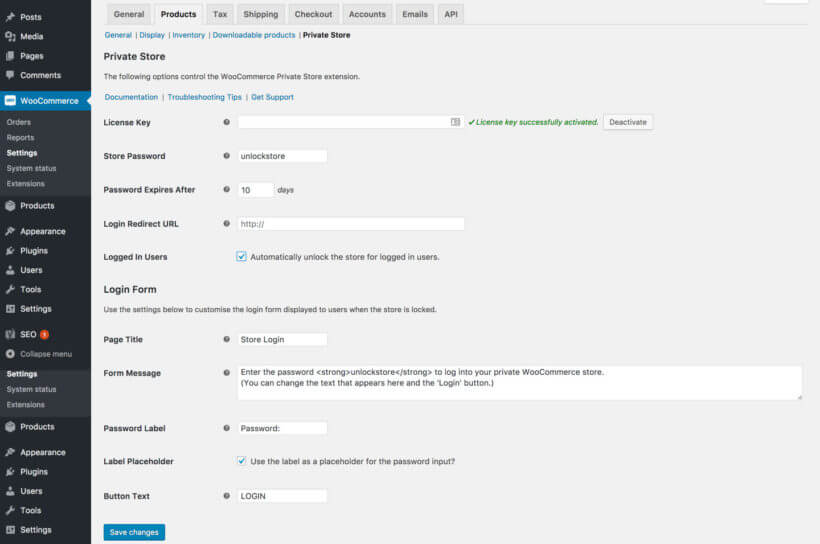
Hide your entire WooCoommerce wine store behind age verification First, you can require age verification before people are even allowed to enter the e-commerce areas of your site. The WooCommerce Private Store plugin is perfect for the task , letting you require that visitors enter their age before accessing the store pages. (Your other pages such as the homepage, blog and other standard pages remain available for everyone to view, which is important for your SEO/search engine optimization.)
Keep your store public, and add an age verification popup If you'd rather not hide your store from public view, then you can add a WordPress age validation popup plugin such as Age Gate. This will ask customers to confirm their age before they enter the store.
For even more security, you can also add an age confirmation feature to your checkout page. Using a custom field, you can ask customers to enter their age when making a purchase. To do this, you’ll need WooCommerce’s Checkout Field Editor extension:
Now that your WooCommerce wine shop is properly protected, let’s talk about how to display your wine products.
2. Install the WooCommerce Product Table plugin
The first thing you’ll need to do is purchase the WooCommerce Product Table plugin, and then install and activate it.
3. Create a product table listing your wines
Create a product table by going to Products → Product Tables.
First, you’ll want to decide where to add the table of wines. The easiest option is to enable the order form view on your main shop pages, so that you don't have to create a page to insert the table manually. You can do this on the first page of the table builder:
Next, use the Columns page to choose what information about your wines to include in the product table:
To sell wine online with WooCommerce, we’d suggest including (at the least) the product name, as well as a featured image, description, price, and add-to-cart option. You may also want to include a categories column to help organize your wines. If you used product attributes to add extra data about each wine, then it's a good idea to add each of these as a column.
When you've finished, view your main shop page. Your WooCommerce wine shop will look something like this:
4. Add product filters to the WooCommerce wine shop
In addition, your visitors will often want to quickly search through your product table for wines that meet specific criteria. You can make this easy by adding filters. The WooCommerce wine plugin comes with 2 types of filters which customers can use to refine the list of wines:
Filter dropdown menus that will appear above the table and enable customers to refine the list by product category, tag, attribute, and so on.
Filter widget which appear in the sidebar of the page where you're listing wines in a product table. These are added via the 'Widgets' page in the 'Appearance' section of the WordPress Dashboard.
You can add filter dropdowns via the 'Search & Sort' page of the table builder, or by editing a table at Products → Product Filters. If you view your list of wine products now, you’ll see the new dropdown filters:
Add filter widgets to the wine shop sidebar via Appearance → Widgets.
At this point, you have an informative and fully-functioning WooCommerce wine store up and running. Customers can use it to view all the wines and beers you offer, search for specific varieties, and make easy purchases. Of course, you can continue to tweak your product table as much as you like! For example:
Encourage customers to buy more by choosing the 'checkbox' add to cart button style. They can quickly tick multiple wines and add them all to their cart together.
Add a sidebar to your page and add the WooCommerce Cart widget. Customers can see the contents of their cart and edit it alongside the list of wines.
Speed up your product tables by enabling the lazy load and caching options.
There’s one more feature you may want to add to your wine store – subscriptions. Many customers will enjoy getting the same wine bottles or boxes delivered at regular intervals. This is a smart way to get recurring revenue from your store, keep customers loyal, and increase your average customer lifetime value.
With this tool, you can create whatever subscriptions you like, and enable customers to set up recurring payments. Then, it will simply inform you whenever a new order needs to be shipped. It's a fantastic way to increase the revenue from your WooCommerce wine store.
Bonus feature #2 - Speed up your wine shop with WooCommerce quick view
When you're selling wine in WooCommerce, it's best to keep customers on the list of wines. People tend to buy multiple wines at once, so you don't want to take them to a separate page for each wine. After all, they might not find their way back to the wine list!
If you want to show more information about each wine than will neatly fit in a product table, then quick view is the answer. The WooCommerce Quick View Pro plugin is designed to work on its own or with WooCommerce Product Table. It adds quick view links or buttons to the table.
There are lots of reasons why quick view can improve your WooCommerce wine shop:
Show extra information without taking customers to a separate page.
Choose what information to show in the quick view lightbox. For example, this might be multiple product images (e.g. a glass of wine, the bottle, and a wine crate), the short description, reviews, and add to cart buttons.
Select variations andquantities directly from the lightbox.
Bonus feature #3 - Use bulk discounts to sell more wine online
By default, WooCommerce has a set price for each product. Given the high delivery costs associated with selling wine online, customers like to stock up on wine and buy a few months' worth in a single order. Volume discounts are a great way to encourage them to buy more wine from you.
You can easily set this up using the WooCommerce Discount Manager plugin. This lets you automatically calculate volume discounts based on the quantity in the customer's cart. It can also display a table of quantity-based discounts on the product page, encouraging people to buy more.
Start selling wine with WooCommerce today 🍷
If you want to sell wine online, you’ll need to design your e-commerce wine store thoughtfully. What's more, you’ll want to find a way to show off your wines in the best light, and make ordering as simple as possible. The WooCommerce Product Table plugin enables you to do both of these things, and much more.
To set up a store where you can sell wine online, follow these five steps:
Add your wines to WooCommerce as products.
Add age confirmation features.
Install the WooCommerce Product Table plugin.
Create a wine shop order form.
Enable customers to purchase subscriptions.
Do you have any questions about how to sell wine online using WooCommerce Product Table? Let us know in the comments section below!
WooCommerce is an incredibly powerful and flexible e-commerce platform. You can use it to create just about any type of online store and offer all kinds of online shopping experiences. You can even use it to create a WooCommerce mix and match products website.
Whether you’d like to start selling custom gift hampers, assorted donuts, and pastries, or bespoke food boxes, WooCommerce makes it incredibly easy to get started.
Paired with the right plugins, WooCommerce is the perfect solution for selling bespoke mix and match products and taking customized orders. After ensuring compatibility and setting everything up, your customers will have the ability to place personalized orders on your online store. They can view items in a user-friendly, catalog-like list, choose options and tick the items they’d like to add to their order and place their customized order. All from a one-page WooCommerce order form.
In this article, we’ll cover everything you need to know about WooCommerce mix and match products. You'll learn how to add products in WooCommerce, as well as how enabling customers to personalize their orders can benefit your online shop and how people are utilizing this feature. We’ll also step through a quick tutorial to help you create your own WooCommerce mix and match online store using the WooCommerce Product Table plugin.
Let’s get started!
Some examples of WooCommerce mix and match products
Mix and match products work by allowing customers to select individual products they’d like to purchase and add them to a gift hamper, product box, or bundle items. Let’s take a look at some of the most popular types of WooCommerce mix and match products that you can sell with WooCommerce.
Example #1: Pizza, sandwich, and salads
Customizable food items such as pizzas, sandwiches, and salads are often sold using a mix and match system. For instance, a WooCommerce-based restaurant that allows customers to place orders online usually allows customers to choose toppings and filings to put together their own meals. This is just one of many mix and match products examples, where WooCommerce can be utilized to offer personalized and customizable options to customers, such as selecting ingredients for their pizza, sandwich, or salad.
Your WooCommerce mix and match products offering may vary slightly depending on what you're selling. However, the core concept remains the same. Essentially, you allow your customers to build their own meals. For instance, if you were selling pizzas then you’d let customers choose their base, sauce, toppings, and dips. They mix and match the pizza options to create their own customized pizza - all using WordPress and WooCommerce.
Example #2: Gift hampers
Buying a hamper as a gift is always more special when you can select the individual items you’d like to add to it. Whether you’re selling face and body products, wines and candles, decadent chocolate, corporate gifts, or gourmet products, you can create a personal gift experience by letting customers mix and match their own selection of items.
Learning how to add products in WooCommerce opens up several avenues for offering WooCommerce mix and match products on your online store. Some companies, for instance, sell custom meat or vegetable deliveries to customers on a subscription basis. With WooCommerce, you can easily offer this option on your online store, in addition to selling custom meat or vegetable packages on a subscription basis and other mix and match products examples. Keep reading to learn how to do this and more.
How do customers mix and match products in WooCommerce?
This is how the WooCommerce mix and match products system works:
You have a page on your online store where you list all of the products (and variations or other options) that customers can choose from Generally, the products are divided into several categories, each listed separately on the mix and match page. The categories should be based on how the customer would actually put together their mix and match product order.
The customer chooses items to create their own unique mix and match products Standalone items appear on individual rows of a table, whereas mutually exclusive items appear as dropdown lists within a single row of the table. The customer simply ticks a checkbox next to each item they’d like to add to their mix and match product.
Once they’ve picked out all of the items they’d like to purchase, they click the Add Selected to Cart button This adds all the selected items to the WooCommerce shopping cart.
The customer views their cart and can make changes to it, if necessary Once they’re happy with the order, they can proceed to the Woo checkout page and make a payment.
As the store owner, you’ll receive an email with the order details You can then build the customer's mix and match product, add the products they selected to it, and ship it to them.
Which WordPress plugins will I need?
Under the hood, the mix and match products system uses WordPress to power your overall ecommerce website. It requires a free WooCommerce plugin to create products and manage the checkout process. You'll also need the WooCommerce Product Table plugin to list your inventory in a table layout on the mix and match product order form.
Next, I'll tell you how to set up your WooCommerce mix and match plugin. But first, let's look at a real-life case study of a website with this exact setup.
Case studies - How other WooCommerce websites sell mix and match products
Inspire Cosmetics - mix and match cosmetics boxes
Inspire Cosmetics - selling mix and match cosmetics
Inspire Cosmetics has created a multi-step process for ordering mix and match make-up and cosmetics.
They used the Beaver Builder WordPress page builder plugin to create a series of four connected pages in tabbed layout options. Each tab contains a separate list of WooCommerce mix and match products, created using the WooCommerce Product Table plugin.
This makes it quick and easy for customers to choose a container, select the contents and place their order in WooCommerce.
Barks & Squeaks - selling mix and match pet hampers
Barks & Squeaks use WooCommerce and WooCommerce Product Table to sell mix and match gift hampers for pets.
They list the items from each category on a single page. The customer chooses their container options first, then scrolls down to mix and match the contents.
Now you've learned all about how a WooCommerce mix and match plugin works. Next, I'll tell you how to set it up on your own WordPress website! Keep reading and we'll get started straight away.
How to create a WooCommerce mix and match products website
Letting customers put together their own product bundles using a product configurator can help you increase sales and make the customer feel special.
This tutorial assumes you already have WooCommerce installed on your WP website. If not, check out the fantastic guide on how to create a WooCommerce online store. When you're ready, continue this tutorial to transform it into a WooCommerce mix and match product configurator.
Here's a video on how to set it all up. You can also read our detailed written instructions below.
Step 1: Create the mix and match product categories
First, figure out how you’d like to design the mix and match products' user flow. Decide which categories you’d like to divide the WooCommerce mix and match ordering system into.
For example, if you wanted to let customers build their own gift hampers, you might consider creating a category for the container, the contents, and wrapping and filling:
It’s a good idea to create a logical category structure that takes the customer on a journey and helps them put together their WooCommerce mix and match product in an intuitive and user-friendly way. In the above example, customers would order using a three-step process:
Select a container.
Choose the items they’d like to add to the container.
Configure padding and wrapping options.
This way, your customers can mix and match their own bespoke gift hampers.
Once you’ve settled on which categories you’d like to create, head over to Products → Categories and create as many as you need.
Step 2: Plan out products and add them to your online store
Next, we’ll add the individual items we want to sell to our WC online store. The items that customers can mix and match to build their product should be added as WooCommerce products.
Following our example, here are some of the WooCommerce products you might add under each mix and match category:
Container/Hamper
Hamper
Box
Contents
Candied Nuts
Luxury Biscuits
Decadent Chocolates
Red Wine Bottle
White Wine Bottle
Packaging
Gift Wrap
Ribbon
Straw Filling
First, jot down all of the products you’d like to sell. Categorize them under one of the categories you created in the previous step. Once that’s done, you need to decide whether you’d like to create each item on your list as an individual product or group it into variations.
To decide whether a particular product needs to have variations, consider whether the customer would have to make an either/or choice. In the example outlined above, the customer would have to pick either the hamper or the container. Whereas in the second stage, they’d simply be asked to select all of the items they’d like to mix and match.
Add products and/or variations based on these principles:
For 'or' choices where the customer can only choose one option, create a WooCommerce variable product. Add each option as a variation.
For 'and' choices where the customer can choose multiple options, create a standalone WooCommerce product for each item.
Tip: If you want to add multi-select options to individual products, keep reading to learn how.
Step 3: Add products to WooCommerce
Once you’ve planned out your products, add them to your WooCommerce store by following these steps:
Navigate to Products → Add New from the admin panel.
Enter the WooCommerce mix and match the product’s details such as product title, description, and featured images.
Assign categories and tags.
From the Product Data section, choose a product type based on the format you’ve decided:
Simple Product. For standalone products that customers can add to their mix and match product bundles without variations, select the Simple Product.
Variable Product. Select Variable Product for all mutually exclusive items that customers can personalize before adding to their shopping carts. Follow these instructions to add variable products.
Click the Publish button.
Follow these steps to add all of your products to your online store.
Step 4: Create a mix and match products page
Now we're getting to the fun part! This is where your WooCommerce mix and match products configurator comes to life.
By now we’ve added all of the products to our WooCommerce store and categorized them. Next, we'll list everything in a mix and match products order form. By doing so, customers will be able to mix and match products and build custom gift packages.
4a. First, create your mix and match product tables
Use the table builder to create your first table of WooCommerce mix and match products as follows:
On page 1 of the table builder, choose the option to
Use the next page to choose which products to display in the order form. When creating a WooCommerce mix and match site, you'd normally create multiple tables, each listing specific products or items from a different category. That way, you can structure the order form into multiple sections.
Add all the columns of product data that you want to include in the mix and match order form.
Change the 'Add to cart method' to 'Checkbox' and change the variations option to 'Dropdown'.
Repeat the above steps to create a separate table for each group of mix and match products that you want to list separately. To save time, duplicate an existing table at Products → Tables and edit which products are included.
4b. Create the mix and match products page
Next, go to Pages →Add New to create a new page where we’ll list the WooCommerce mix and match products. Add any text that will appear above the order form, such as instructions or information about the ordering process.
Divide the page into sub-headings. Each sub-heading will be based on the categories you created in Step 1. Following our example, the sub-headings might be Step 1 - Choose a Container, Step 2 - Choose your Contents, and Step 3 - Choose the Finishing Touches.
Finally, insert a 'Product Table' block under each heading and select the relevant product table which you created earlier. If you don't use the WordPress block editor then instead, you can get a shortcode for each table from Products → Product Tables.
That’s it! Now hit the Publish button and preview your page on the storefront. It should look something like this:
Bonus tip #1 - Add extra mix and match product options
Product add-ons appear in the add to cart column of the mix and match product configurator.So far, you've learned how to use variations to add a choice of options for each mix and match products. This is fine for most WooCommerce mix and match configurators. However, variations aren't suitable if customers need to be able to select more than one option at a time.
Fortunately, you can easily do this with the WooCommerce Product Options plugin. This fantastic WooCommerce extension makes it easy to add extra options to your mix and match products. For example, you can add multi-select checkboxes to each product. You can even add text fields where the customer can enter a personalized message.
Bonus tip #2 - Too many options? Add quick view lightboxes
Some WooCommerce mix and match products websites end up with a large number of variations or options for each product. For example, look at the Pizza Fiorentina product in the screenshot above. This product has 2 rows of product add-ons, which isn't a huge number of options - and it's already taking up a fair amount of vertical space. As a result, you can easily imagine what would happen if you tried to list several dozen options per product!
The solution is to remove the add to cart column from your mix and match products table, and replace it with quick view buttons. You can do this by adding the WooCommerce Quick View Pro WordPress plugin.
Customers click on the quick view buttons to view more product information and purchase options in a lightbox window.
There are lots of benefits from using quick view to sell WooCommerce mix and match products:
You can choose what information to include in the lightbox. For example, you may wish to show the full gallery of product images. Or you may wish to hide the images and just show extra product data or add to cart options. Alternatively, you can have both! Either way, there's no limit to the number of variations and options that you can offer in the lightbox.
Customers remain on the product table at all times and don't have to visit a separate page to purchase each better. That's why quick view is better than using the single product page to sell mix and match products.
WooCommerce Quick View Pro also supports other methods of selling mix and match products such as grouped products, Composite products, and Product Bundles. List the products in a table, and customers can create custom product marketing bundles from within the quick view lightbox.
Bonus tip #3 - Sell mix and match product subscriptions
Most mix and match WooCommerce products configurators sell products on a one-off basis, with a single payment.
If you prefer, you can create mix and match product subscriptions. The instructions are the same as above, but you need to add the YITH WooCommerce Subscriptions plugin to take repeat payments.
WooCommerce Subscriptions make it easy to accept free trials and regular payments for each product. You can choose whether to offer a free trial and whether customers will be billed weekly, monthly, or whatever frequency you like.
Bonus tip #4 - Restrict how many mix and match items the customer will order
So far, you've learned how to sell mix and match products by setting a fixed regular price for each product or variation. The total order cost is the sum of all the products that the customer selects and adds to their cart.
Some WooCommerce mix and match websites prefer to set a fixed cost for the entire product box. If you do this, then you'll need to add a product price for the container itself and set the price of the contents products as $0.00. (You can easily hide the item pricing column of the tables listing the mixed and matched contents.)
If you do this, then you'll want to restrict the number of products that the customer can order. You can easily do this with the WooCommerce Quantity Manager plugin. Its plugin lets you create a minimum and maximum quantity rules. The rules prevent customers from ordering the wrong amount - essential for selling fixed price mix and match products in WooCommerce.
For example, you might set a minimum and maximum quantity of 1 for the container itself. You would then add a maximum quantity or value for the 'contents' category. This controls how many items can be added to the container.
Bonus tip #5 - Sell mix and match packages with quantity-based discounts
Perhaps you want to sell WooCommerce mix and match products with a choice of packages, with discounts based on the number of products ordered. This is a good way to give discounts based on the number of photos purchased, without having to restrict the number of products that each person can buy.
To do this, use the WooCommerce Discount Manager plugin to dynamically change the price based on the number of products in the cart.
Next, you need to display the information in the frontend in a format that will encourage people to buy more:
At the top of the page, add information about the different packages and prices.
Underneath, use WooCommerce Product Table to list your mix and match products.
Customers can choose as many photos as they like and they will automatically be charged the correct price for their package.
Where to get the plugins
Letting customers mix and match products to create personalized orders and gift hampers is a great way to deliver an exceptional customer experience. And the best part is that it’s incredibly easy to do with the WooCommerce, WooCommerce Product Table, and Quick View WordPress plugins.
Now you know how to create your own WooCommerce mix and match product order form. Hopefully, you’re in a good position to take things further.
How do you use mix and match products in your WooCommerce store? We’d love to hear from you so let us know by commenting below!
Discover 3 simple ways to create restricted products in your ecommerce store. We'll do it using the best WooCommerce private products plugins.
There are lots of reasons why you might want some or all of your WooCommerce products to be private, or have access restricted to certain users. A private, invisible section on your online store makes it easy to keep private products away from the public. This allows you to provide personalized offerings to specific customers or groups, while maintaining the confidentiality of private products.
The problem is that, by default, it's not possible to create private products in WooCommerce. This limitation can be a challenge when you want to offer exclusive products that only certain customers can view.
In this article, I will share 3 easy ways to create WooCommerce private products. We'll do it using a choice of 2 plugins - WooCommerce Protected Categories and WooCommerce Private Store. Keep reading to discover which plugin is best for your needs, and read step-by-step tutorials for each method.
What are private products in WooCommerce?
Private products are hidden WooCommerce products which are invisible to public visitors. They are only visible to authorized users, who might unlock them by entering a simple password or logging into their WordPress user account.
The best WooCommerce private products plugins give flexibility in which products are private and which remain public. They also let store owners choose who can access the private products - for example, by user role or even restricting products to specific users.
What are the benefits of having WooCommerce private products?
There are many benefits to making entire categories of WooCommerce products private. For instance:
It's also possible to create a restricted area containing private products WooCommerce that are invisible from your public store.
You can use WooCommerce to sell private products that are unique to individual customers.
It's also possible to create an exclusive area containing private products that are invisible from your public store.
By making entire areas of WooCommerce private, you can create exclusive offerings for specific customer groups, such as VIP customers or members of a subscription program.
"While most WooCommerce stores want everyone to see their products, there are lots of reasons why you an online shop might need private areas. Private products are an opportunity to expand your reach and sell in different contexts which aren't normally possible in WooCommerce."
Examples of businesses that benefit from WooCommerce private products
Here are some examples of the types of businesses that can benefit from WooCommerce private products:
Photographers Photographers often need to upload albums from a photoshoot to a private online photo gallery. This makes it easy to share private photos with the client, for example after private events such as weddings and baby showers. Clients can let choose and order the photos they’d like to purchase. It's important to keep these WooCommerce products private and invisible from public view.
Wholesale products. If any of your products are available for the B2B market only, then you'll need a private wholesale area. Even if you sell the same products to wholesale and public users, you need private wholesale products with discounted pricing.
Manufacturers and vendors Manufacturers and vendors might consider creating private online stores for each of the companies they serve. Clients can place orders for products that are specific to them, such as branded goods.
Service-based businesses Online service businesses often charge different rates to each client depending on the services they’ve opted for. Selling services as WooCommerce private products makes this easy to execute.
Members-only store If you have a WooCommerce membership-only store that is not available to the public, then you'll need a global way to make all your products private.
Age restricted store If you’re selling products or services designed for adults then you’d likely want an easy way to prevent underage visitors from viewing content. For example, this might include tobacco, alcohol, or adult competitions/products. Setting up a private area within WooCommerce can help you achieve this.
Now we understand what WooCommerce private products are and why you need them. Next, you'll learn how to set it up on your own membership site.
3 ways to create private WooCommerce products
Now you know what private products are and what they're useful for, let's talk about how to add them to WooCommerce. There are 3 easy ways to do this:
The first two methods both use the WooCommerce Protected Categories plugin. This lets you make some or all of your product categories private. The difference between the methods is how people can access the private products:
Method 1 is for users who have an account. You restrict the category to specific user roles or even individual user accounts. People unlock the private products simply by logging into their account.
Method 2 allows anyone to unlock a category of private products by entering a simple password (no user account needed).
Method 1: Create private WooCommerce products for specific users and roles
Choose this method if you answer "Yes" to both of these questions:
Do you want to make some of the products in your WooCommerce store private, while leaving other products public?
Do you want private products to be unlocked automatically when users with the right permissions log into their account?
With this method, we'll use the WooCommerce Protected Categories plugin to create private product categories that are available to specific users and/or roles. It's incredibly convenient for you because instead of spending time making individual products private, you do it at the category-level. This gives you fine-grained control while also saving you time. Whenever you add a new product in future, simply adding it to an existing category will make it private.
It works like this:
You can make any or all of your product categories private by selecting which user roles - or even which individual user accounts - can access them.
When users with access to a WooCommerce private product category visit your store, they can see all the private products that they have access to.
Other users just see your public products.
You can restrict different categories to different users or roles - for example, in order to create customer-specific products or different membership tiers.
When you protect a product category, all its sub-categories are automatically protected too.
Activate your license key in the plugin setup wizard.
Also in the setup wizard, select a page that unauthorized customers will be redirected to if they try to access a private product (e.g. if they have the URL for some reason).
Go to Products → Categories and add new or edit a category which you want to make private.
Find the 'Visibility' option and select 'Protected'.
Now choose the users and/or roles that will have access to the private WooCommerce products in this category.
Repeat steps 4-6 for all the categories that you wish to make private. (Remember that you don't need to do this for sub-categories as they are protected automatically.)
Save changes to make the products private on your live site.
And that's it! When a logged in user with access to a private product category visits your store, they will be able to see your public products plus their private products.
Feel free to add links to the private categories or their products to your navigation menu (Appearance → Menus). These will only be visible to users with access to the category and can make the private products easier to find.
Method 2: Create private WooCommerce products with password protection
Choose this method if you answer "Yes" to both of these questions:
Do you want to make some of the products in your WooCommerce store private, while leaving other products public?
Do you want customers to be able to unlock the private products by entering a password, without needing their own user account?
With this method, we'll use the same plugin as Method 1 - WooCommerce Protected Categories. But this time, we'll be setting it up slightly differently so that people can unlock private product categories simply by entering a password. They don't need their own account on your store.
It works like this:
Make some or all of your product categories private by creating one or more passwords.
You can create shared passwords to give to multiple customers, or create individual passwords for different people.
The plugin creates a customizable login landing page where customers can enter the password. When they enter a correct password, they are automatically redirected to the private category which matches the password.
Users who haven't entered the password can only see your public products.
When you password protect a product category, all its sub-categories are automatically made private with the same password.
Setup instructions
The steps to create private product categories with password protection are identical to Method 1 (above), with 3 exceptions:
In the setup wizard, you should configure the settings for your password login page. For example, you can add custom text to appear on the page.
Step 6 is different. Here, instead of selecting the users or roles who can access the private products, you should select 'Password protected'. You can then enter 1 or more passwords which can be used to unlock the category.
Finally, you should create a new page for the password login form. Do this by adding the shortcode [category_login] anywhere on your WordPress site.
You can mix and match Methods 1 and 2 as needed. For example, you can set the same category to both 'Password protected' and automatically unlock it to certain users and roles. As a minimum, I recommend making your WooCommerce password protected categories available to the Administrator role so that you can see them when you view the store.
Method 3: Make the whole of WooCommerce private
Choose this method if you answer "Yes" to this question:
Do you want to make ALL of the products in your WooCommerce store private, with no products available for public visitors to view or purchase?
This method involves making ALL your WooCommerce products private. To do that, you need a different plugin - WooCommerce Private Store.
WooCommerce Private Store makes it easy to make an entire store private, including all its products. This creates a 100% restricted-access WooCommerce shop. The private area includes your main shop page, product pages, product categories, tag archives, cart and checkout. It will leave the other parts of your website public. (E.g. the Homepage, About page and blog).
To unlock the WooCommerce private content, customers must enter a password or log into their user account. (Depending on which options you choose on the settings page.)
Use the setup wizard to set up the plugin as follows:
Activate your license key.
Tick the 'Logged In Users' box if you want to unlock the private products for logged in users (and select which roles and/or users should have access if required); or add a password if you're using the password protection option.
Finally, go and make yourself a drink - you've finished work and your WooCommerce products are now private ☺️
Where to get the plugin
In this article, we have discovered 2 easy-to-use plugins for creating WooCommerce private products:
Choose WooCommerce Protected Categories to create specific categories of private products, while also having public products which everyone can access.
Use WooCommerce Private Store if you want to make all your products private, with no public ecommerce area.
Both plugins come with a 30-day guarantee, so you can try them on your site risk-free.
Are you considering setting up WooCommerce private products in your online store? We'd love to learn more about the nature of your online store and which method suits you best for restricting products in WooCommerce. Share your thoughts and insights by leaving a comment below!
Discover 2 ways to let customers use WooCommerce to add multiple products to the cart. It's the faster way to shop and a great way to increase your average order value!
If you want to improve the shopping experience on your WooCommerce website and increase sales, then you need to make it easier to purchase products. Customers are likely to buy more if you let them add multiple WooCommerce products to the cart from one page.
In this article, I'll tell you about 2 ways to make this possible:
First, we'll use the WooCommerce Product Table plugin to allow your customers to select multiple products and add them to the cart from a single page. This non-technical solution is ideal for all online stores, whatever your level of experience.
We'll also look at how to write custom code to add multiple products to the cart via a special URL. This is a more technical option for developers.
Here’s how it works with WooCommerce Product Table: the customer simply ticks a checkbox to select each product they’d like to buy. Next, they click an Add Selected to Cart button to add everything at once. Finally, they head over to the checkout page:
Let's get started!
Method 1: Add multiple products to the cart from one page with WooCommerce Product Table
WooCommerce Product Table is a plugin designed for WooCommerce websites that lets users add multiple products to the cart from one page.
It lists products in a customizable, searchable table layout with a checkbox next to each product. You can display an Add Selected to Cart button directly either above and/or below the product table.
With the WooCommerce Product Table plugin, you can:
Display product tables with multi add to cart buttons on your main shop pages, or;
List products with the add to cart checkboxes on any other pages on your WordPress site. This could be a table of all your products, or products with specific categories, tags, attributes, etc.
The product tables are fully customizable, searchable, and sortable. For example, you can choose which columns of product information to include in each table. Its the perfect bulk add to cart plugin for WooCommerce.
How to add WooCommerce add multiple products to cart buttons to your store
Get the WooCommerce Product Table plugin. You’ll also receive a license key for using the plugin in a confirmation email.
Log in to your WordPress website and head over to Plugins → Add New. Upload the plugin’s zipped file and click Activate.
Navigate to Products → Product Tables and click 'Add New'.
Follow the onscreen steps to create your first product table.
On the first page, choose whether you want to enable the product table view on your main shop pages or to manually add a table to another page.
On the 'Add to Cart' page, select either 'Buttons and checkboxes' or 'Checkboxes'. Either of these options will allow customers to add multiple products to their cart at once.
Read through the other settings and make any other changes to customize how you want the product table to behave.
Next, you need to add the table to a page. (Ignore this step if you already enabled the table on your shop page templates.) Head over to Pages → Add New to create a new page (or edit an existing page) that you’d like to add the product table to.
Insert the 'Product Table' block and select the table you just created. Or if you're not using the WordPress block editor, then insert the [product_table id="1"] shortcode instead. You can find the correct ID at Products → Product Tables.
That’s it! This will automatically generate a product table on the front-end of your WordPress website. It'll include options to let WooCommerce users add multiple products to the cart from one page, like this:
Display important product information in the table
One of the key benefits of using the WooCommerce Product Table plugin is that your customers don’t have to visit single product pages to get important product information or add to the cart.
The purpose of letting customers add multiple products to the cart from one page is to speed up the shopping user flow. For this reason, it doesn’t make sense if customers can't get important information directly from product listing pages. You want to display everything the customer needs to make a purchasing decision in the table layout.
We were looking for a product table with the ability to buy several things without being directed to the individual product pages and well, that's what this plugin does! :)
Rena Ragimova
With WooCommerce Product Table, you can choose which columns to show (or hide) in the table view. Out of the box, the plugin supports all the standard product data that WooCommerce stores in the WordPress database. You can also add extra columns, such as custom fields and taxonomies. Here’s a complete list of the available columns you can choose from.
Choose your columns carefully to maximize your sales. Add the columns that will actively encourage customers to add more products to their shopping cart. For example, you might decide to include a product reviews column. This will give customers some insight into what other people thought about the product.
Let customers select quantity and product variations
Customers might want to use a quantity selector or provide variation options to customize their product or order. Making these options available alongside the Add Selected to Cart button will further improve your site’s user experience.
Here’s what you need to do:
Activate the quantity selector. The WooCommerce Product Table plugin comes with a built-in option to display a quantity selector directly in the table layout. Simply activate the quantity selector option from the plugin’s settings page. By doing so, customers will be able to set a quantity before adding a product to their cart.
Display product variations. With the WooCommerce Product Table plugin, you can display product variations as dropdown lists or as separate rows.
You can do this in the add to cart step of the product table builder.
If you’re using the WooCommerce Product Options plugin in tandem with WooCommerce Product Table, then extra product options will show up next to the Add to Cart buttons. In some cases, adding variable products might not make sense for the type of product you’re selling. Instead, you can add extra options (in the form of checkboxes, radio buttons, or text fields) directly to the table layout like this:
Add product quick view buttons
Adding multiple products to the cart is all about keeping the customer on one page. So what happens if you want to provide extra information which doesn't fit on the one page order form? You don't want to send customers to a separate page for each product - that defeats the purpose of the multi-add to cart features.
The solution is to use the method described in this tutorial with the WooCommerce Quick View Pro plugin. This plugin works with WooCommerce Product Table and adds quick view links or buttons to the WC order form. Customers click on these links to view more product information in a quick view lightbox window. They can learn more about the product and then close the lightbox to return to the one page order form, where they can add multiple products to the cart. This aids multiple purchases better than sending customers to multiple pages.
If you want customers to add multiple products to the cart at once, then you may wish to remove the add to cart buttons from the quick view lightbox. Instead, use the plugin settings page to show other information in the lightbox such as the short description and full product image gallery. Customers will still need to use the multi-select checkboxes to add products to the cart, directly in the order form. Or if you prefer, you can have the checkboxes on the order form AND allow customers to purchase products individually from the lightbox. The choice is yours.
Add a popup cart
Adding multiple products to the cart is all about letting customers order more quickly and easily. However, that's only the first half of the customer journey.
It's equally important to provide quick ways for customers to add their details and complete the purchase. That's where WooCommerce Fast Cart comes in.
This handy plugin displays a popup cart and checkout after customers add products to the cart. They can then complete the order directly in the popup, without leaving the page. This is much better for customers than having to visit separate cart and checkout pages.
Add WooCommerce Fast Cart for a quick popup cart and checkout.
Method 2: Add multiple WooCommerce products to cart via URL using PHP
As you can see, the Product Table plugin provides the easiest way to add multiple products to the cart in WooCommerce. This is perfect for developers because it is so customizable, and perfect for website owners because they don't need to write any code.
However, some people need to use WooCommerce to add multiple products to the cart via a URL. This is a more technical solution so I'll briefly explain what's possible, and share some resources for getting it done.
WooCommerce itself lets you add products to the cart via a URL. It works like this:
https://mywebsite.com/?add-to-cart=123 - this adds product with the ID 123 to the cart.
https://mywebsite.com/?add-to-cart=123&quantity=5 - this adds 5 of product with the ID 123 to the cart.
However, this just adds one product to the cart. To add multiple carts to the WooCommerce cart instead, you need to write a custom PHP function.
Webroom Tech have provided a useful article on how to modify the above URL structure to support multiple products. Implement the code snippet from their article, and then you can use a URL to add multiple WooCommerce products to the cart like this: https://mywebsite.com/?add-to-cart=123,456,789.
Add a multiple products to cart option to WooCommerce today
Letting customers add multiple products to the cart form one page:
Improves the shopping user flow for your customers.
Boosts sales.
Increases the value of each sale.
Depending on what types of products you’re selling, speeding up the buying process and letting customers select products quickly just might convince customers to buy more from you.
I needed a simple table to display thousands of products in table form and this plugin did the trick. Plus, it is super simple for the customer to select many items at one time. Before I installed I was lucky to get orders with three items, now I AVERAGE ten products per order. Support is also really good too.
John - GraphikJam
Do your customers typically purchase more than one product from your online store at a time? If so, do you think that letting them add multiple products to the cart from one page would improve their shopping experience? Share your thoughts in the comments section below!
FAQ
Why you should let customers add multiple products to the cart from one page
If you’ve been using WordPress and WooCommerce for some time, you probably already know that the default layouts and user flows are very limited. There's no built-in way for customers to add multiple products to the shopping cart at once.
At best, your Woo product listing pages include an Add to Cart button for individual products. If a customer wants to buy more than one product, they’ll have to click a separate Add to Cart button to add each product to their cart.
What’s worse is that they have to visit the single product page of each product they want to purchase. This might be to get more information, set quantities, or configure product variations.
With the WooCommerce Product Table plugin, you can improve your customer’s shopping experience by creating smooth one-page ordering. Instead of navigating to single product pages, your customers can shop directly from the product table view.
WooCommerce Product Table lets you add multi-select checkboxes alongside (or in place of) the Add to Cart buttons in the product table view. Customers will be able to tick the checkboxes next to the products they’d like to buy and select multiple products. They can choose their quantities and product variations directly from the table layout. Finally, they can click a single Add Selected to Cart button. This will add multiple products to the cart at once.
By allowing customers to quickly select products, you can speed up shopping user flows on your online store. As a result, you’ll effectively be improving your online sales and conversion rates.
Which businesses can benefit from letting customers add multiple products to the cart from a single page?
How do you know if your WooCommerce online store will benefit from offering customers quick buying options? The first thing you need to do is analyze your customers’ buying habits. Ask yourself if it makes sense to buy multiple products from your WooCommerce custom cart page at once.
Although multi-select checkboxes certainly have their benefits, not every business can benefit from them. For instance, if you’re selling large furniture, customers are likely to buy one (or maybe two) items at a time. However, there are plenty of products that lend themselves to multiple add to cart, and this is where WooCommerce Product Table comes in.
What are examples of products that customers typically buy more than one of at a time?
If you’re selling small, low-cost products or products that are meant to be used together then your online store can certainly benefit from having WooCommerce multiple add to cart checkboxes.
Does your WooCommerce store fall into any of these categories?
Low and medium cost products.When making purchases isn’t backed by major buying decisions, customers are more inclined to add multiple products to their shopping cart. In fact, improving your shopping user flow might even encourage them to buy more from you. E-commerce stores selling stationery items, toys, books, cosmetic products, and jewelry (for example) can benefit from letting their customers use WooCommerce to add multiple products to the cart from one page.
Related products.If you’re selling products that are designed to be used together, then you can improve the shopping experience by letting customers add multiple products to the cart from a single page. For instance, if you’re selling clothes then your customers are likely to purchase more than one item from you. If they’re buying a t-shirt, they might also purchase jeans or sandals to go with it to complete their look.
Build-your-own products.Online stores selling any kind of build-your-own product can benefit from letting customers add multiple products to the cart from the product listings page. This includes stores selling items such as gift hampers, custom cosmetic boxes, or bakery items.
And that’s not all!
As you can see, there are many other businesses and online stores that can improve their shopping user flows simply by letting customers add multiple products to the cart from one page.
Customers view your foods in a list and tick all the meals they require. No need to visit the single product page! A WooCommerce add multiple products to cart plugin could be just what you need 🛒
This is the ultimate guide to WooCommerce for photographers. WooCommerce offers some fantastic opportunities to sell photos online, whether this is to the general public or specific clients. I'll walk you through the best WooCommerce photography plugins and WooCommerce gallery plugins , as well as provide tips on how to sell more photos on your WordPress website.
Not all photographers want to sell their images to the general public. If you provide bespoke photography services, you'll want to sell photos in secure areas of your website that only certain clients can access. Fortunately, WooCommerce for photographers is straightforward. And if you're not a photographer, don't worry! These solutions are suitable for anyone wanting to create client-specific products or categories in WooCommerce.
By the end of this article, you'll know how to choose the best WooCommerce for photographers plugins and set them up:
Skip straight to the section you're interested in for detailed written instructions. To bring it all together, we've also created this video tutorial on how to create a complete WooCommerce photography website. It covers all the features you need, including quick bulk upload, photo order form pages with variations, plus a password protected category for each client:
WooCommerce & WordPress for Photographers: how useful is it?
Does just what I needed. I list the set of photos based on each client.
Good adjustment and easy to use.
There a huge number of WooCommerce gallery plugins, WooCommerce gallery plugins and other miscellaneous plugins for photographers. A huge number already have WordPress websites. It's hardly surprising given that WordPress powers over 1/4 of all websites. A huge number of WordPress photography themes and plugins are available. This makes WP for photographers easy: you can create professional websites using flexible, off-the-shelf solutions.
WooCommerce is the world's biggest e-commerce platform. As well as powering a huge 94.3% of all WordPress e-commerce websites, it's used by over 41% of all e-commerce sites worldwide. Wow.
While popularity isn't everything, WooCommerce is obviously here to stay. It's well supported with a huge ecosystem of Woo experts behind it. With so many plugins and add-ons available, there are plenty of options for selling client-specific products in WooCommerce. Not to mention all the other great plugins and features for displaying photos in WooCommerce.
Types of photography you can sell with WooCommerce
You can use WooCommerce to sell absolutely any tip of photography product - digital or printed. For example:
Type of photography Artistic photography, aerial or drone images, client photography (e.g. family, couple or wedding photos), editorial images, event photos, portraits, stock photos.
Image genres Animals, architecture, beaches, holidays and travel, business, celebrities, cities, fashion, food and cookery, home and lifestyle, natural photography, panoramas, seasonal photography, sports and fitness, technology.
Delivery mechanism Digital photos, printed photos, or images printed onto other media such as stationery and promotional materials.
Whatever type of photos you need to sell, you can do it with WooCommerce. Keep reading to find out how.
WooCommerce for Photographers case study – Photo Studio TNK WooCommerce photography website
Photo Studio TNK is a WooCommerce for photographers website run by Thierry in Paris, France. His clients book him for photoshoots, he then sells the prints to them on his WooCommerce website. Selling prints is a big part of his business, so Thierry's clients each need access to a private space where they can view and purchase their photos. That’s why Thierry’s WooCommerce website is powered by our WooCommerce Protected Categories and WooCommerce Product Table plugins.
This is how it works. After a photoshoot, Thierry uploads the images into the client’s hidden WC category. The client is sent a password. They log on to their hidden area to view the images. Each image is displayed in one table than can be filtered. Clients can view images, select variations and add multiple photos to the cart, all from this one table.
It works well for customers as they can view the images on their mobile or laptop and they don't need to leave the page to purchase their chosen images.
You can read more about Thierry’s WooCommerce photography website here. Or read on to find out more about how to make WooCommerce gallery plugins work for your photography business.
Why sell client-specific products in WooCommerce?
There are lots of reasons why a photographer might want a WooCommerce photography plugin to sell client-specific products. Woo for photographers is highly flexible. Let's take a look:
Event or wedding photography
Wedding photographers take photos of a specific event such as a wedding. Afterwards, they need to upload the photos of the event for the couple to view.
A wedding photographer will typically charge a fixed fee for the event itself, with perhaps a photo album included in the price. They may earn extra revenue from the wedding by selling extra options to the couple and their guests. For example, the photos can be bought individually (either as photo prints with different framing options, or as digital prints for download) via the photographer's website. The photographer might also sell packages via their website, such as additional albums or photo montages.
The images must be uploaded to a secure area of the WooCommerce photography website that only the couple - and possibly their guests - can access. People with access to the photos should be able to buy them online.
Family photographer
A family photographer is similar to a wedding or event photographer in that they're commissioned to do a photoshoot of a specific family. They might do the photoshoot for free, with the family just paying for the photos they actually want.
After the photoshoot, the photos need uploading to a private area on their website. The family can login, choose their photos and buy online.
School photography
School photographers take individual and class photos of school children. After visiting the school (which they typically won't charge for), they earn money by selling the photos to parents. The same often happens in nurseries, pre-schools and kindergardens.
Traditionally, school photographers would print a preview of each photo which the school would distribute to parents. This still happens, but parents are typically directed to the school photographer's website where they can view all the images of the class and buy online. The website often sells many options such as different packs and framing choices, and even other objects printed with the photo (e.g. mugs or mouse mats).
Given the confidentiality around photos of children, it's important that school photography is uploaded to a secure area. Only the individual parents - or perhaps the parents for the whole class - can access the photos.
How photographers can sell client-specific products in WooCommerce
There's an excellent plugin to sell client-specific products to photography clients. It involves creating hidden areas of your WordPress WooCommerce website that only the appropriate client can access. It does this by password protecting a category so that only people with the correct password can view and buy the hidden photos.
Password protected categories are better than creating a separate login for each user and giving them access to specific photos in WC. This is because:
You don't have to spend time creating a separate user login for each client.
You can easily give multiple clients access to a hidden category of photos. For example, wedding photographers can give a shared password to the bride and groom, and all their wedding guests. Everyone can access the protected category and buy the photos, resulting in more sales for you! (Tip: You can create multiple passwords for each customer, if you want to. This is still easier to manage than creating a full WordPress user login for each person who accesses your protected photos.)
Create a password protected category for each client
To use the plugin, photographers can create a separate product category for each client in WooCommerce. You can then upload all the photos for that client to the relevant category. For regular clients, you can create sub-categories - one for each event or photoshoot.
How to create client-specific WooCommerce password protected categories
In Pages > Add New, create a page called 'Client Login' (or similar). Leave this blank and Publish the page.
Go to WooCommerce > Settings > Products > Password Protected Categories. De-select the options to show protected categories and products in the public areas of the site. This will hide your client-specific products so no one else will know they exist. Change any other settings as needed, for example to customise the text on the WooCommerce category login form.
Go to Products > Categories and create a category (plus any sub-categories) for each photography client. In the 'Visibility' section, choose 'Password protected' and enter 1 or more passwords. (Tip: Don't password protect any sub-categories - they will automatically inherit the same password as the parent category.)
Upload the photos that you want to sell to each client by creating products in WooCommerce and assigning them to the correct category. (If you've already added your photos products for the client, go to the main Products list in WP. Use Quick Edit to categorise them quickly.)
Finally, go to Appearance Menus and add your Client Login page to the menu. Or if you prefer, link to this page from the header, footer or anywhere else on your site. (Or just keep it hidden from your public website and send the link to your clients.) You can also add a login form to a text widget using the shortcode: [category_login].
And that's it!
That's all you need to do to sell client-specific products and categories for a WooCommerce photography website. When a client visits your website, they can click on the 'Client login' link to view the login page. On entering the correct password, they will be automatically directed to their own category. They won't be able to see your other clients' categories - just their own.
The plugin is simple but secure. Visitors will be prompted for a password whether they try to access the login page, the category page, a sub-category or a specific product page. Once they've unlocked their client-specific category, they can navigate anywhere within that category without having to re-enter the password.
It's the perfect way for any photographer to securely sell customer-specific products in WooCommerce.
Bonus! Tips on using WooCommerce for a photography website
So far, you've discovered an easy way for photographers to use WooCommerce to sell photos to specific clients. Then some tips on how photographers can use WooCommerce more effectively.
Sell physical photo prints, downloadable digital photos & other types of product
One of the best things about WooCommerce for photographers is that you can sell multiple product types. The ones most suited to a WooCommerce photography website are:
Standard products This is a traditional 'physical' product which you will ship to the customer. With this product type, you can add postage costs.
Downloadable products You can also use WooCommerce to sell downloadable products. These don't have a shipping cost. When you create a downloadable product, you can upload the digital image file of the photo. Once a client has purchased the digital version of a photo, they will be given access to a secure link where they can download it.
By combining simple and downloadable products, you can design a WooCommerce photography website where you can sell photo prints and digital versions. If you only want to sell one of these product types (e.g. some photographers refuse to sell digital versions of their photos), that's fine too!
Use WooCommerce Product Table to list more photos per page
Most themes have a fairly typical WooCommerce category layout, which may or may not be suitable for selling client-specific photography products. This tends to have big images with the product name, price and add to cart button.
The usual layout is pretty good on most WooCommerce for photographers websites due to the big images. However, it's less appropriate for selling photography products that aren't so visual. For example, a product category for framing options and photo bundles may not need big images. Instead, you might prefer to list as many products per possible, with extra information to make it easy to compare products such as size and colour.
If that applies to any of your products then WooCommerce Product Table offers a better photo gallery layout. It lists products in a searchable, sortable table or grid with filters.
You can make the product images as big or as small as you like (or hide them completely). This is better for less visual products such as frames or bundles, where you just want to list the options on a single page.
How to use WooCommerce Product Table to sell photos with password protected categories for each client
WooCommerce Product Table is fully compatible with the Password Protected Categories plugin that I told you about earlier. To use the two plugins together, you just need to follow these instructions to automatically add the product table layout to your category archive template file.
When your photography clients log into their hidden password protected category, they will see their photos presented in a product table layout.
What if my client has already paid for their photos?
Some photographers upload photos so that clients can buy them individually, whereas others take payment as a package beforehand. You can let clients order photos without having to pay for each one. The exact method depends on whether you're selling physical or digital downloadable photos.
Photo prints and physical products
Add your photos as WooCommerce products using the method that I described above. Instead of requiring payment online, choose an offline payment gateway such as 'Invoice'. You can rename this to anything you like, so the word 'invoice' won't appear anywhere.
When the customer adds photos to the cart and the checkout, they can use this pseudo payment method to complete their order without having to pay.
If you still want to take payment for other types of product, then that's fine too. Simply use the Conditional Shipping and Payments plugin to show the pseudo payment method for specific categories only.
Downloadable digital photos
Your customers can also download their pre-paid photos from their private portal, without having to pay online. To do this, I recommend using the following plugins alongside WooCommerce Protected Categories and WooCommerce Product Table:
Free Downloads WooCommerce - Add each photo as a downloadable WooCommerce product, and use this free plugin to allow customers to download them without having to check out or pay online.
WooCommerce Quantity Manager - If a client has pre-paid to download a specific number of photos, then use this plugin to restrict the number of products they can download. For example, if they have purchased a package of 20 photos then you should set a maximum quantity of 20. You can set limits on the client's whole category, or individual products/photos.
Use quickview to show multiple photos and image zoom
WooCommerce Product Table is ideal for listing photography products. However, the size constraints of the image column mean that it can only show one static image of each product.
You can show extra images by adding the WooCommerce Quick View Pro plugin. This handy plugin displays the full image gallery for each product, and customers can scroll between images by clicking on the thumbnails or using navigation bullets.
You can hover over an image to zoom in on it, showcasing your photos in full high definition that will inspire people to buy them.
The quick view plugin is very flexible and you can choose which style of photo gallery to show, and whether to include images only or whether to add extra product data and purchase options. It's the perfect way to provide further information and show off your photography more effectively without taking people to a separate page for each product.
Use product variations or add-ons to provide multiple options
WooCommerce photography websites often need to sell products with several options. For example, you might sell a photo print in multiple sizes. You might offer a choice of framing options. You could offer different file formats for your photos.
Give customers a choice with product variations
Use variable products in WooCommerce to add extra options. Customers can select the combination of variations they need and see the updated price before adding photos to the cart.
Sell optional extras and customizations with Product Add-Ons
If you need extra flexibility (e.g. multi-select checkboxes or space for the customer to add a personal message), then you can use the WooCommerce Product Options plugin.
This WooCommerce extension adds extra add-on fields to the product page where clients can add text, upload a file, or choose additional options.
The add-on options will appear in the add to cart column of your product table. Customers can select them before adding to the cart.
Add a watermark to protect your images
Many photographers who sell photos in WooCommerce wish to protect their images and prevent people from downloading them without making a purchase. After all, the product featured image is available for people to see before they buy. Anyone with basic computer knowledge knows how to right click on a photo to download it, or how to take a screenshot of it.
There are several easy ways to protect your photos:
When you add the product featured image, make sure it's low resolution. That way, if anyone downloads it then it won't be print quality. They must pay for the high resolution downloadable product in order to get the full quality version. (Of course, they can still share the low res photo on social media, so you may want more protection.)
You can also use the YITH WooCommerce Watermark plugin to automatically add a watermark to your featured images. This is a neat compromise because while it doesn't prevent people from downloading the image, the watermark will prevent them from using it. They must buy the photo in order to receive the un-watermarked version.
Bulk import photo products: WooCommerce import and WooCommerce Gallery plugins
Since publishing this tutorial, lots of you have asked how to bulk import photos to sell in WooCommerce for photographers. For example, a photographer might want to upload an entire photoshoot to their website and sell each image as a separate product. It would take too long to do this manually, so you need a WooCommerce gallery import plugin that can import simple, variable and downloadable products.
You can do this using the official Product CSV Import Suite plugin. I'll tell you how to import your photos using this plugin now:
Use FTP to upload all the photos to the /wp-content/uploads/ folder on your website. To keep your photos organized, add them under the current month. This is easy, as the uploads folder is already structured by month. (If you haven't used FTP before, learn how here.)
If you want to create a lower resolution version of each photo to use as the main product image, upload these too.
Next, prepare a CSV file containing the product data that you wish to import. The easiest way to create a CSV file is to use spreadsheet software such as Microsoft Excel or Numbers. When you've finished, use the Save As or Export option to save the file as CSV.
Add all the product data using the column headers in the import plugin documentation. If you want each product or variation to have the same data (e.g. price) then you can copy and paste rows of the spreadsheet to quickly add them - just make sure each row has a unique URL for the actual image.
If you're selling photos as downloadable products, use this section of the documentation to add the downloadable product data to the CSV file. This includes downloadable file URL (this will be the URL of the photo that you uploaded via FTP), download limit and expiry.
When the CSV file is complete, upload it using the Product CSV Import Suite plugin. This will automatically import your photos as WooCommerce products, so you can start selling them.
Preparing your CSV file sounds a bit daunting. Stick with it, as the documentation is excellent and covers everything you need to know. WooCommerce.com also provide excellent live chat support to help with any problems. Once you've created your first CSV file, it will be much easier next time.
WooCommerce for photographers – time to create your website!
I hope this guide has helped you to choose the best WooCommerce photography plugins or WooCommerce gallery plugin for your WordPress website. I'd love to hear how you get on.
Which are the best plugins on WordPress and WooCommerce for photographers in your opinion – are there any I've missed? Please add your comments below.
Are you thinking about creating a WooCommerce shop only for registered users? Looking for a way to limit access to your online store so that only logged in users or those with a password can browse and make purchases? You've come to the right place!
In this article, we'll guide you through the process of hiding your WooCommerce shop from guests with the easy-to-use WooCommerce Private Store plugin.
This powerful yet simple plugin enables you create a secret WooCommerce shop only for registered users. It keeps your store exclusive by hiding its pages from the public eye. This ensures that only logged-in users or those with the correct password can access and order your products. It maintains the privacy and exclusivity of your store - an ideal solution for businesses that cater to a specific clientele or want to offer special deals for registered customers.
We'll start by introducing you to the WooCommerce Private Store plugin, its features, and its benefits. Next, we'll take you step by step through the catalog visibility process, ensuring that you're able to set up your private store with ease. We'll also provide tips and best practices for managing your private store and creating a seamless experience for your registered customers.
By the end of this article, you'll have all the information you need to build a WooCommerce shop only for registered users. So, buckle up and get ready to start a journey to learn how to set up and manage your very own private ecommerce store.
How does it work?
When you install the Private Store plugin, you instantly have a WooCommerce wholesale store that is only available to logged in users. Simply choose how your customers will unlock the hidden store, and you're done!
Maybe you're setting up a WooCommerce shop only for registered users and want to hide it from non-members. Maybe you're building a B2B wholesale store. Whatever your reason, you can easily hide WooCommerce from non-registered users and guests.
3 steps to access your hidden store
It works like this to make sure your WooCommerce products are only for registered users:
A guest user visits your website They can see all your main pages but none of the WooCommerce content. If you have links to the Woo shop page, category pages, product pages, etc. in the menu then these will be hidden from public view. Any WooCommerce sidebar widgets are hidden too. The same applies to other WooCommerce elements such as the cart. The guest user has no idea that your WooCommerce shop exists. Even if they try to access a WooCommerce page directly (e.g. if they know the URL of a product), they will be asked to enter a password.
The user either enters a password or logs into their account Some visitors to your membership site will have an account, which they can log into. They can log in using the usual WordPress/WooCommerce login page. (This might be /wp-login, the WooCommerce 'Account' page, or a front-end login such as Theme My Login. Or if you want people to log in with their Facebook, Twitter, or Google+ account, use the WordPress Social Login plugin.) If you like, then you can also let non-registered users enter a password to unlock the store.
The hidden WooCommerce shop is unlocked After logging in, all the WooCommerce content becomes visible to the specific user. This might include links to the main shop page in the menu, WooCommerce widgets, and all the individual pages within WooCommerce. The logged in user can browse your ecommerce store and buy products with no restrictions.
Alternative option: Want to restrict certain products to registered users, but not your whole store? Checkout the WooCommerce Protected Categories plugin instead.
How to make your WooCommerce shop only for registered users
If you like what I've described above, the good news is that it's really easy to set up. Here's how to set up product visibility for your whole store. I have assumed that you already have a WP website with WooCommerce set up, and you're ready to hide your WooCommerce for logged-in users and visitors only.
Buy WooCommerce Private Store. Download the plugin files and license key from the order confirmation page or the email receipt.
Log in to the WordPress admin and go to Plugins → Add New.
Click 'Upload' and then 'Browse' and upload the plugin files you downloaded in Step 1.
Install and activate WooCommerce Private Store.
Go to WooCommerce → Settings → Private Store. Enter your license key and configure the other plugin settings. Make sure you tick the 'Logged In Users' box. (You can ignore the 'Login Form' settings as you won't be using password protection for your store. Instead, you will use the WordPress user login.) If you like, then you can also choose which user roles will have access.
Click 'Save'.
And that's it! Your WooCommerce shop is now completely hidden from public view. Guests can see your normal web pages but none of the WooCommerce content. Once they log in to their account, the whole of WooCommerce is instantly unlocked for them. Simple!
Can I hide the links to my hidden WooCommerce store?
By enabling log in to see prices and add to cart in WooCommerce, you can restrict access to your WooCommerce shop only for registered users and visitors. This means that all links to your main Shop page, product categories, individual products, and even the WooCommerce widgets that showcase your products, categories, and other relevant information will be hidden.
Furthermore, elements such as the shopping cart icon and other call-to-action buttons will also be concealed. In essence, any content related to your WooCommerce store, including the links to access it, will be inaccessible to guest users.
This feature provides an additional layer of security and privacy to your online store, as it ensures that WooCommerce products only for registered users with valid login credentials can view and purchase your hidden products. It also helps prevent unauthorized access to your store's pricing and other confidential information, which can protect your business from potential threats.
Can I force users to register before they can access my WooCommerce store?
Yes, you can use the WooCommerce Private Store plugin to hide your online store and restrict access to WooCommerce products only for registered users. To do this, you can use the built-in 'Account' page of the plugin or a front-end registration plugin like Theme My Login.
Theme My Login offers various options to moderate new registrations, including the ability to require administrator approval for new accounts. Alternatively, you can use a free plugin like New User Approve to approve new user accounts before they can access your private store. This ensures that only authorized users have access to your store.
When using a registration plugin, customers will need to create an account and have it approved before they can log in and access your hidden store. Once approved, they can log in and browse your products, add items to their cart, and check out just like a regular online store.
What if I don't want my customers to have individual user accounts?
If you want to keep your WooCommerce store private and only accessible to a select few, you may consider using a plugin that allows you to hide your store behind a password. This is a great option for businesses that want to keep their products and pricing information secure and confidential.
The plugin makes it easy to set up a private store login page where your customers can enter a password to access your store. Unlike requiring customers to log in to their accounts, the password option offers a simpler and more straightforward process. Customers enter the password on the login page. If it's correct, they are granted access to the hidden WooCommerce shop.
Once customers have entered the correct password and unlocked the private store, they will have full access to all the main WooCommerce Shop pages, including your products, categories, and product tags. Customers can search for a single product, add them to their cart, and proceed to the checkout page in the usual way.
Here's a review from a customer using WooCommerce Private Store to create team and school stores behind a common password:
This is the most convenient and easy to use plugin for creating team or school stores. My customers love that they have their own custom page to sell on without having to make their own site. Barn2 customer service is very quick efficient. The team really takes care of their customers and products!
If you use the built-in WooCommerce Account page as your register/login page, then you don't need to worry about this. That's because the same page will show a registration and/or login form to guests, and the 'My Account' area for logged in users. This makes it relevant to all types of users like subscribers, whether or not they're logged in.
If you use WooCommerce Private Store with a login plugin such as Theme My Login, then you need to structure your store in an intuitive way. Think about each step of the user journey. For example, you want to add a prominent login link for logged out users. But once people are logged in, then the login page is no longer important to them.
You can add a link to the user login page anywhere you like. For example, you can add it to the menu or header (depending on your theme). This link will be subtle, so it won't bother logged in users. You could also ask your developer to dynamically change it to a logout link for logged in users.
Setting the login page as the homepage might seem like a logical step. However, this can be confusing for users, as even when they're logged in, they'll see the login page with a message indicating they're already logged in. Instead, set another page such as the main 'Shop' page as the homepage. When guest users visit the homepage, they will see a user login form. But when WordPress only for logged in users visit, they will see the shop page. This is a more user-friendly way to set it up.
This lets you lock down specific categories within a Woo store, and hide products within them. Your other categories and main Shop page remain public. This means that you can have public and hidden areas within a single WooCommerce shop.
If you have a WooCommerce store that you want to keep private and accessible to WooCommerce products only for registered users, then using a WooCommerce Private Store or a similar solution can be a great option for you. By hiding your WooCommerce shop only for registered users, you can ensure that your specific products and pricing information are secure and protected.
Deciding between password-protecting or hiding your WooCommerce store until users log in depends on your specific needs and security requirements. If you have a small number of users who require access, password protection may be the better choice. For larger user bases, hiding WordPress only for logged in users may be more efficient.
Some other features that you might expect from a private WooCommerce plugin could include the ability to customize the login page and set up user roles and permissions. As well as track user activity within your store. These features can help you manage your WordPress only for logged in users more efficiently. As well as ensure that your products and pricing information are only accessible to the intended audience.




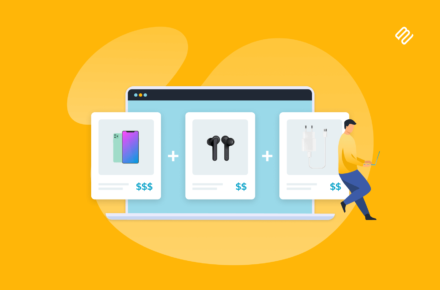



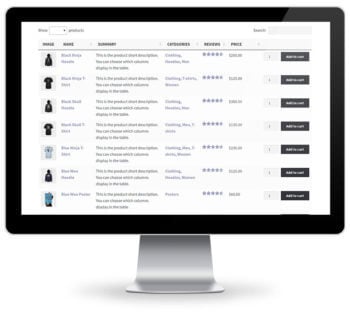

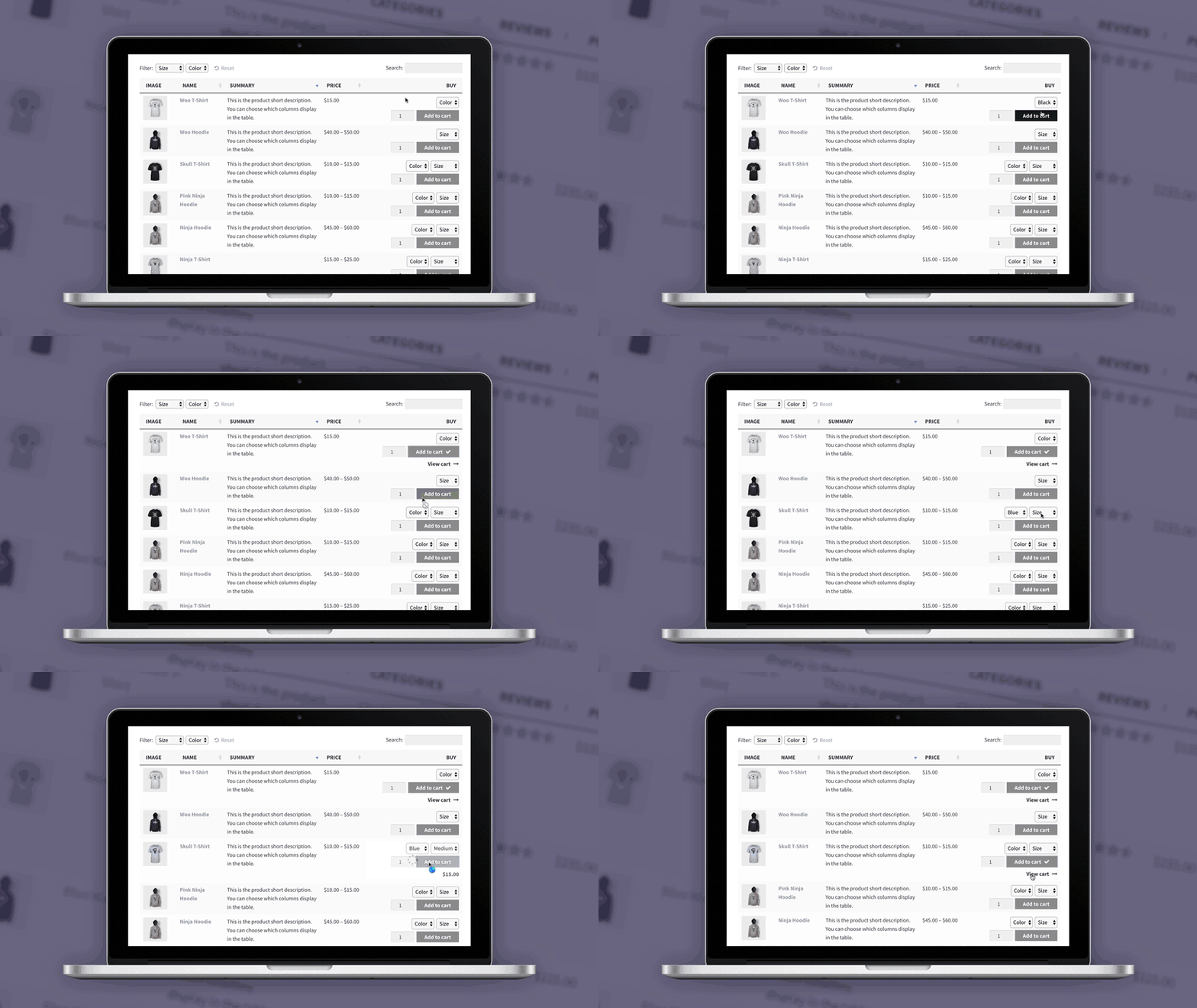


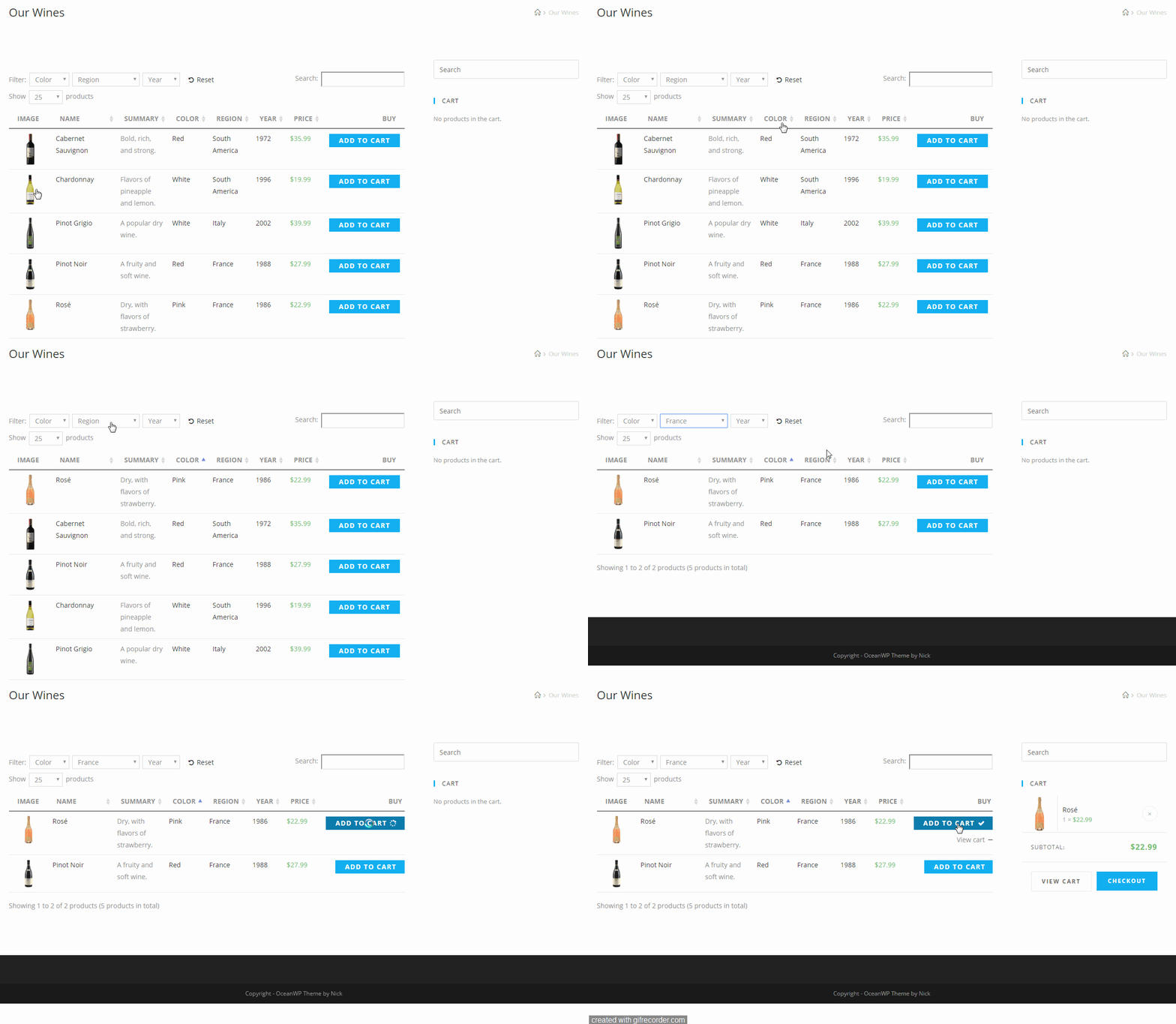
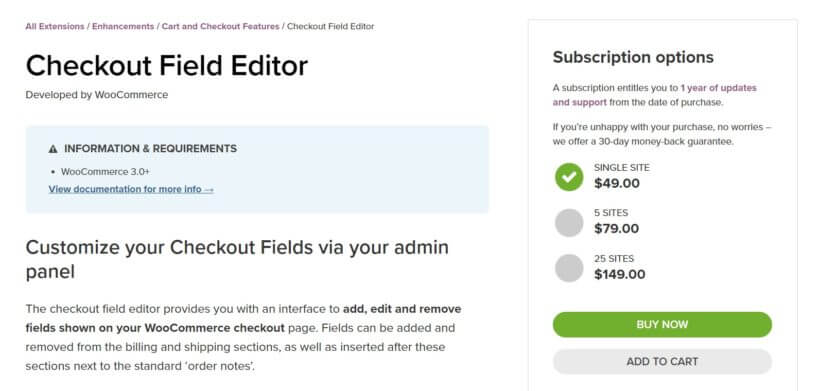
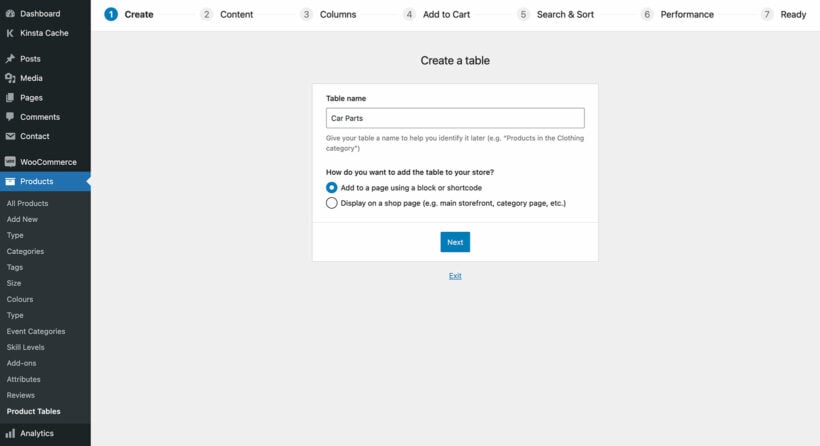
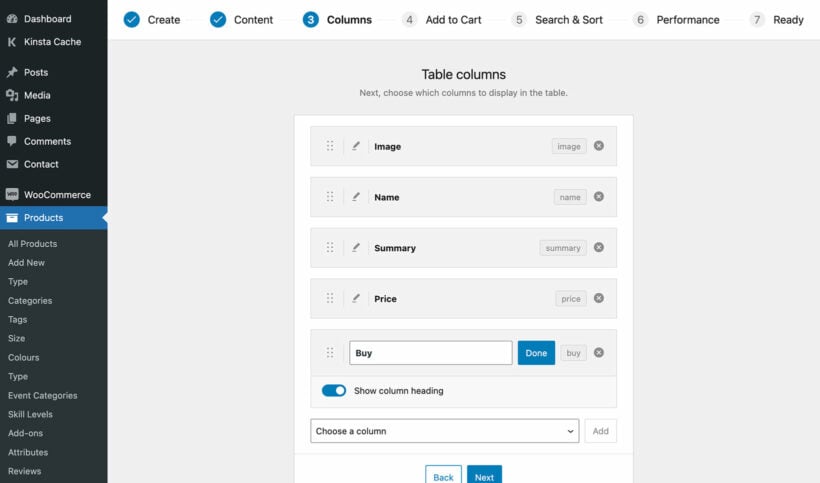
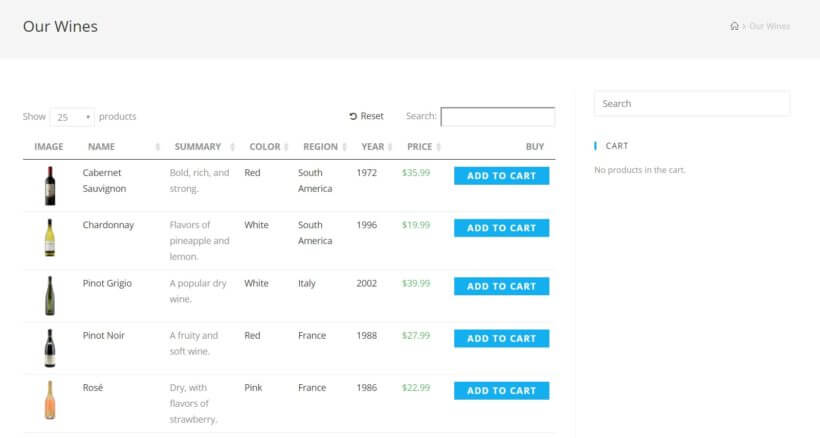
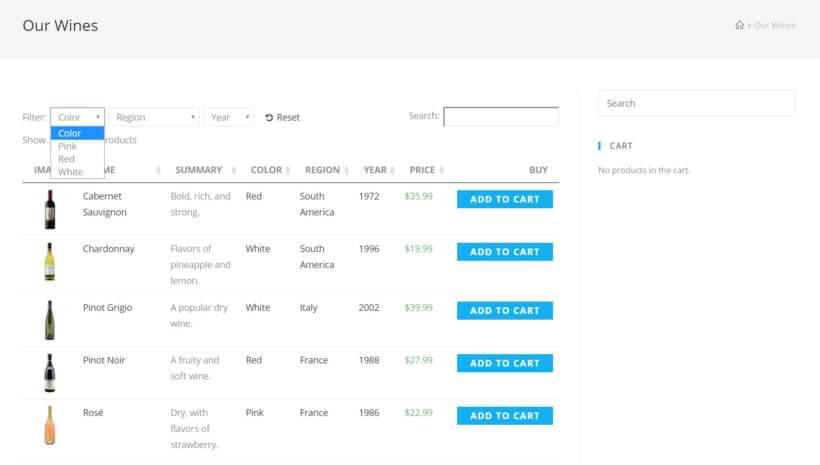
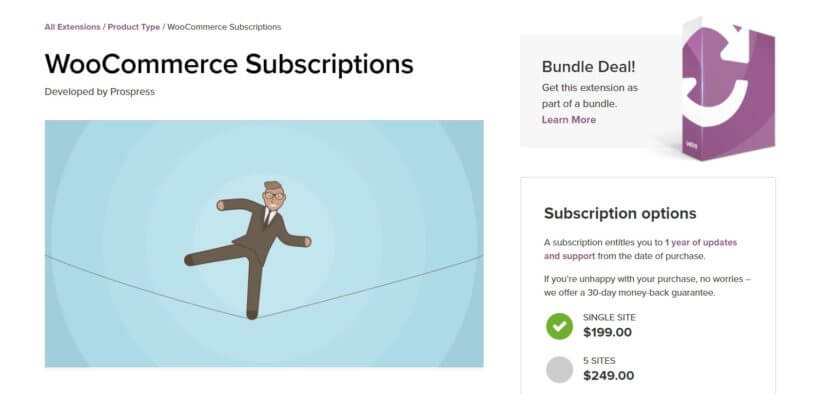
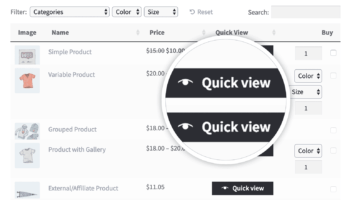
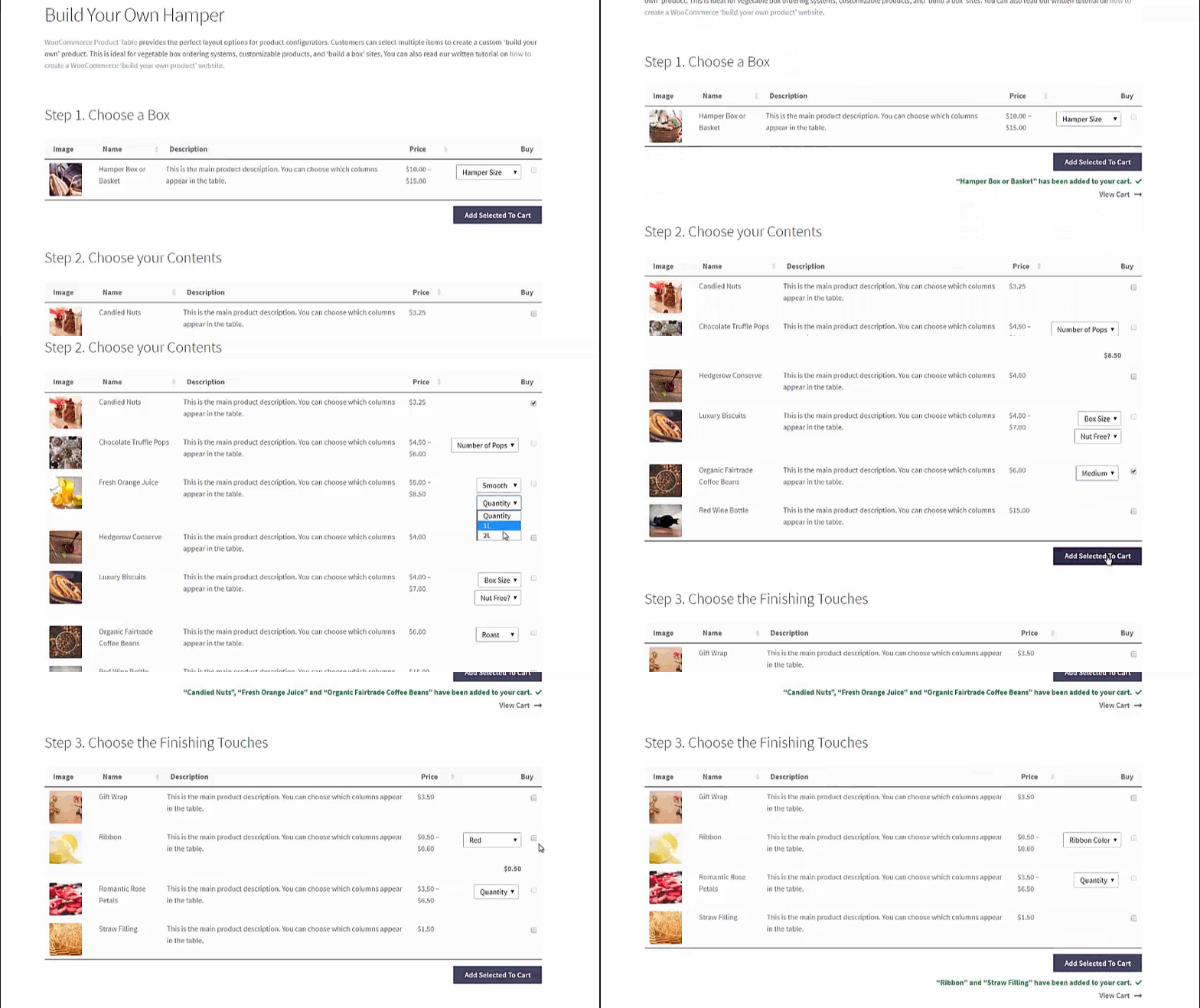

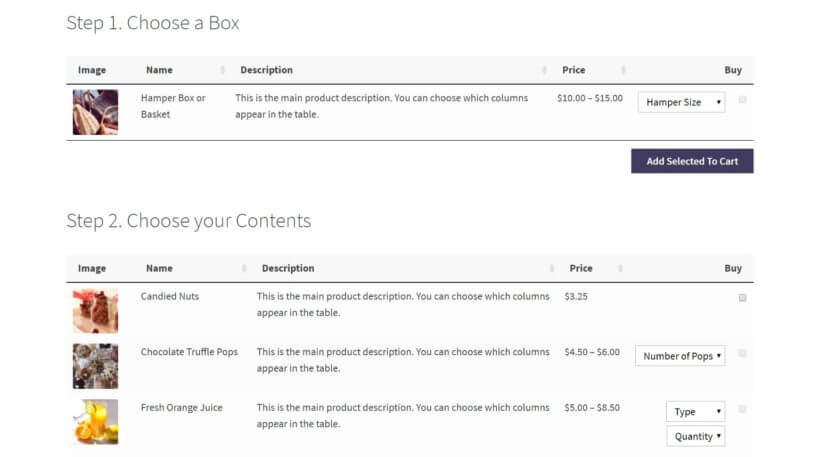
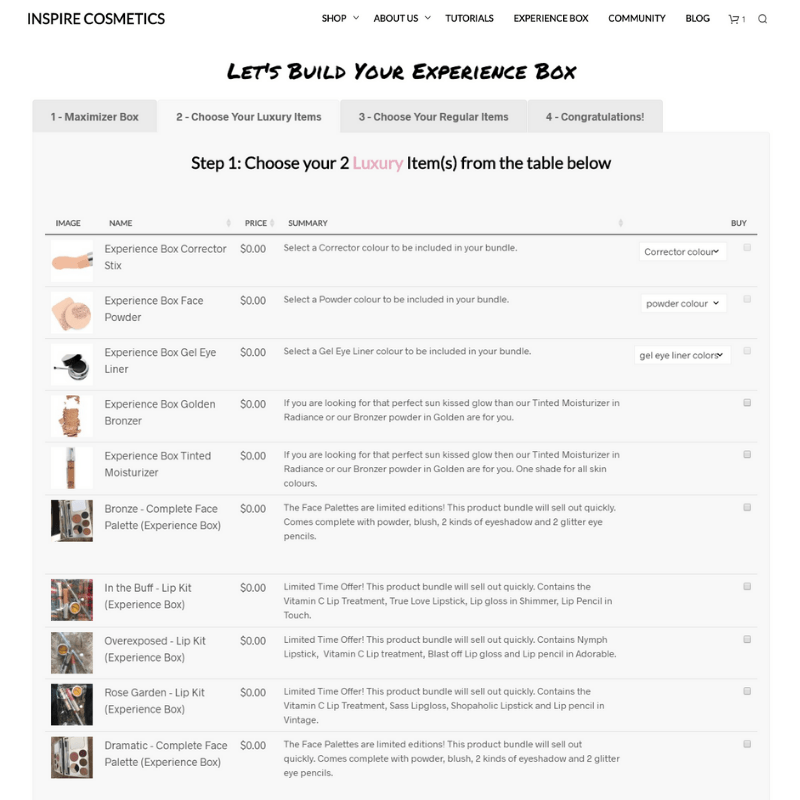
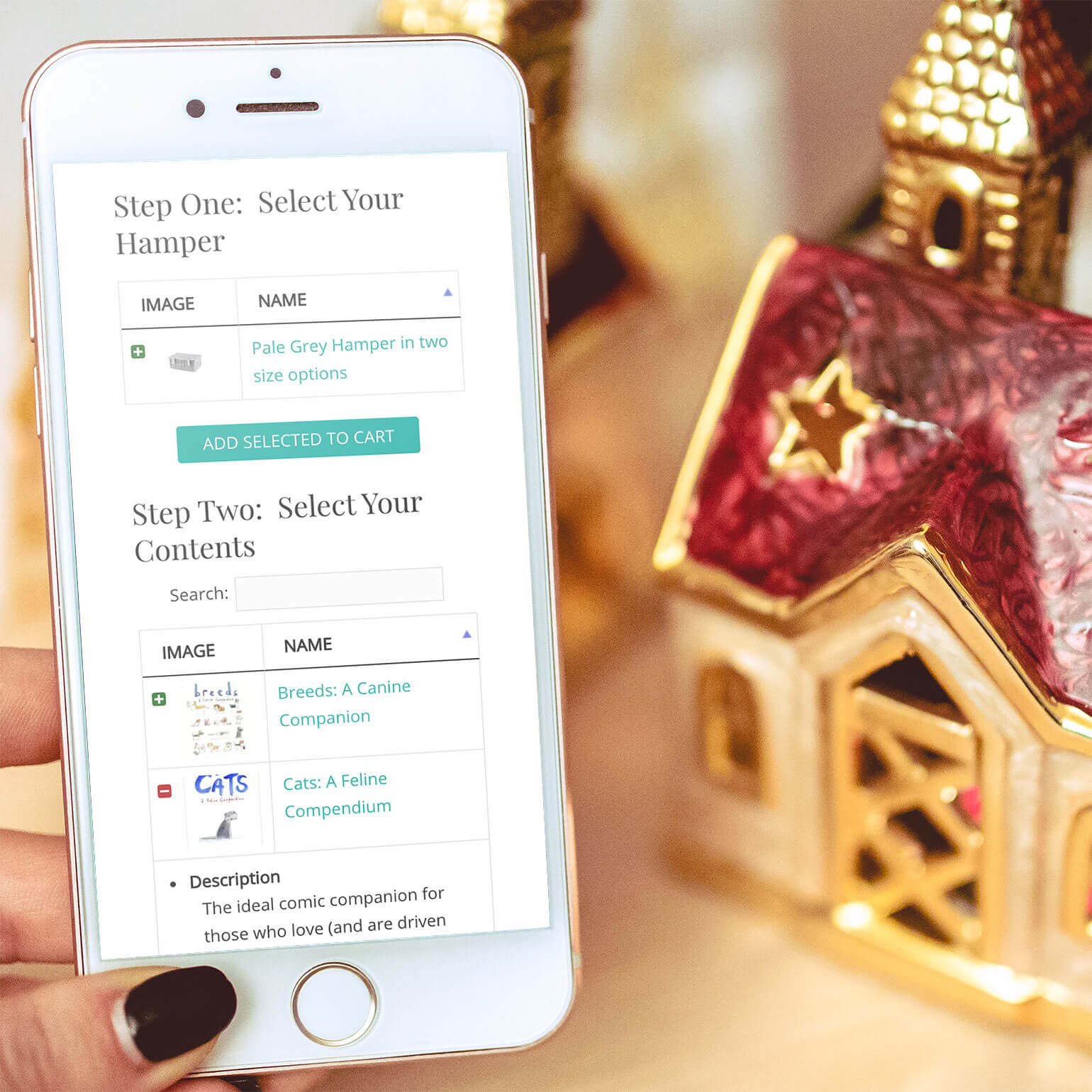
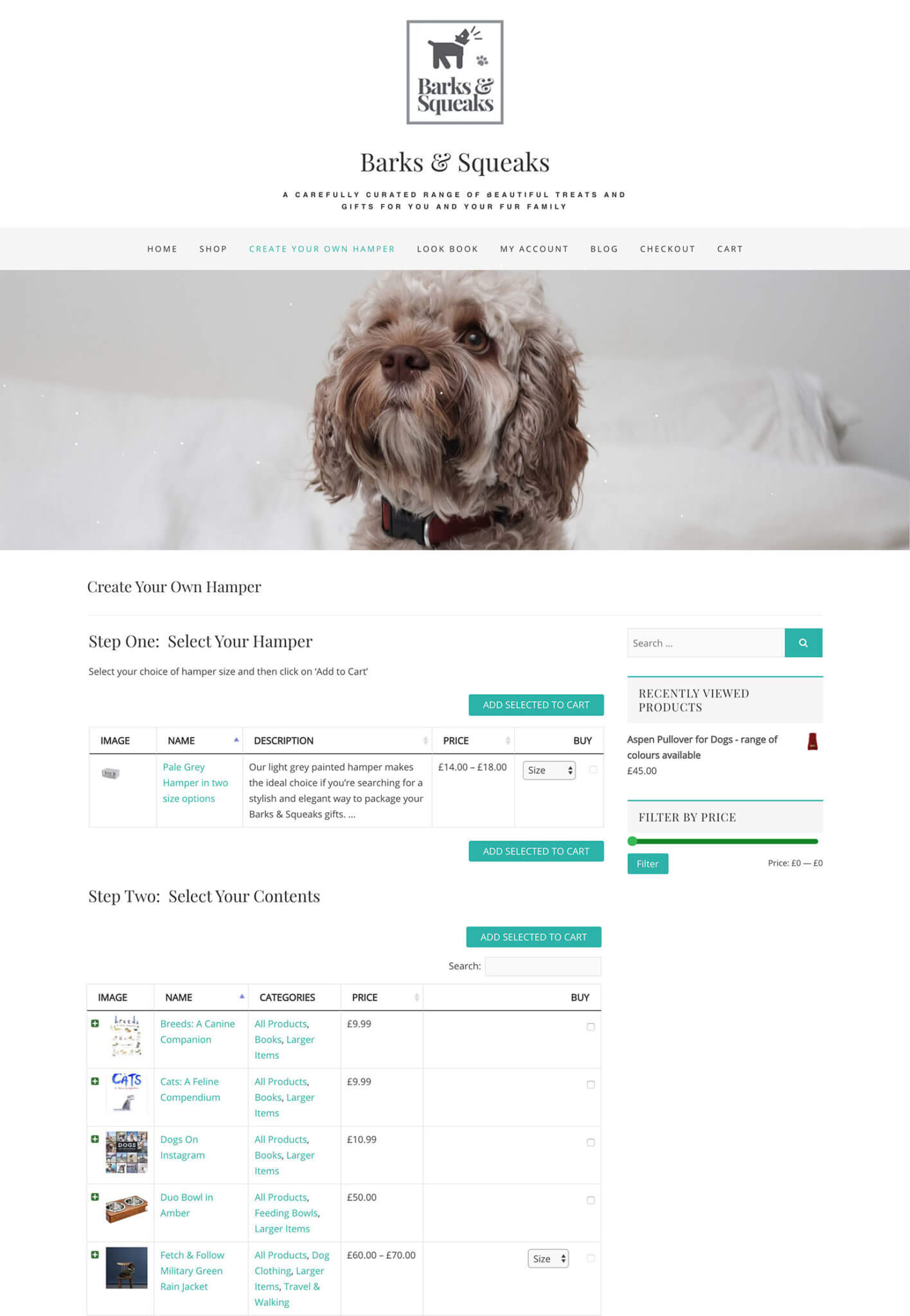
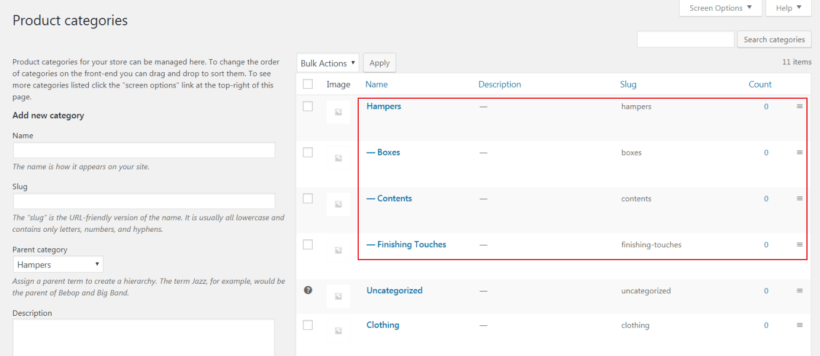
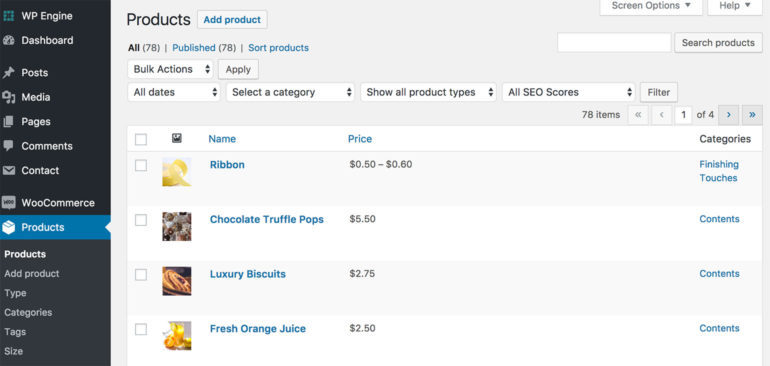
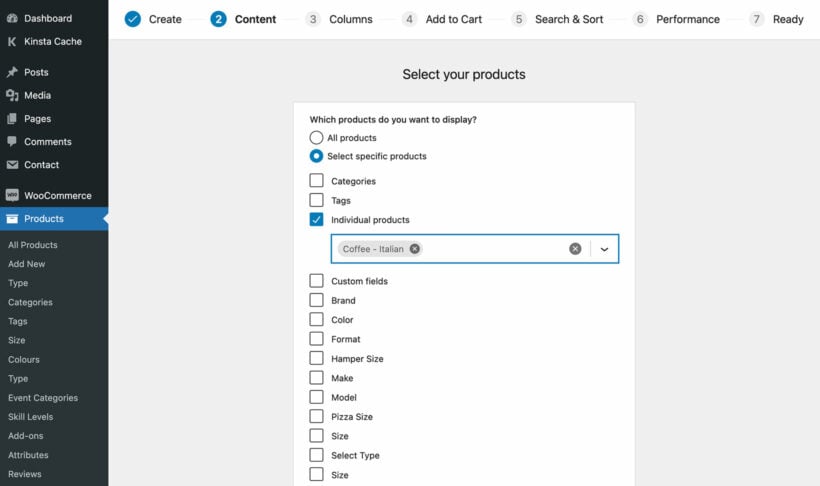
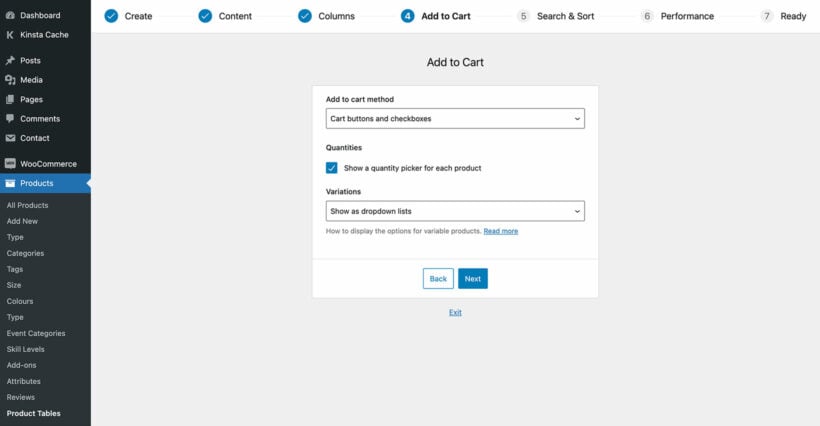
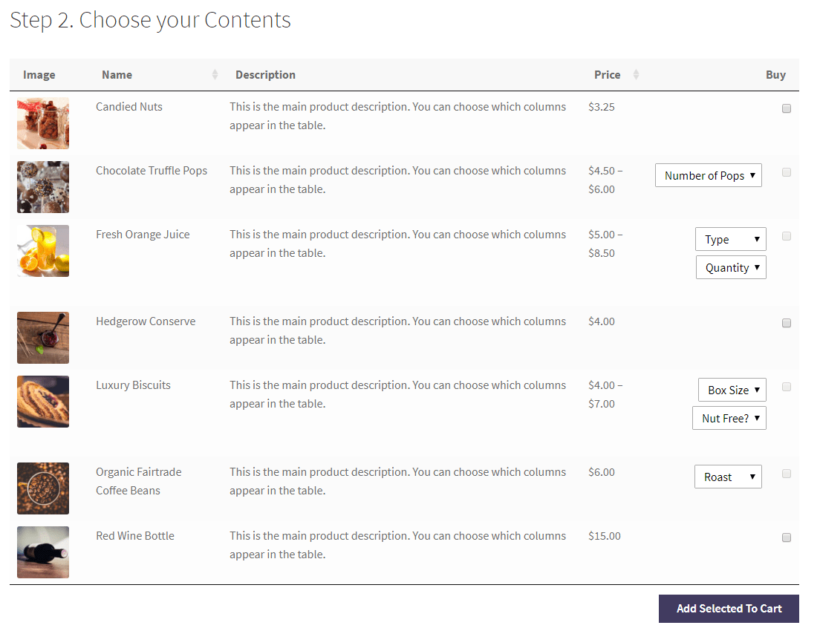
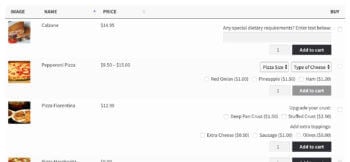
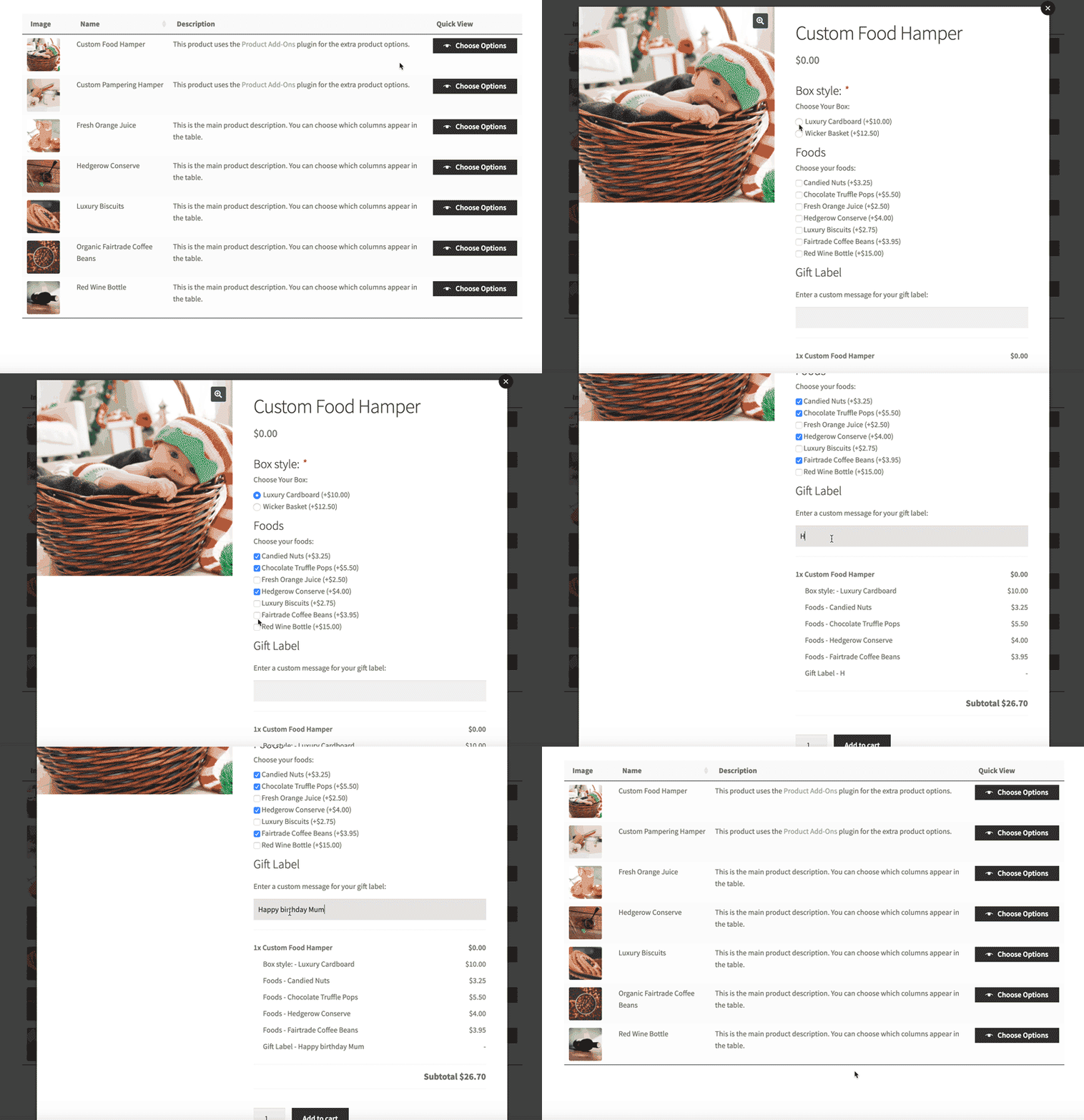

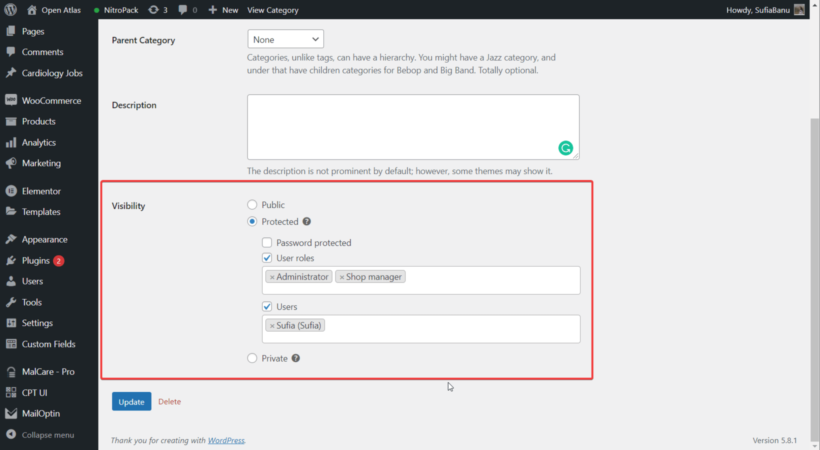
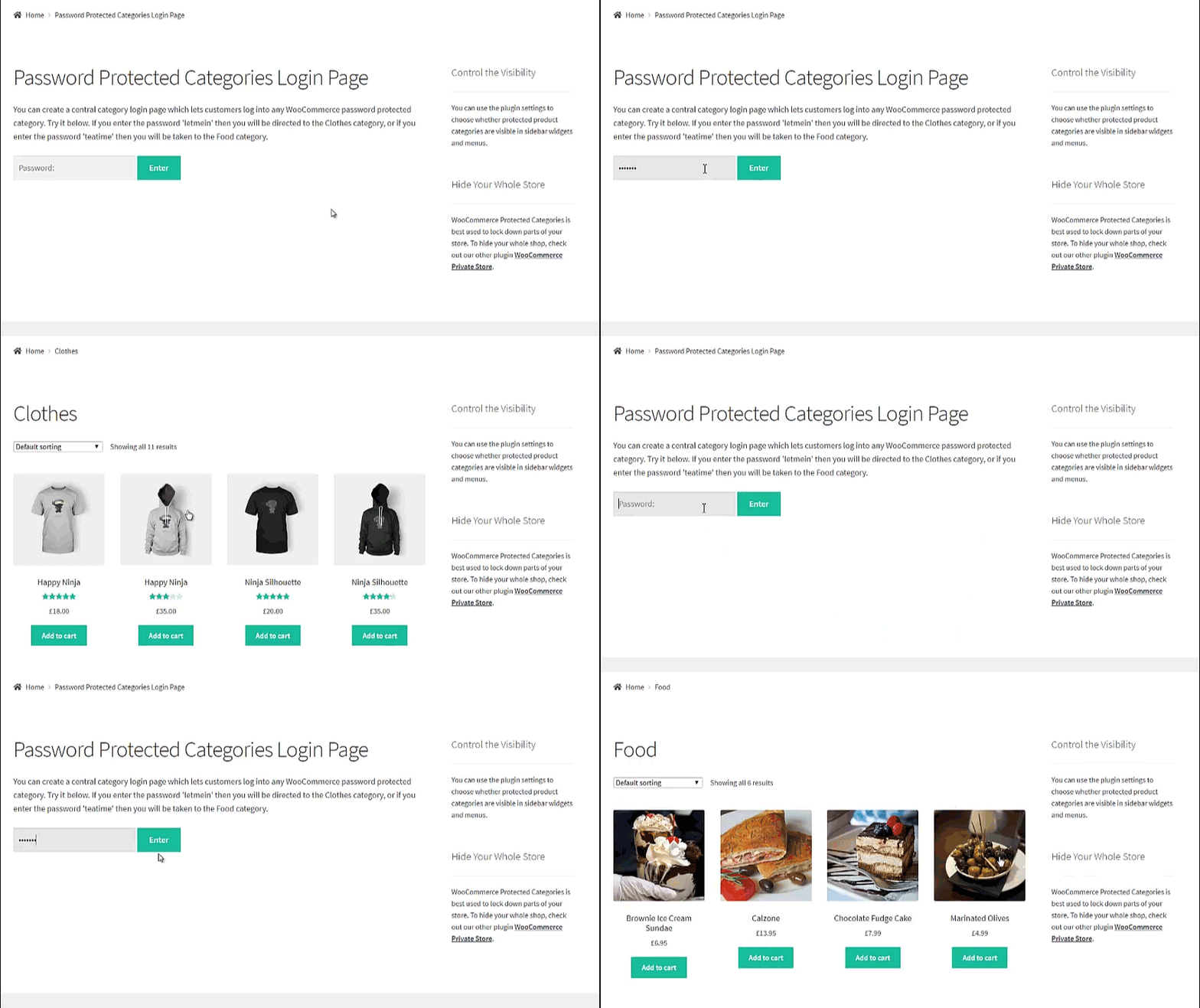
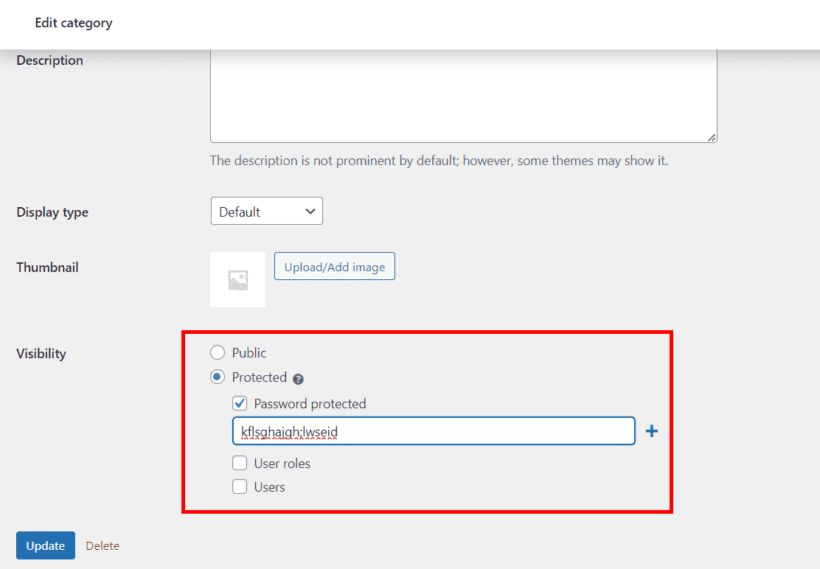
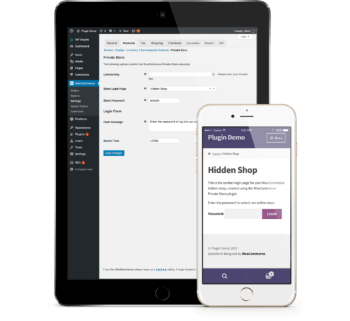

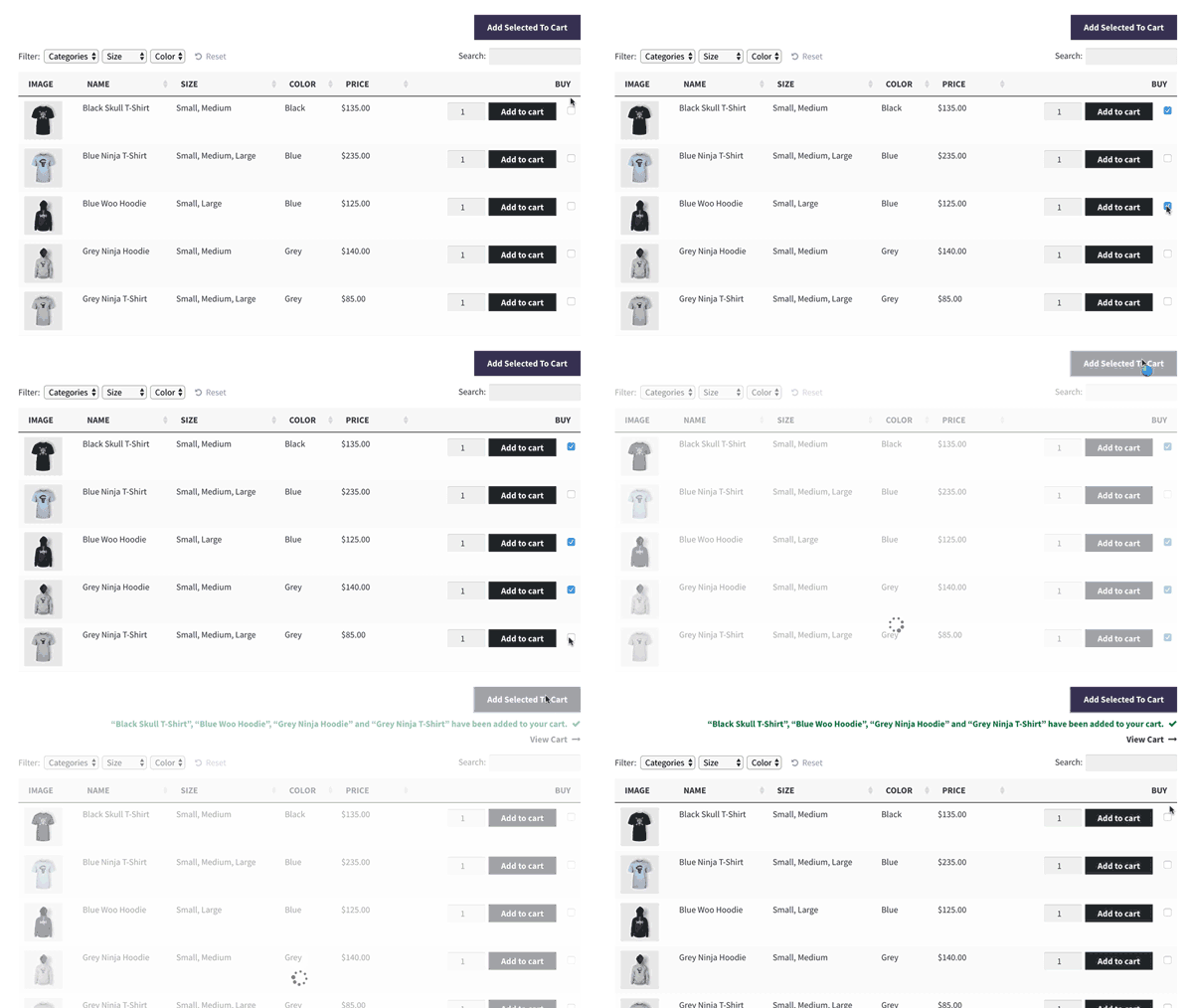
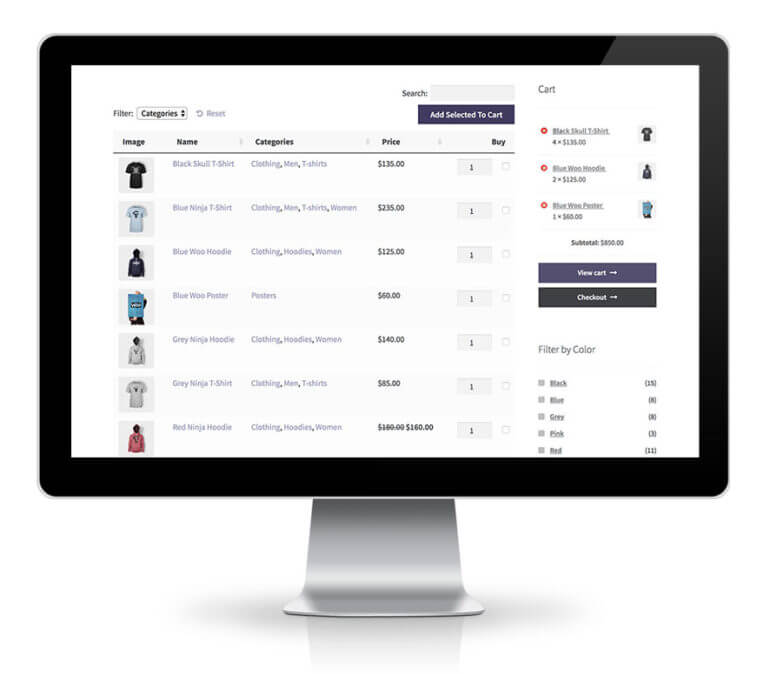
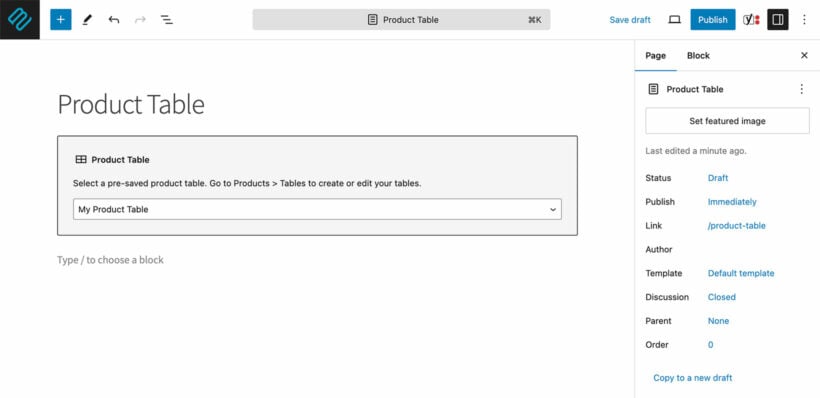
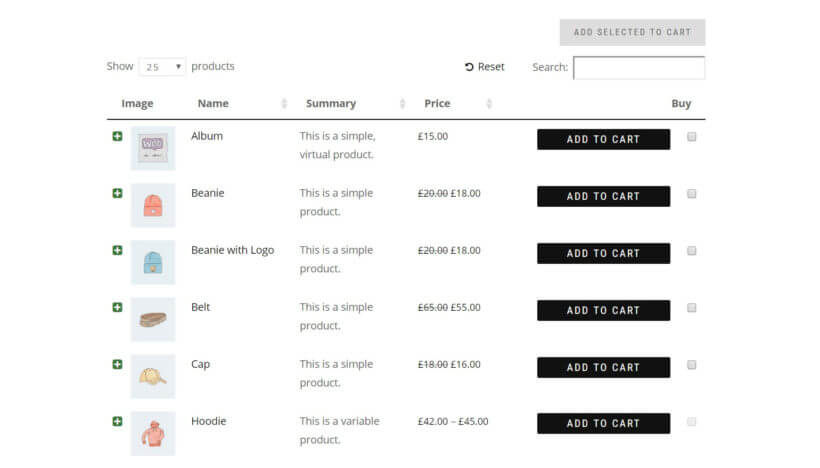
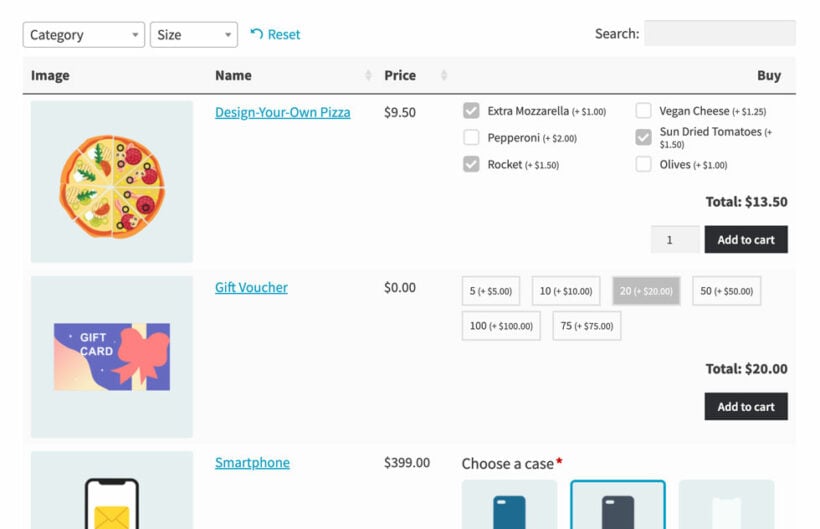
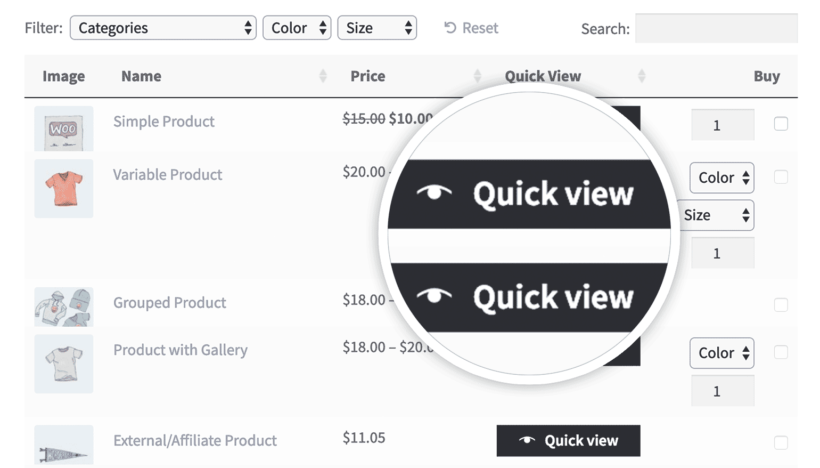
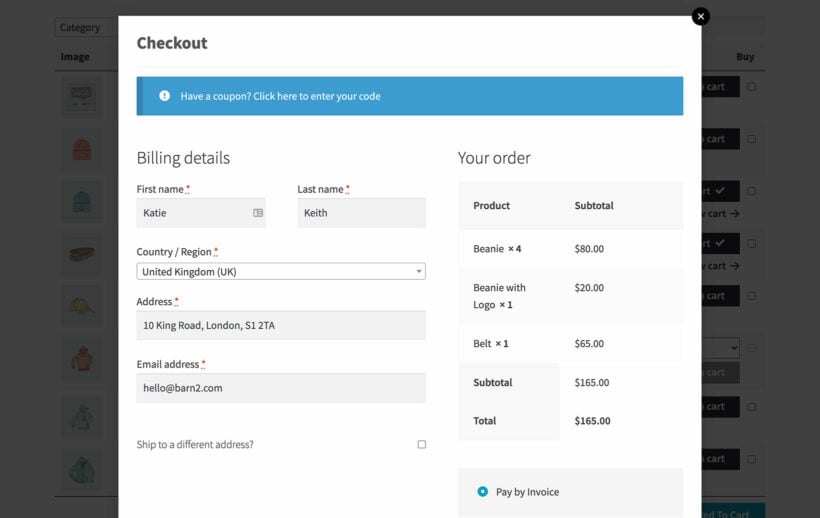
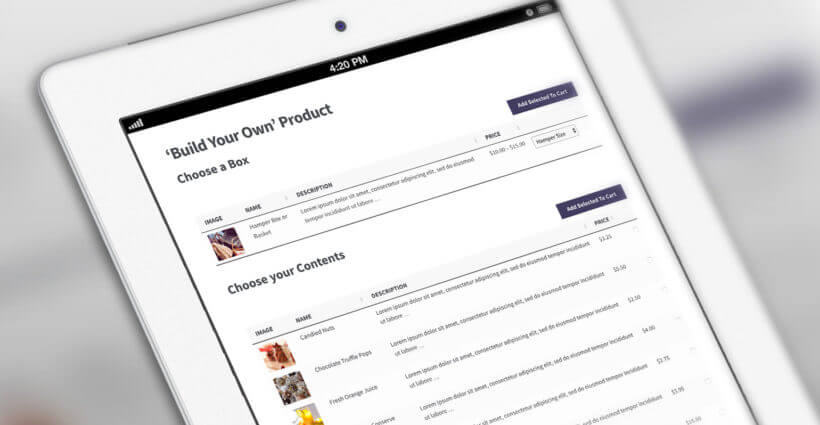

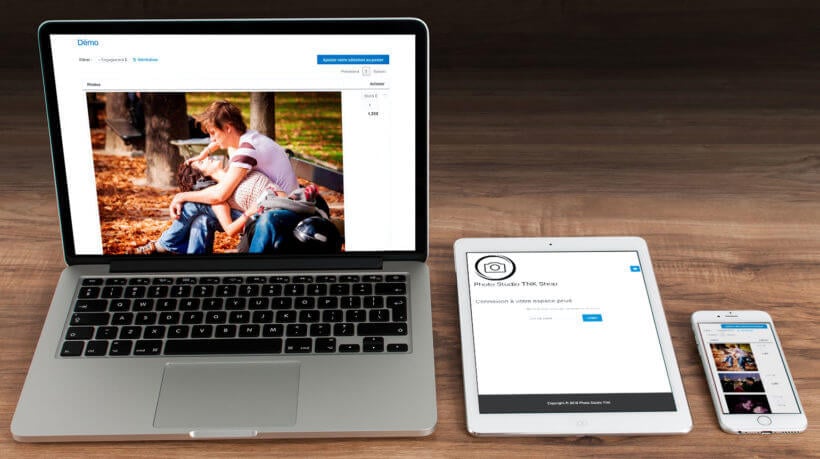



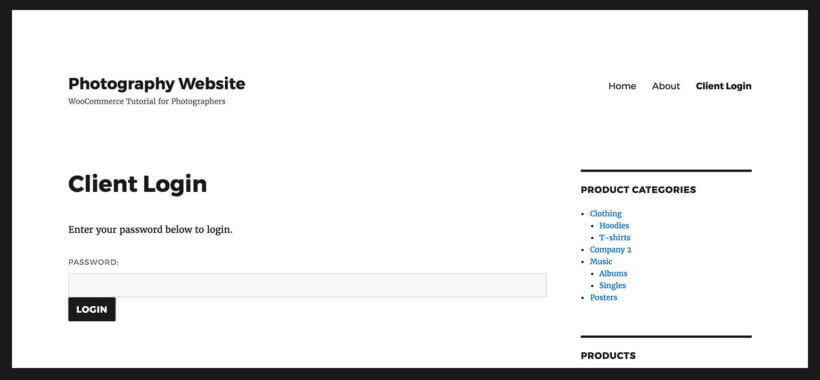
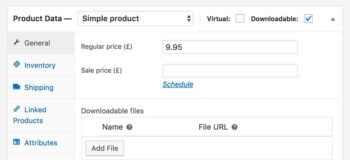
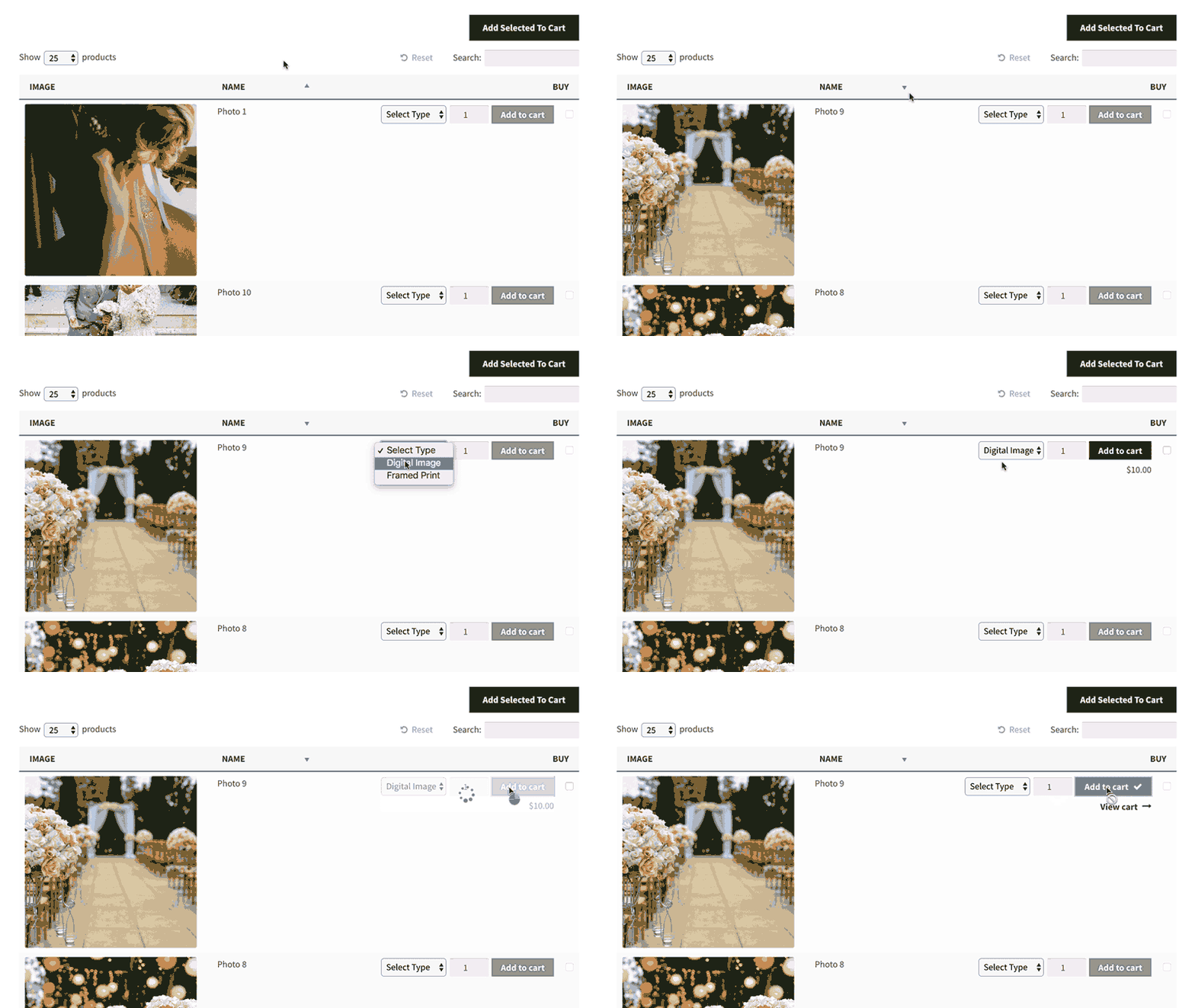
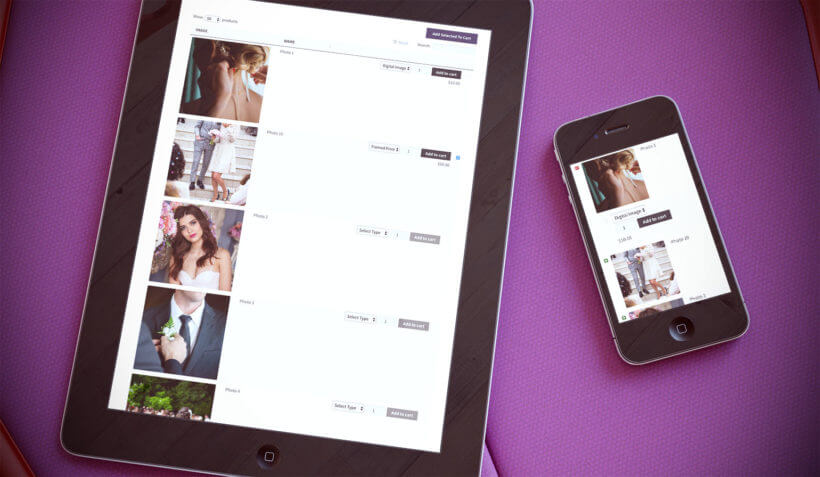
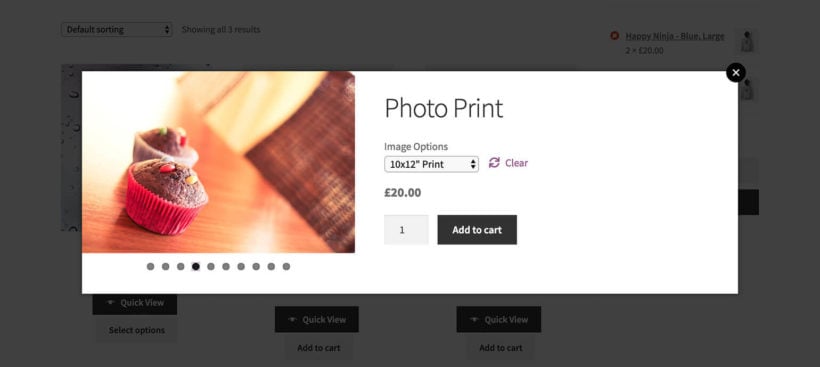

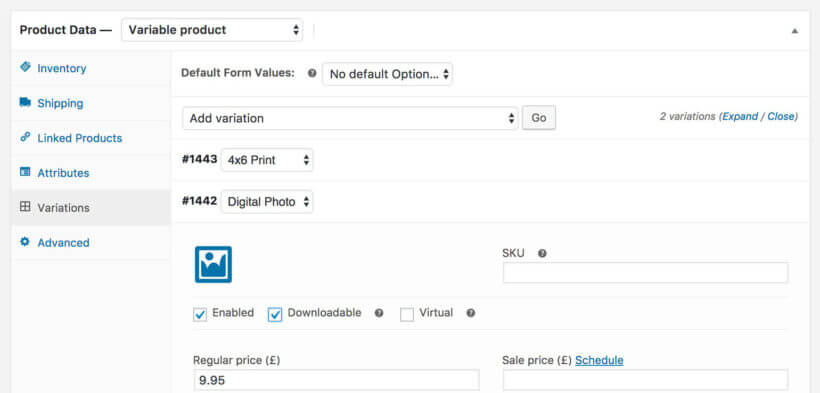
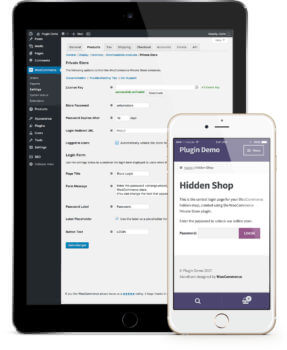 In this article, we'll guide you through the process of hiding your WooCommerce shop from guests with the easy-to-use