Corporate sponsorships for nonprofits: how to find and keep them


Corporate sponsorships for nonprofits can fund a whole program and put your cause in front of a much bigger audience. The right partner can back your mission for years, not just one campaign.
Plenty of nonprofits never ask for corporate support. It can feel like something only big national charities do, or like a door you need an inside contact to open. Neither is true. A clear, well-researched approach wins sponsors for organizations of any size.
Winning that kind of support takes more than a single email. Below, I break the process into four stages, from finding the right sponsors through to keeping them for years. Along the way, I'll show how to keep your sponsor materials, from the prospectus to signed agreements, in one organized library with Document Library Pro.
The value of corporate sponsorship for nonprofits
A corporate sponsorship is an arrangement where a business supports your nonprofit, usually with funding, in return for visibility and association with your cause. It's a deal that should benefit both sides.
The business builds its corporate responsibility profile and reaches your supporters. Your nonprofit gets sustained backing from a major partner, plus the credibility that comes with their brand. Because you share an audience, the partnership can lift donations for you and sales for them at the same time.
Corporate sponsorships come in two main types:
- Ongoing partnership. The sponsor supports your general work over a set period.
- Event sponsorship. The sponsor backs a single campaign or occasion.
Plenty of nonprofits run both, with different partners for each. If you already fundraise through WooCommerce, a sponsor can underwrite the things your donations can't quite stretch to cover.
Find corporate sponsors that fit your mission
Not every company is a good match. The best corporate partner shares your values, so the relationship feels natural to both of your audiences. A drinks brand sponsoring a children's sports charity makes sense. A mismatch just looks like a logo for hire.

Start by drawing up a shortlist of businesses you'd be proud to be associated with. Then look closely at each one:
- Corporate social responsibility. Check company websites and social channels for philanthropy or community programs. A published CSR report tells you what causes they already back.
- Capacity. Look for companies that aren't already stretched across dozens of charities. The best partners give time and attention, not just money.
- Connections. Use your board, staff and volunteer networks for warm introductions. A personal link beats a cold pitch every time.
Once you have a shortlist, dig deeper into each company's culture and past giving. Look for a genuine overlap between their priorities and your mission. That overlap is what you'll build the whole pitch around.
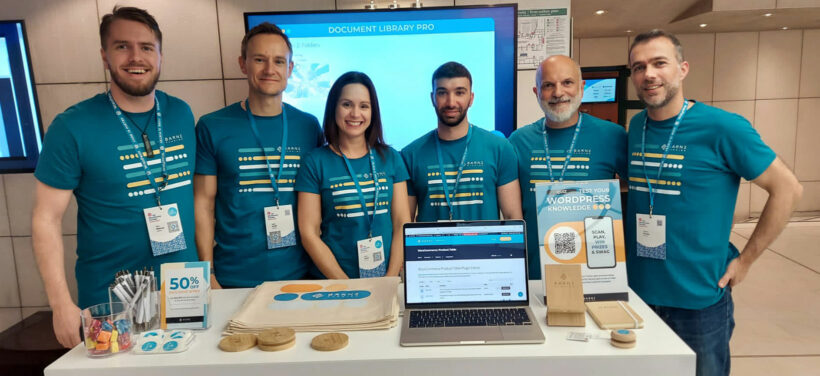
It also helps to think like the sponsor. We sponsor WordCamps ourselves, and you can read our WordCamp Europe sponsorship story for a sense of what a business hopes to get back from supporting a community.
Pitch your corporate sponsorship
Pitching a sponsor isn't so different from any other fundraising ask. Lead with a story that connects, then show clearly what the partner gets in return.
Build your pitch around a few things:
- A clear goal. Name the project or program the money will fund, and explain why this sponsor fits it.
- Mutual benefit. Show the sponsor what they get, from brand visibility to good publicity and staff engagement.
- Tiered options. Offer two or three sponsorship levels so companies of any size can say yes.
- A follow-up plan. A corporate ask rarely closes in one meeting, so plan several friendly touchpoints.
Most of this lands in a sponsorship prospectus. That's a short document, often a PDF, that introduces your cause, lays out the tiers and shows the impact a sponsor's money will have. Send a polished prospectus with a clear nonprofit brand identity and you look like an organization worth backing.
Keep your sponsor materials in one place
Once you're running a sponsorship program, the documents pile up fast. You have a prospectus, tier breakdowns, brand guidelines, agreement templates and impact reports, often in different versions for different partners. Email attachments get lost, and old versions keep circulating.
A document library fixes this. Document Library Pro lets you put every sponsor-facing file on your site in a searchable, sortable list, so prospects and partners always find the current version. You control exactly which documents appear and how they're grouped.
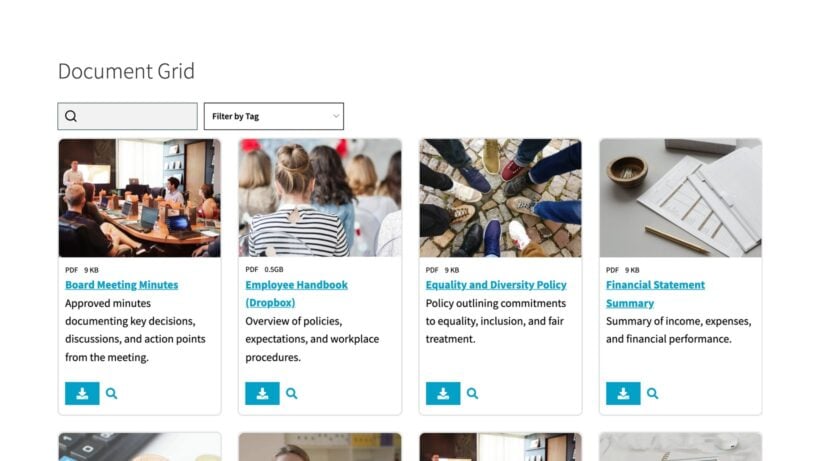
You can keep your public prospectus open for anyone to download, which doubles as a nonprofit resource library. Then lock the sensitive material, like signed agreements and brand assets, behind a login so only confirmed sponsors see it.
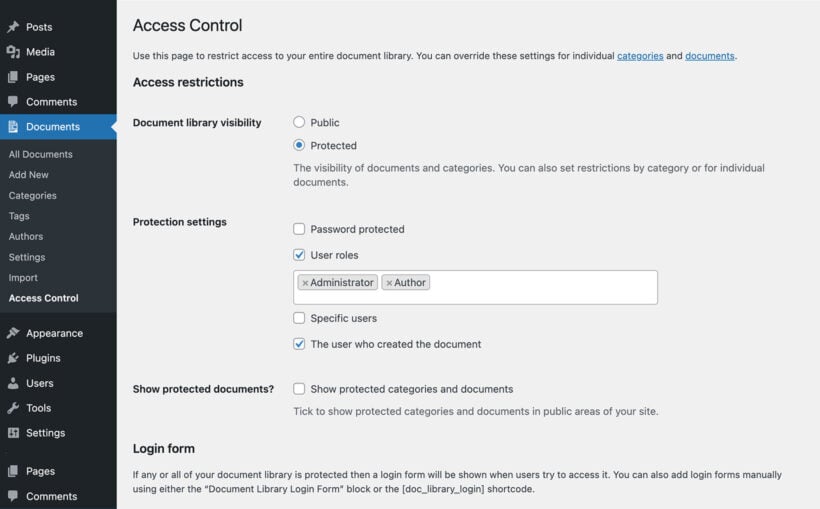
This gives every confirmed sponsor a tidy private hub for the files they need, instead of a thread of file-sharing emails. It's the same idea as gated content, applied to your sponsor relationships. Worth knowing: Barn2 plugins come with a 15% nonprofit discount.
Negotiate and sign the agreement
Beyond a small one-off gift, most sponsorships need a written agreement. It protects both sides and sets clear expectations. Always have your legal team or adviser review it before anyone signs.
A solid sponsorship agreement covers:
- The parties and scope. Name both organizations and the programs or events the sponsorship supports.
- The money. Spell out how much they pay, on what schedule, plus any in-kind support.
- The benefits. List what they receive, such as logo placement, event tickets or social posts.
- Brand usage. Agree how each side may use the other's logo and name, and where.
- Dates and exit. Set start and end dates, and explain how either side can end it early.
There can be a tax angle too. In the United States, the difference between a tax-free gift and taxable advertising income comes down to what you give the sponsor in return. The IRS guidance on qualified sponsorship payments is worth reading before you promise anything that looks like advertising.
Keep corporate sponsors for the long term
A one-year sponsorship is useful. A partner who renews for five years is transformational. The work that earns that renewal happens after the agreement is signed.

Report on the things your sponsor cares about, not just the things you care about. Show them the impact their money had, in plain numbers and real stories. Stick to every promise in the agreement, and keep in regular contact rather than only reaching out when the renewal is due.
Recognition matters as much as reporting. Thank sponsors publicly through your newsletter, events and social channels, and fold them into your nonprofit social media plan. Offer their staff a way to get involved too, through volunteering or event days, since engaged employees become your best advocates.
Review each partnership now and then. If a sponsor's priorities drift away from your mission, have a frank conversation rather than letting things go stale.
Frequently asked questions about corporate sponsorships for nonprofits
What is a corporate sponsorship for a nonprofit?
It's an arrangement where a business supports a nonprofit, usually with funding or in-kind help, in return for visibility and association with the cause. Both sides benefit: the nonprofit gets sustained support, and the business builds its reputation.
How do nonprofits find corporate sponsors?
Start with a shortlist of companies whose values match your mission. Research their corporate social responsibility programs, look for businesses that aren't already stretched thin, and use your board and volunteer networks for warm introductions.
What should a nonprofit sponsorship proposal include?
A clear funding goal, the mutual benefits for the sponsor, two or three sponsorship tiers, and the impact their support will have. Most nonprofits put this in a short sponsorship prospectus they can send to prospects.
Are corporate sponsorships taxable for nonprofits?
It depends on what you give the sponsor in return. A simple acknowledgement is usually a tax-free qualified sponsorship payment, while anything that looks like advertising can be taxable. Check current IRS guidance and your own adviser before you agree.
Build sponsorships that last
Corporate sponsorships reward patience. The research, the tailored pitch and the steady follow-up all take time, but one good partner can support your mission for years.
Get the foundations right. Find companies that share your values, pitch a clear mutual benefit, and look after the relationship once it starts. Keep every sponsor document in one place with Document Library Pro, so your prospectus, agreements and reports are always ready when a partner asks.