How Shopify supports both B2B and B2C models

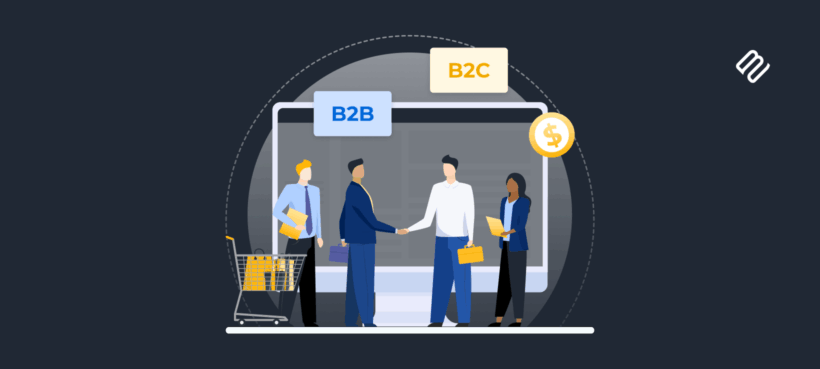
Is Shopify B2B or B2C? The short answer: it handles both from a single platform, though your setup options range from strategic app combinations to full enterprise solutions.
If you're asking whether Shopify supports B2B or B2C, you're probably at a crossroads. Maybe your retail store is thriving and wholesale customers have started asking about bulk pricing. Or perhaps you're launching fresh and want to serve both audiences from day one. Either way, you need clarity before committing time and money to the wrong setup. Here's what I find interesting about this question: most merchants assume they need to choose one model or the other.
That's simply not true anymore. Today's B2B buyers expect the same smooth experience they get as consumers. And many successful B2C brands discover that their best customers want to buy in bulk. The real question isn't whether Shopify can do both (it absolutely can). What matters is which setup makes financial and operational sense for your specific situation.
In this guide, I'll walk you through three main approaches: using your existing store with strategic apps, upgrading to Shopify Plus for enterprise features, and running separate stores for distinct operations. By the end, you'll know exactly how to add B2B capabilities without breaking your existing retail operations or your budget.
How Shopify handles B2B and B2C from one platform
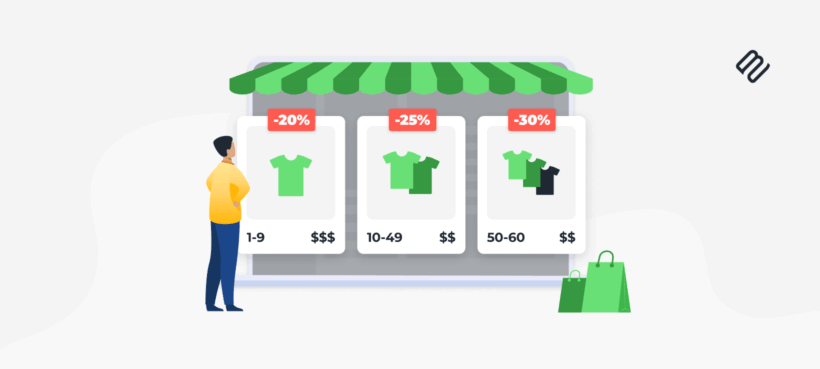
B2C (Business-to-Consumer) means selling products directly to individual end users for personal use. B2B (Business-to-Business) means selling products to other businesses rather than individual consumers. The fundamental difference comes down to scale: B2B focuses on bulk orders while B2C targets individual purchases. But scale isn't the only difference. B2C purchases tend to be emotional and impulse-driven.
A customer sees a product they like, adds it to cart, and checks out in minutes. B2B transactions involve multiple stakeholders, ROI calculations, and approval chains. The decision cycle stretches from days to weeks. Shopify's core architecture treats B2B and B2C as permission layers on the same catalog, not separate systems. Your products, inventory, and order management stay unified regardless of who's buying. Think of it as a unified commerce engine where B2B and B2C are configuration layers rather than separate platforms. Here's how the two models differ on Shopify:
- Order values - B2C averages the price of a few products, while B2B buyers order in bulk with higher cart totals.
- Checkout experience - B2C gets streamlined one-page checkout while B2B needs company fields and purchase orders.
- Payment processing - B2C uses instant Shopify Payments while B2B often requires Net 30/60 terms (available natively only on Plus).
- Customer accounts - B2C uses individual accounts while B2B needs company profiles with multiple users.
The unified admin panel means you manage both audiences from one dashboard. Retail customers see lifestyle photos and standard pricing. Logged-in wholesale buyers see bulk pricing tables and trade terms. This eliminates the headache of managing duplicate inventories or reconciling sales data across multiple systems.
Three ways to set up B2B on Shopify
Now that you understand how Shopify handles both audiences from one platform, here's how to actually set it up. I'll cover three methods, starting with the most cost-effective approach that works for the majority of stores.
Method 1: Basic Shopify with strategic apps (recommended)
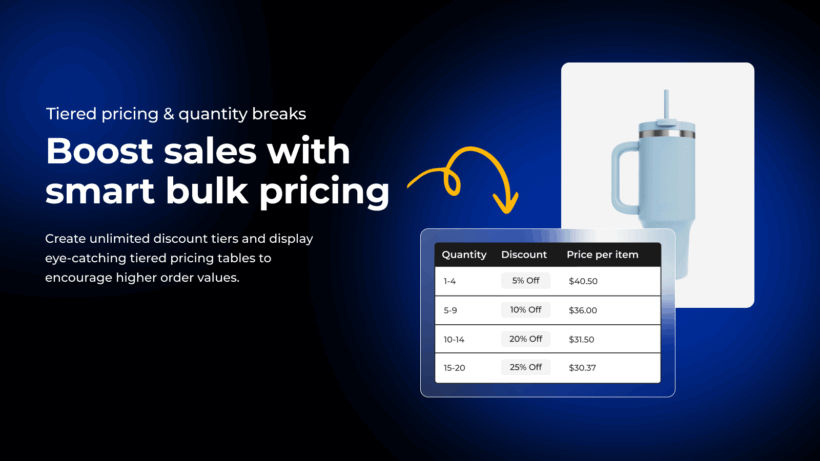
You can replicate the most important B2B features on a standard Shopify plan by using a strategic stack of apps. This approach gives you powerful capabilities at a fraction of Plus pricing. Total cost: Your current plan ($39-$399/month) plus around $50-100 monthly in strategic app subscriptions. This handles the majority of B2B needs: volume discounts, customer-specific pricing, minimum order quantities, and basic wholesale features.
It's perfect for retailers adding wholesale, businesses testing B2B demand, and anyone not ready for Plus pricing. The big advantage is that you keep everything simple with one admin, unified inventory, and a single source of truth for all sales data. For a deeper look at setup steps, check out our guide on how to set up wholesale on Shopify.
Volume discount and pricing apps
B2B buyers expect automatic bulk discounts without entering coupon codes. That's a non-negotiable expectation in wholesale. If a buyer has to hunt for discount codes or email you for pricing, they'll simply go elsewhere.
Barn2 Bundles & Bulk Discounts (free plan available, paid plans from $12.99/month) displays tiered pricing right on product pages. Wholesale buyers instantly see their savings at different quantity thresholds. Without needing guesswork, nor back-and-forth emails.
- Shows tiered pricing directly on product pages so wholesale buyers know they'll save 20% at 50 units.
- Set up quantity price breaks in minutes with no more manual quote calculations.
- Mix-and-match bundles let wholesale buyers combine variants. They can order 25 blue and 25 red shirts to hit the 50-unit discount threshold.
- Built on Shopify Functions, it works with your existing discounts without hitting stacking limits that break checkout.
- Customizable design options let you match your store's branding perfectly.
For more details on setting up quantity discounts on Shopify, check out our complete guide.
Customer segmentation apps
You need a way to identify wholesale customers and apply appropriate pricing automatically. Customer Fields (starts at $4.99/month) adds customizable B2B registration forms to your store. It automatically tags wholesale accounts upon approval for instant access to B2B pricing. The app also captures tax ID numbers, business licenses, and resale certificates during signup.
Wholesale lock apps
Protecting your B2B pricing from retail visitors maintains a professional appearance. Locksmith (starting at $12/month) hides prices or entire catalogs from non-wholesale visitors. It shows "Login for pricing" messages that wholesale buyers expect to see and creates password-protected pages for exclusive B2B product lines.
Wholesale catalog apps
For merchants needing more than basic features, a complete B2B portal provides the full experience. SparkLayer (starts at $49/month) offers quote requests, quick reorder, and saved shopping lists. It includes net terms, purchase orders, and company account management. This option works best for established B2B operations ready to invest in premium features.
Payment terms and minimum order apps
Offering delayed payment options and enforcing bulk order minimums are standard B2B expectations. Invoice Falcon (free up to 50 invoices/month, paid plans from $9.99/month) creates professional invoices with payment terms. Note that manual follow-up is still needed for collections. True automated net terms remain a Plus advantage, so apps provide workarounds but not full automation. MinMaxify (starts at $10/month) enforces wholesale minimums per product or cart total, preventing undersized B2B orders.
Choose the right Shopify setup for your business today
Whether you choose apps, Plus, or separate stores, your inventory and customer data stay unified on Shopify. Your ideal configuration depends on where you are today and where you're heading tomorrow. The question "is Shopify B2B or B2C" misses the point. It's both, and you can configure it for your specific needs.
The beauty of Shopify's unified platform is that you're never locked in. Start with your current plan plus strategic apps. Test the B2B waters without a massive investment. Upgrade to Plus only when volume and complexity justify the investment. Many successful wholesale operations run on standard Shopify plans for years before considering an upgrade.
Most stores don't need Shopify Plus to run both B2B and B2C successfully. The right combination of apps can handle wholesale pricing, customer segmentation, and order minimums at a fraction of the cost.
Katie KeithFounder & CEO
Ready to add B2B capabilities to your Shopify store? Start with Bundles & Bulk Discounts from $12.99/month and show wholesale buyers exactly what they'll save on bulk orders.