2025 year in review & transparency report

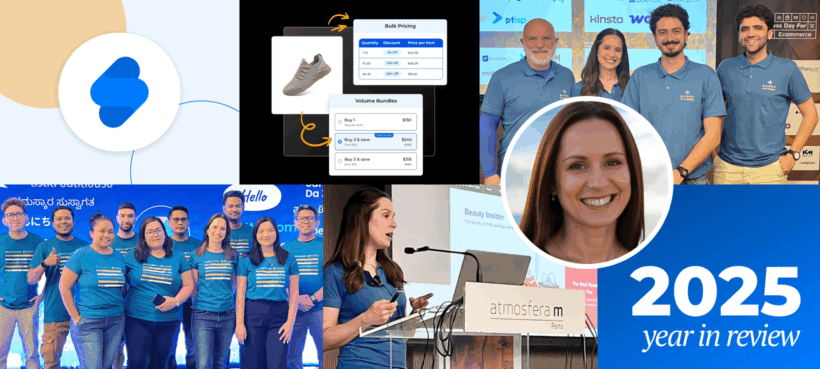
2025 was a year of contrast at Barn2: major product progress, our first Shopify app launch, and a meaningful drop in new WordPress plugin sales. This review from Barn2's Founder and CEO shares the numbers behind the business, what has changed in how customers discover plugins, and what we are doing next.
Welcome to my 7th Year in Review! You can check out my previous ones for 2019, 2020, 2021, 2022, 2023 and 2024.
This year we made major improvements to our WordPress plugins, launched our first Shopify app, and became 50/50 partners with a WooCommerce bulk editor called Setary. It was also the first year where we saw a significant drop in new sales - but we have concrete plans to turn it around, as you will see!
2025 in numbers
Barn2's total revenue in 2025 was $1,786,586. This consisted of:
- WordPress plugin sales:
- $1,710,312 total revenue from plugins (18,783 sales) - compared to $1,699,326 in 2024, a 0.65% increase
- 61% of our revenue came from annual renewals, 38% from new sales, and 2% from license upgrades. New sales were down 17.8% compared to last year
- $95.79 average order value
- 1,426 refunds – refund rate 9% (down from 11.5% in 2024, a 22% decrease)
- Additional income streams:
- $25,500 from our new development and customization services
- $19,393 from hosting and support for historical clients whose websites we built before we switched to selling plugins, down from $36,385 in 2024
- $18,552 commission received from other WordPress products that we are an affiliate for, up from $16,010 in 2024
- $4,707 from YouTube ads, up from $3,799 last year
- $894 from sponsored content on our website or YouTube channel (down from $4,883 last year, as this year we removed the Advertising page from our website)
- $291 from our new Shopify app (709 installs)
- Plus $16 from an online course I launched back in 2016 🤑
- Other stats:
- 1 new Shopify app, and 97 plugin or app updates released 👩💻
- We became partners in Setary and grew its active subscribers by 48%, MRR by 89%, and average customer lifetime value by 142% year over year.
- I spoke at 4 conferences 🎤
- 58 knowledge base articles, 93 blog posts/tutorials, 43 YouTube videos, and 12 live Q&A's 🔥
- 15,632 support conversations - a 14% decrease
- $22,849 paid to our 975 affiliates (sign up here!) 📣
- We won 2 WPWeekly awards 🏆:
- Barn2 received the bronze award for "Best WooCommerce Addons" .
- WP Product Talk won the silver award for "WordPress Podcasts".
- I got to 6,000 followers on X last week 😎
- I worked for 1,485 hours (see full breakdown)
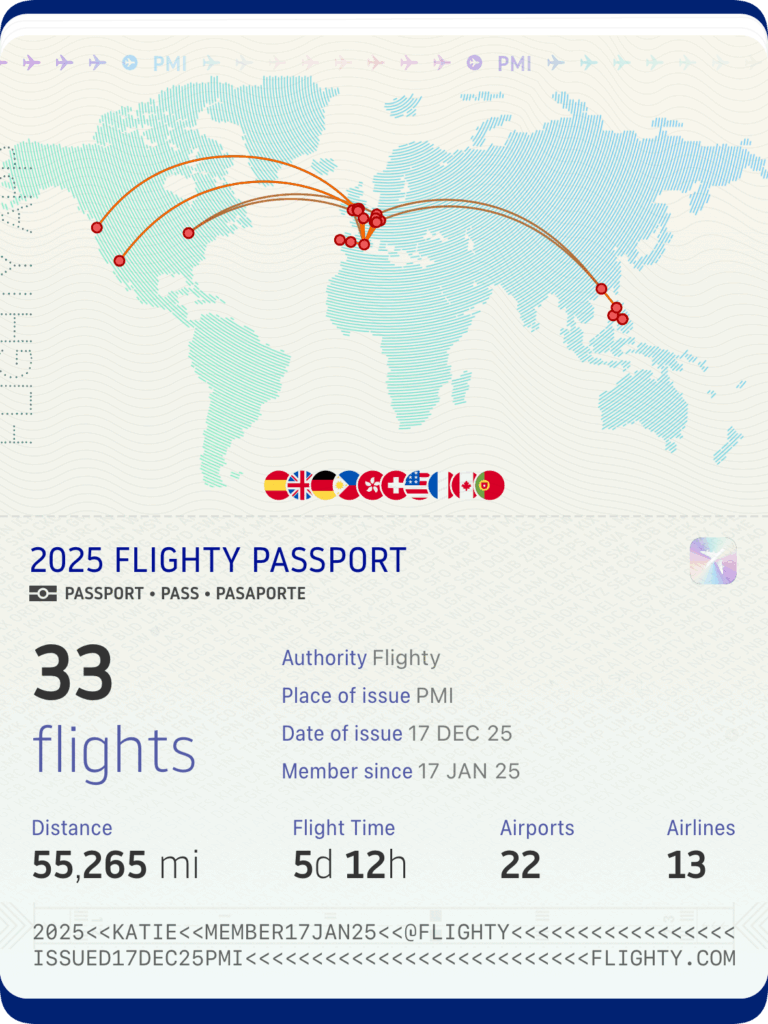
- I flew 55,265 miles and attended 8 conferences in 6 countries ✈️
- And I was on 35 podcast episodes and interviews, exactly the same as last year! 🎙️
Lifetime milestone
In 2025, our total lifetime plugin sales passed 9.7 million dollars. I'm looking forward to reaching $10M in approx. March 2026!
But what's going on with new sales? 🤨
For me, one number stands out: New sales were down 17.8% compared to last year.
That is not a result I am happy with, and it is something that I have spent a lot of time trying to understand.
One thing I have discovered is that this isn't specific to Barn2 - it's a common theme across many WordPress product companies. An X poll revealed that as an industry, we're no longer seeing the perpetual growth that we enjoyed in the past:
WordPress plugin companies - how have your new sales (excluding renewals) been in 2025 compared to 2024?
— Katie Keith (@KatieKeithBarn2) December 14, 2025
I also surveyed 33 WordPress plugin companies to learn more about the reasons behind these changes.
What caused the decline?
I think there are several factors behind this:
- Increased competitionNew products are being released all the time, so it's important to continually ensure your products are competitive. Our table plugins like WooCommerce Product Table are now 9 years old and while they were all unique when they were launched, there is now lots of competition. However, that isn't enough to explain the decrease, and only applies to some of our plugins.
- Type of productOur feature-based WooCommerce plugins that depend on people searching for "how do I do X in Woo" were hit harder than more foundational plugins. My survey of other plugin companies reinforced this pattern: plugins that are easy or partially easy to replace are far more likely to see declining new sales.
- Reliance on organic searchWhile we have many marketing channels, Google organic has always generated the largest proportion of our sales. And sadly, the past year or so has seen huge changes in the way people discover plugins.
Blame the robots 🤖
Historically, most new Barn2 customers found us by Googling a problem, reading detailed content on our site, and then buying a plugin. That journey has changed significantly with the rise of AI-driven search and Google AI overviews. We can see this in the data:
- Google Trends shows that there has been no reduction in the number of people searching for WordPress and WooCommerce-related terms. WordPress' user base and market share is also stable.
- However, Search Console shows that our impressions are relatively flat, our average ranking has improved, and yet clicks and click-through-rate have reduced by ~57%.
- Between January and October 2025, total entry-page visits to our site were down 27.8% year over year. Content-led discovery fell the most: blog entry pages dropped 39% and knowledge-base entry pages dropped 40%. In contrast, entry to plugin pages declined by just 13.9%. This shows that far fewer people are reaching Barn2 during the early research phase, which historically drove a large proportion of new sales.
This is happening because more and more people are finding answers in SERP features such as AI overviews, reducing the need to click. The survey results suggest this is affecting SEO-led plugin businesses disproportionately, rather than being a universal issue across all marketing channels. We've done a lot of work to optimize for AI, and AI tools regularly recommend our plugins. However, this hasn't made up for the drop in traffic from organic search because of the way AI works.
AI recommendations often summarize options without sending people to the original sites. Even if they mention or link to our plugins, they might also include other workarounds or custom code that eliminates the need for a plugin. While AI recommendations do generate sales, conversions are lower than when people visit our website at an earlier stage because they're not exposed to our branding, calls to action, etc.
So, what’s the plan?
- First, we are adapting our marketing to AI-driven discovery. This includes heavily investing in making sure our plugins are clearly understood, well positioned, and likely to be recommended when people ask AI's for solutions. We need to improve structured content, comparisons, and messaging clarity, plus expand third-party mentions and integrations to give the AI tools more consistent signals.
- Second, we will continue investing in other marketing channels such as YouTube, email, and possibly releasing free versions of some of our bigger plugins.
- Third, we are focusing our product development effort where it has the biggest impact. Not all plugins have seen a drop in new sales, and our most popular ones have grown in 2025. In future, we will invest development time in areas where we can either reach new audiences with these plugins or materially improve results.
- Finally, we are reducing platform risk. In Autumn 2024, I decided to start building Shopify apps alongside our WordPress plugins (more on this below). This is a long-term move and will take time to pay off, but the goal is to give Barn2 a much broader foundation for the future.
I feel very fortunate that we can do all of this from a position of financial stability. Our total revenue grew slightly this year due to strong renewals, which gives us the space to adapt thoughtfully rather than react out of panic. Running a survey of other companies helped me see the bigger picture and learn more about the reasons behind the change, which is helping me to plan the next steps.
We launched our first Shopify app 🎉
This is the area that people ask me about the most, even though WordPress still makes up 99.98% of our revenue.
My Barn2 team members and I spent much of 2025 learning about Shopify. While our WooCommerce experience has given us valuable insights into the needs of ecommerce store owners, Shopify was new to us. My learning included:
- Attending 3 Shopify events and speaking to merchants, agencies, and app founders in person.
- 1:1 calls with app founders, plus WordPress peers with Shopify experience.
- Deep App Store research to look for gaps in the market, or areas where we could improve on existing apps.
- Building a test store to experience the platform first-hand.
I have been sharing what I learn publicly in my daily #ShopifyDiary posts.
Barn2 Bundles & Bulk Discounts for Shopify
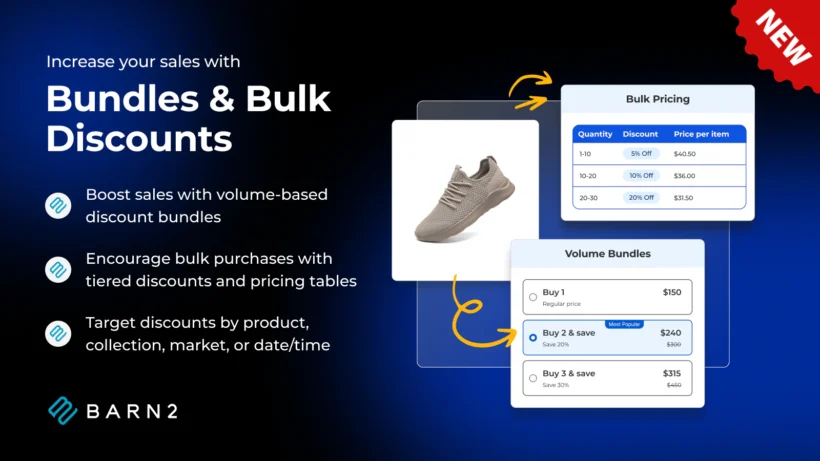
During my research, I discovered that the quantity-based pricing apps in the Shopify App Store didn't quite provide the functionality that my WooCommerce experience tells me that users want. Specifically, most of them focus on "Volume bundles" - a concept I'd never even seen in WooCommerce. They didn't include bulk pricing tiers with tiered pricing tables, which I know from WooCommerce is useful - particularly for high volume or B2B stores.
I got to work and wrote the requirements for Barn2 Bundles & Bulk Discounts, an app which combined both types of quantity-based pricing. Our Head of Development wrote our Shopify tech stack using technologies we were already familiar with, and I assigned one of our WordPress developers to build the app.
After many months of development, testing, design, marketing prep and training for the support team, Barn2 Bundles & Bulk Discounts was launched in September. Following advice from other app founders, we initially launched it with a free tier and don't plan to go premium-only until we have more reviews and the "Built for Shopify" status. That explains why we have over 700 installs but only made $291 so far!
And our second app is well under way 👷
When I was learning about Shopify, I kept hearing that B2B/wholesale is a big pain point. That surprised me because there are some excellent wholesale solutions for WooCommerce, including our own WooCommerce Wholesale Pro plugin. Apparently that's not the case in Shopify, for various reasons.
As a result, I decided that our second app would fix this problem for Shopify merchants. We know a lot about the needs of wholesale stores from our WooCommerce work, and I'm looking forward to using this knowledge to build the best Shopify B2B app on the market. Development is already in progress and "Barn2 Wholesale & B2B" will be launched in 2026 - sign up for early access!
Balancing priorities: WooCommerce vs. Shopify
Balancing my work between WooCommerce and Shopify has been an interesting experience this year. I have enjoyed getting to know the Shopify community, while remaining connected to my WordPress roots. However, I do worry that being so public about Barn2's expansion into Shopify may have been uncomfortable for some people in the WordPress community.
Of course, lots of companies build for multiple, competing platforms. In fact, this year I joined a group of WordPress and WooCommerce product founders who are branching out into Shopify so that we can learn from each other as we explore something new. I have made a conscious effort to show up thoughtfully in both ecosystems and to talk openly about what each platform does well. The intention has never been to move away from WooCommerce, but to broaden my perspective and bring those learnings back into the work I already care deeply about.
Alongside the Shopify work, I spent a lot of time this year raising the profile of WooCommerce. This has included publishing research into how the community can advocate for it more effectively, and launching a dedicated WooCommerce podcast (more on this below). In 2026, I will do a talk at Checkout Summit about how I have used my learnings from Shopify to boost my WooCommerce work.
It can be an awkward balance, and I'm trying to make it work.
We became partners in Setary 🤝
Setary is a bulk edit SaaS for WooCommerce and makes it much quicker and easier to bulk edit large numbers of products and variations. I'd been aware of Setary for years because it was originally built by James Kemp, who often discussed it in our business mastermind group before selling it to his business partner Tom. In February, I saw the below comment from Tom, which was a response to someone's tweet asking what Shopify app they would build if they had the budget:
Actually made an MVP for Shopify connection and basic modification.
Maybe I should resurrect, just hoping a partner would go in with me on this one.
— Admire The Web (@AdmireTheWeb) February 26, 2025
I had no idea whether or not this was a hint, and was in the Philippines at the time for WordCamp Asia, so I posted a 🤔 emoji and promptly forgot about it. I later reached out to Tom and we ended up doing a 50/50 partnership to become part-owners of Setary.
The deal is that Tom does the development and Barn2 handles the marketing, which works well. Setary hadn't been heavily marketed before, so we did a big launch announcement and then put what I call "The Barn2 Marketing Machine" to work. This included everything we do to promote our plugins including lots of new content on both the Setary and Barn2 site, cross-promotion with our existing plugins, and so on.
The impact so far
The results of applying Barn2’s marketing approach were visible almost immediately.
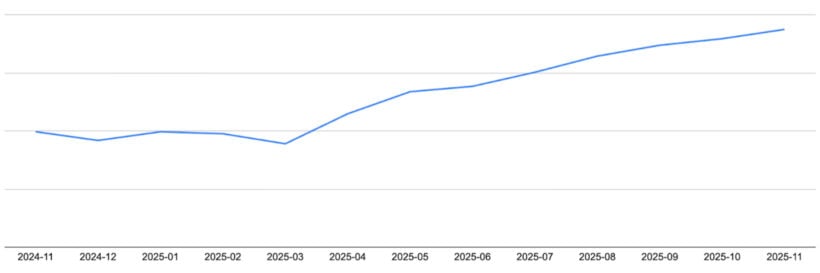
- Setary’s active subscriber base has grown by 48% year over year.
- Monthly recurring revenue grew even faster, increasing by 89% year over year, which shows that growth has come from higher-quality customers rather than just volume.
- Average customer lifetime value increased by 142% year over year.
While it's great that Setary's WooCommerce sales have grown, that wasn't really my motivation for getting involved as it's still smaller than most of our other products. I'm more excited about the promise of a Setary for Shopify app,which I look forward to launching with Tom in 2026.
Improving our WordPress plugins
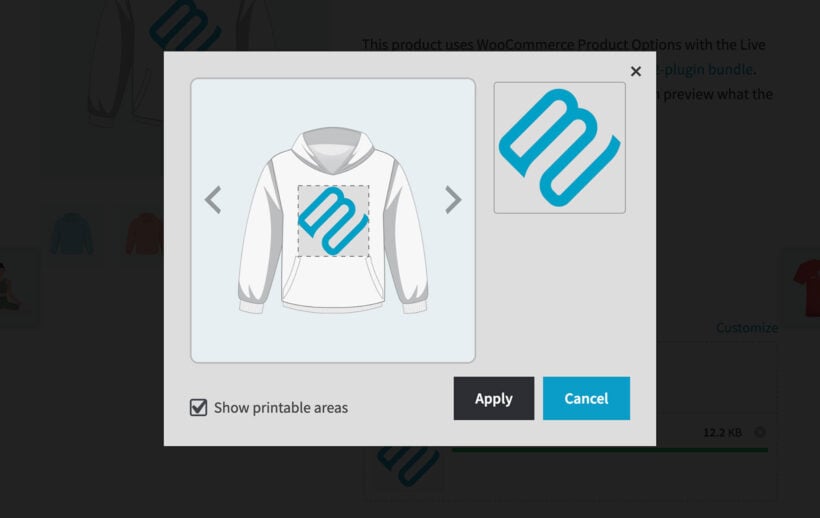
While Shopify apps and Setary are exciting new projects for us, our 19 existing WordPress plugins are still our bread and butter. As a result, we kept up the pace of development - particularly for our most popular plugins - and released a ton of updates plus many new features. Some of the most exciting new features added in 2025 include:
- Live preview features for WooCommerce Product Options (both text and images), plus huge improvements to the price formula field including an AI-powered price formula generator.
- Relaunching Document Library Pro as 2 plans, with lots of extra features in the top tier including built-in access restrictions.
- Adding volume bundles to WooCommerce Discount Manager (you can guess where I got that idea from - yes our Shopify work can benefit our WordPress plugins too ♻️).
- Refactored WooCommerce Product Filters to improve compatibility across themes and plugin stacks.
Support tickets decreased by 14%
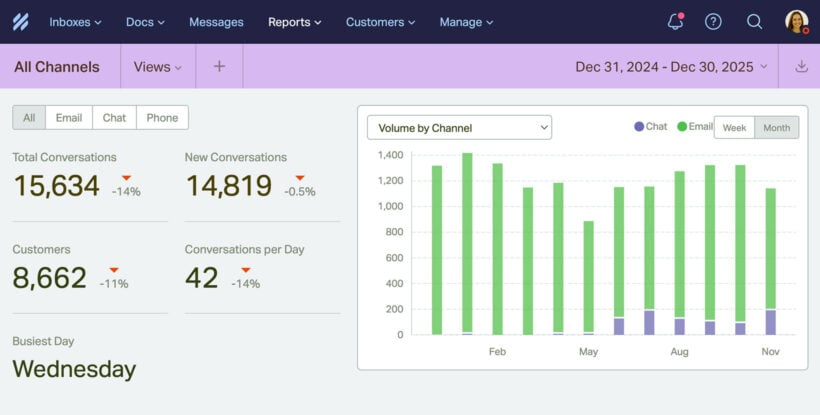
We handled 15,634 support conversations in 2025, 14% less than last year. That's similar to the drop in our new sales, which makes sense.
Our support team remained steady at 8 people all year, so technically we are over capacity. Instead of reducing the size of the team, I put a lot of emphasis into improving the quality and customer focus of our support - aiming to delight our customers and go the extra mile. This includes expanding our live chat coverage to almost 24 hours per day, and trialling new initiatives such as phone calls when customers request it. I also created some support core values to ensure we're all working towards the same goal.
The Barn2 team
We ended 2025 with 18 team members including myself, plus two freelance developers who we regularly work with for extra capacity - similar to last year. The team is remarkably stable and has practically zero staff turnover, which hopefully suggests that people like working at Barn2!
As a 100% remote company, we have team members in 11 countries: Bangladesh, France, Italy, Germany, Malaysia, Morocco, Pakistan, Philippines, Poland, Spain, and the US.

The team now consists of:
- CEO
- Head of Development
- 4 Developers (plus 2 freelance developers)
- Quality Assurance Engineer
- Marketing Specialist
- Video Producer
- Designer
- Support engineers (tier 1-3), including VA time for marketing assistance and finance support.
- Plus Ellipsis who provide a CMO-As-a-Service plus content strategy
Events, events, and more events
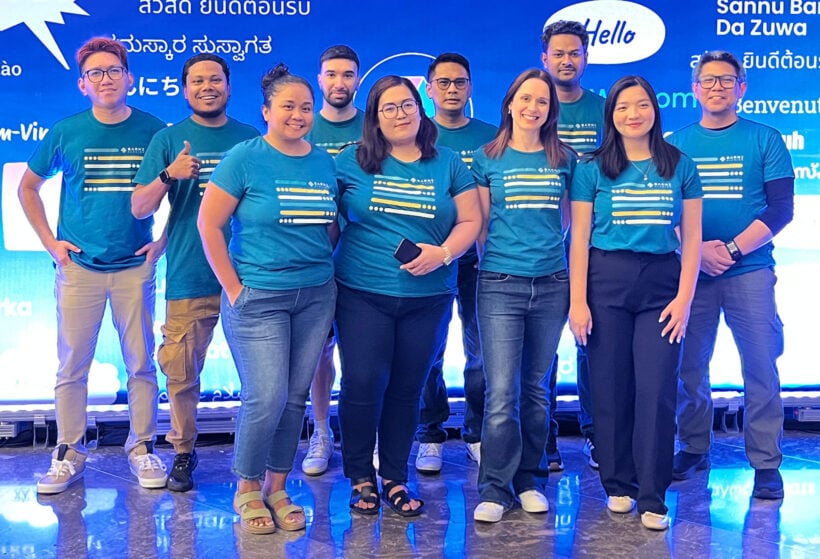
In 2025, I attended more industry events than any other year - 8 in total! These were:
- WordCamp Asia in Manila, Philippines in February, which was attended by 10 Barn2 team members.
- PressConf in Arizona, US in April - A new conference aimed at WordPress professionals, which was an excellent chance to get to know more people from the WordPress community.
- The Wide Event in Paris, France in May - my first ever Shopify event and an opportunity to meet lots of app founders.
- The TechTonic and Editions.dev conferences in Toronto, Canada in June.
- WordCamp Europe in Basel, Switzerland in June.
- WordCamp US in Portland, US in August.
- WordPress Day for Ecommerce in Porto, Portugal in November - a new conference focused on ecommerce where I met up with 3 team members.
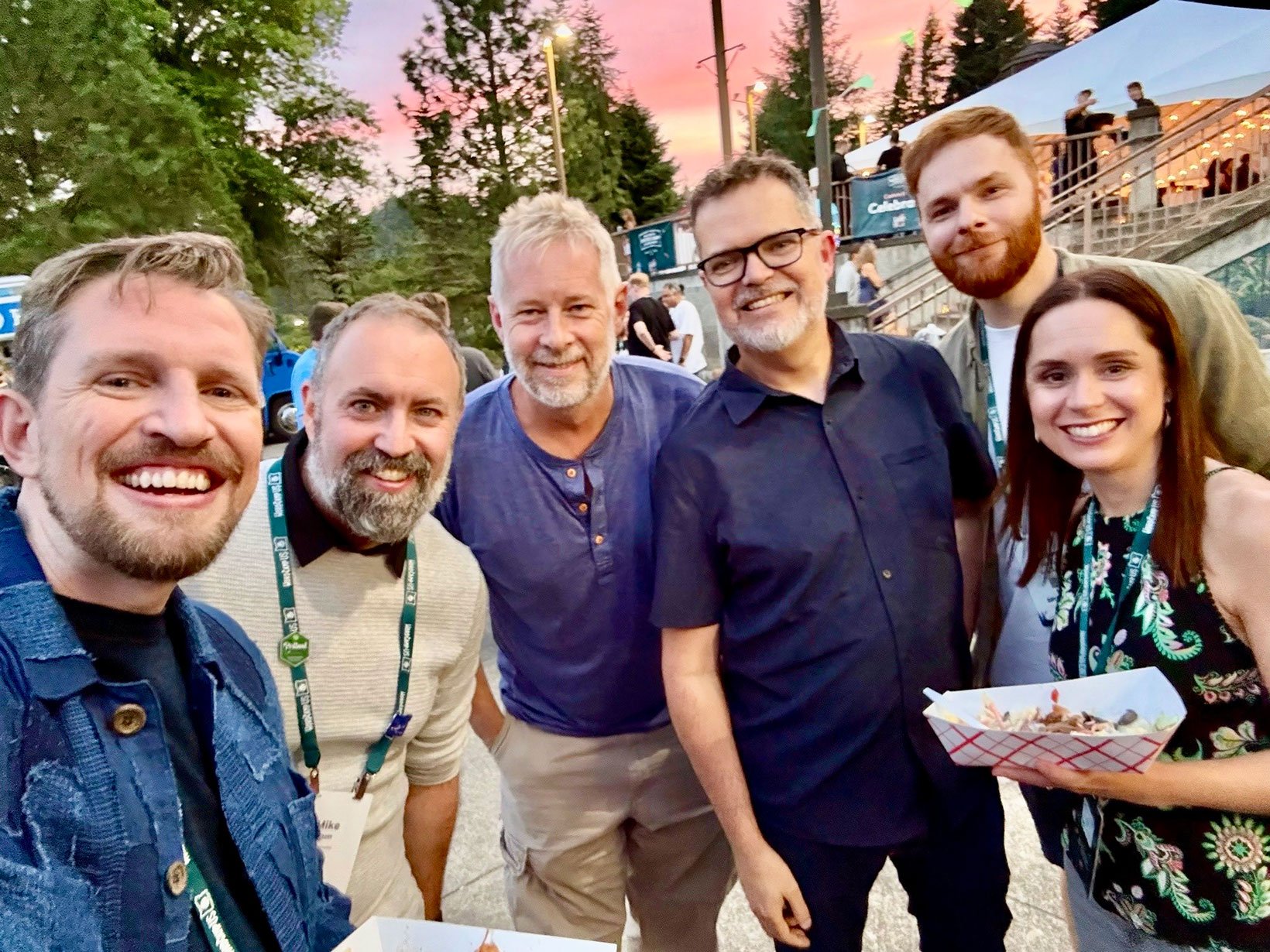
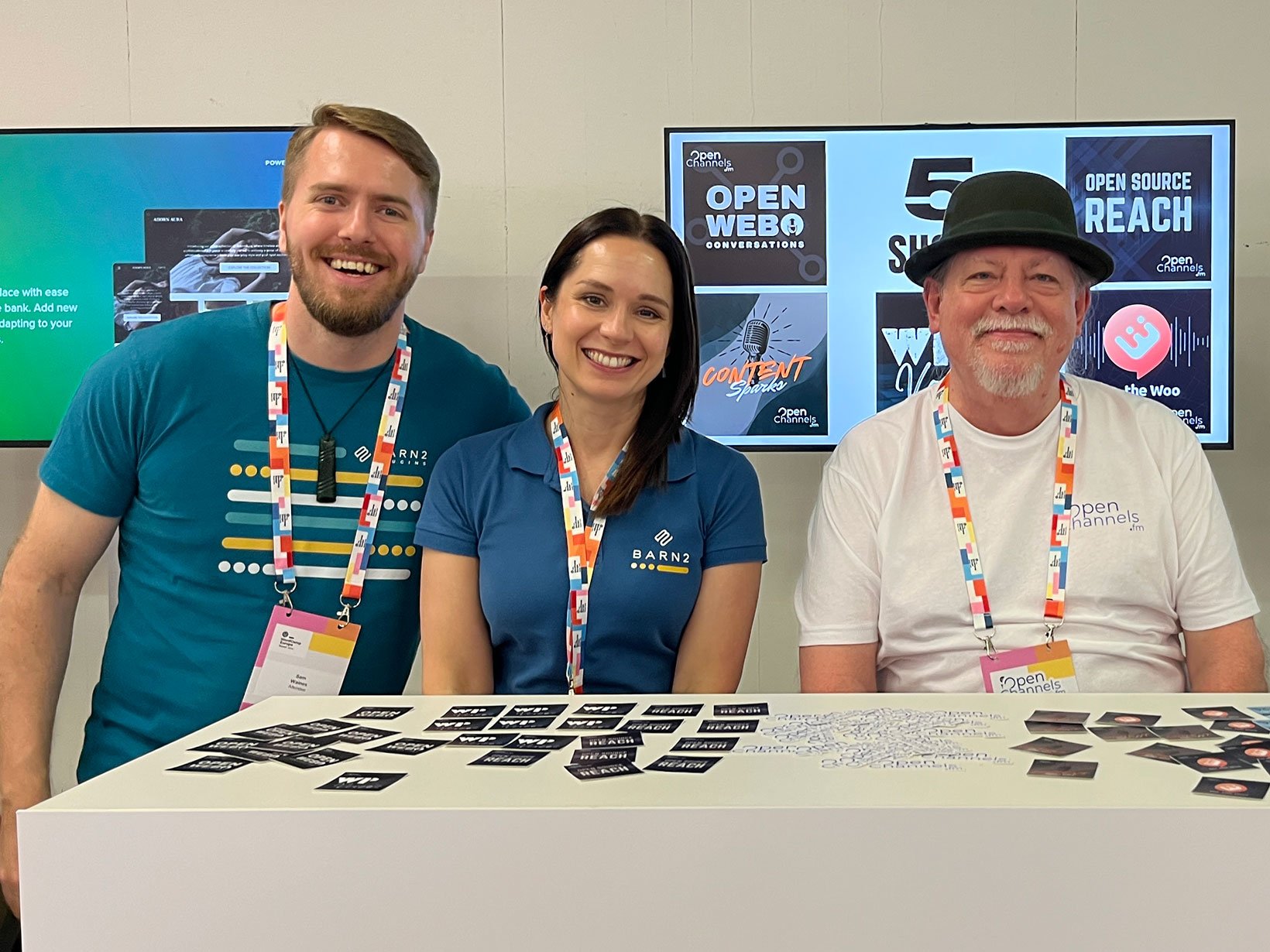
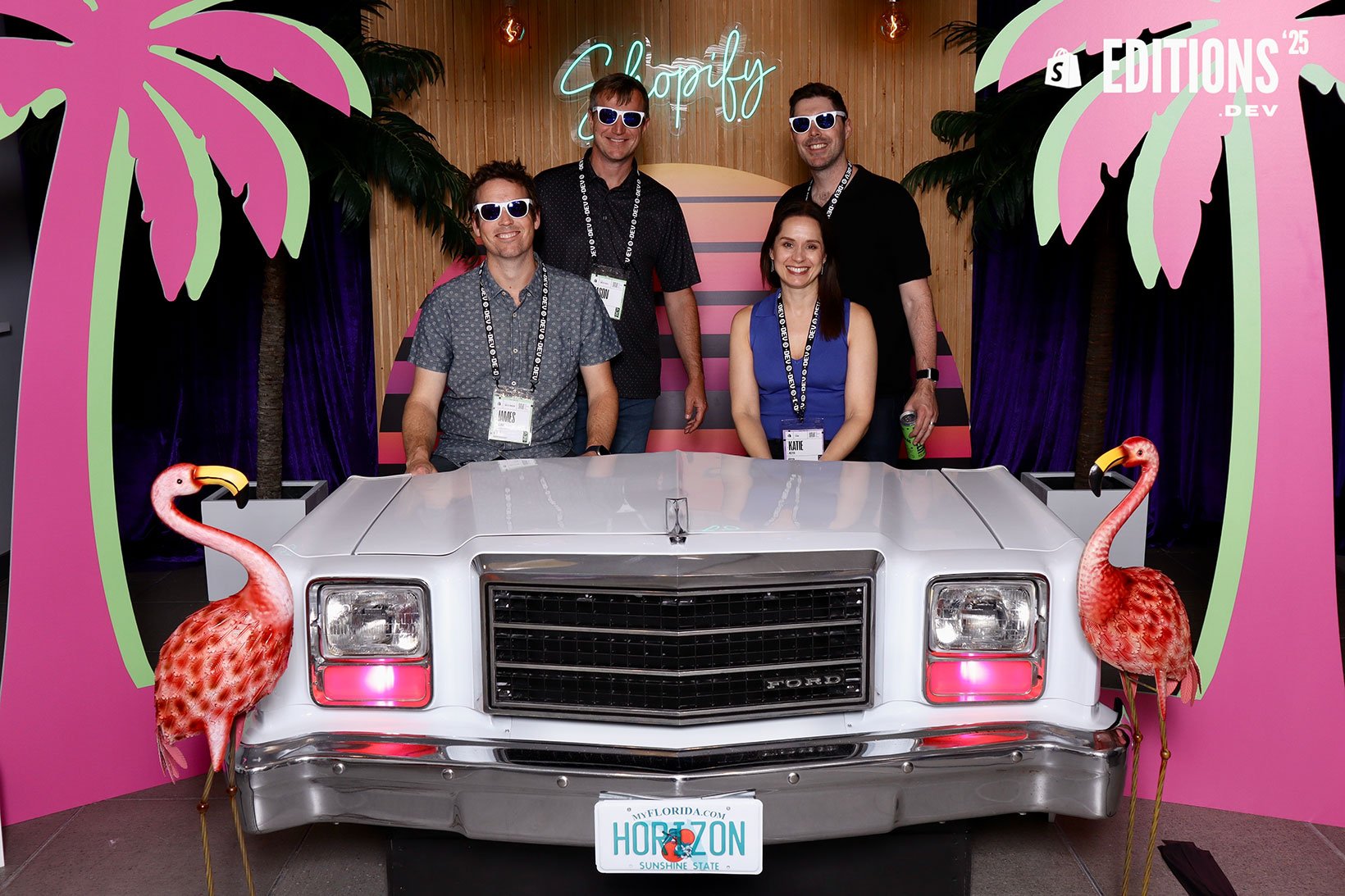
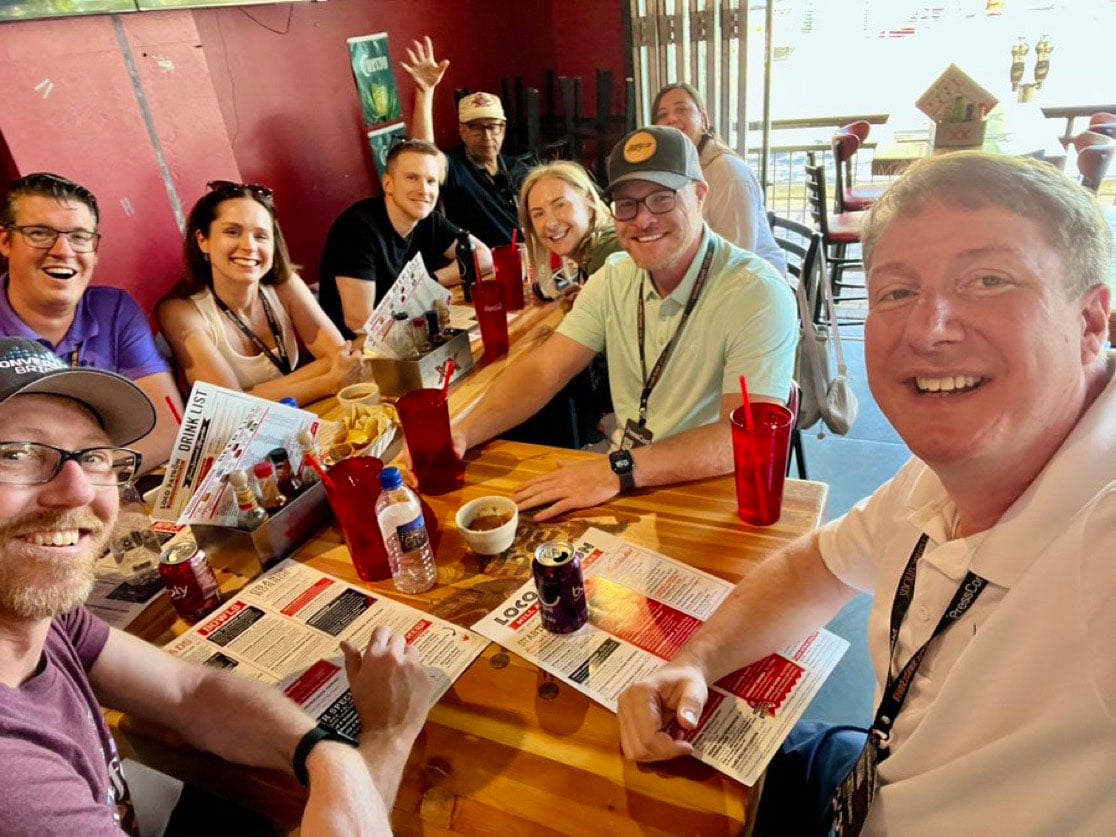

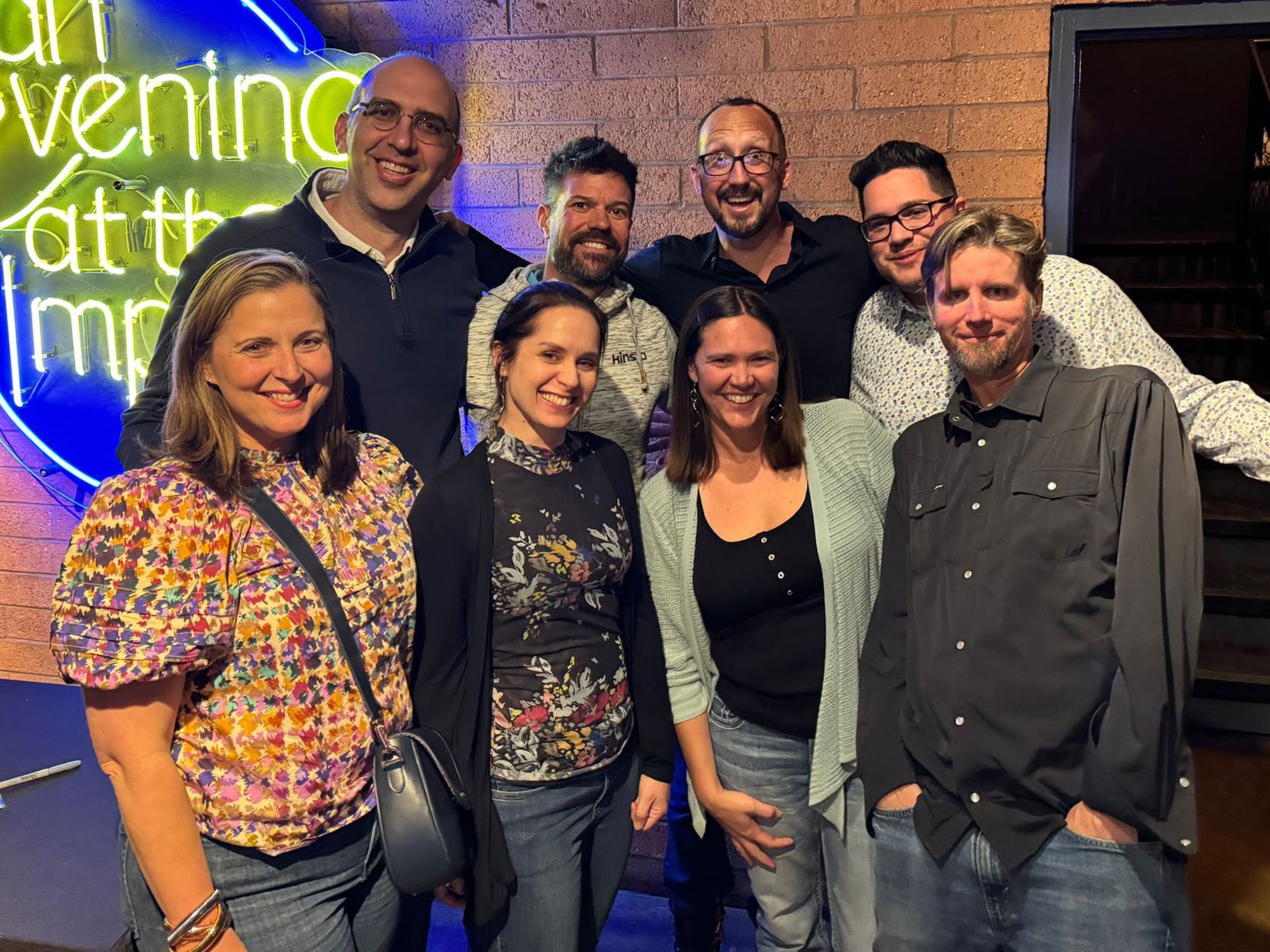
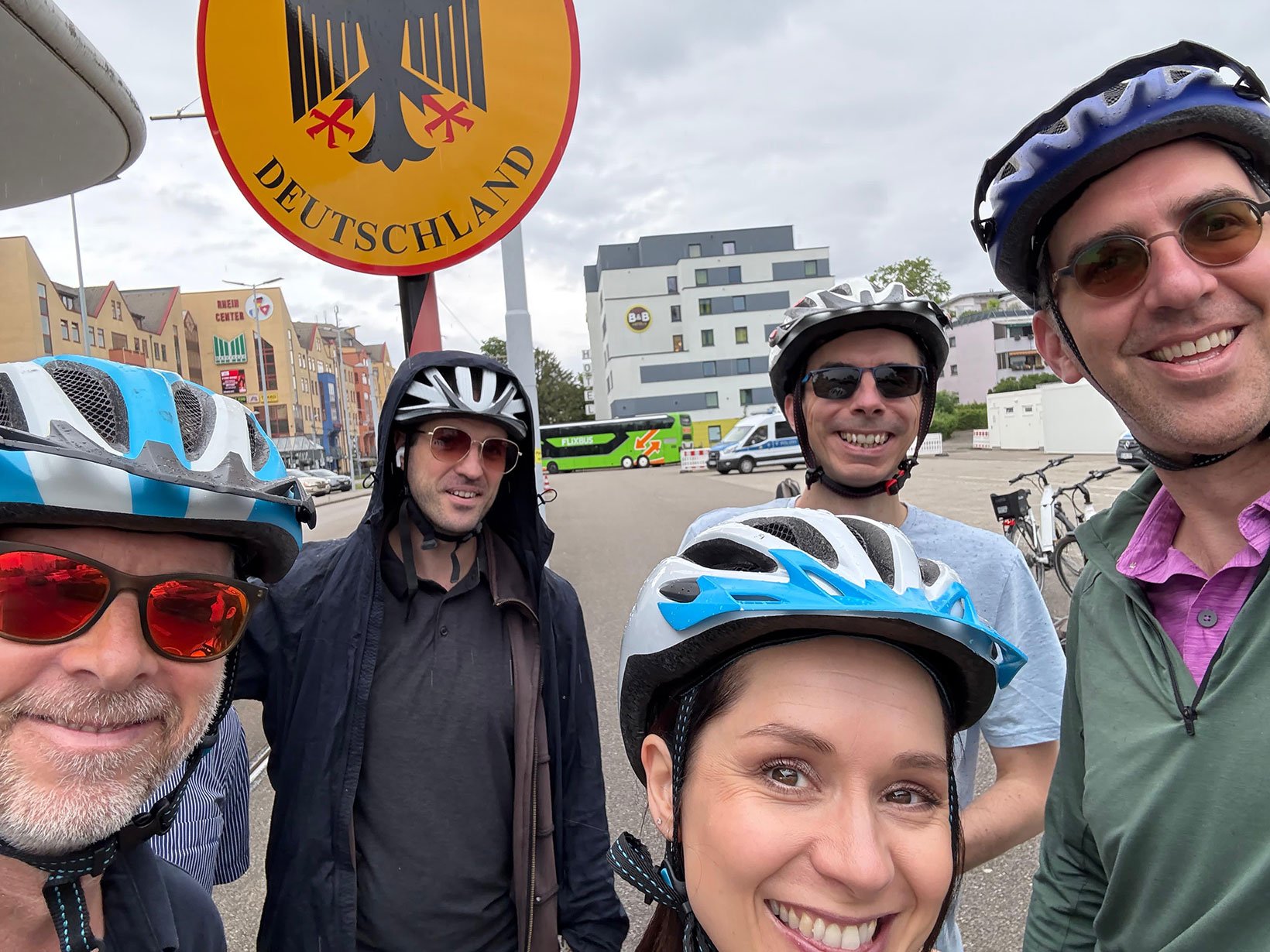
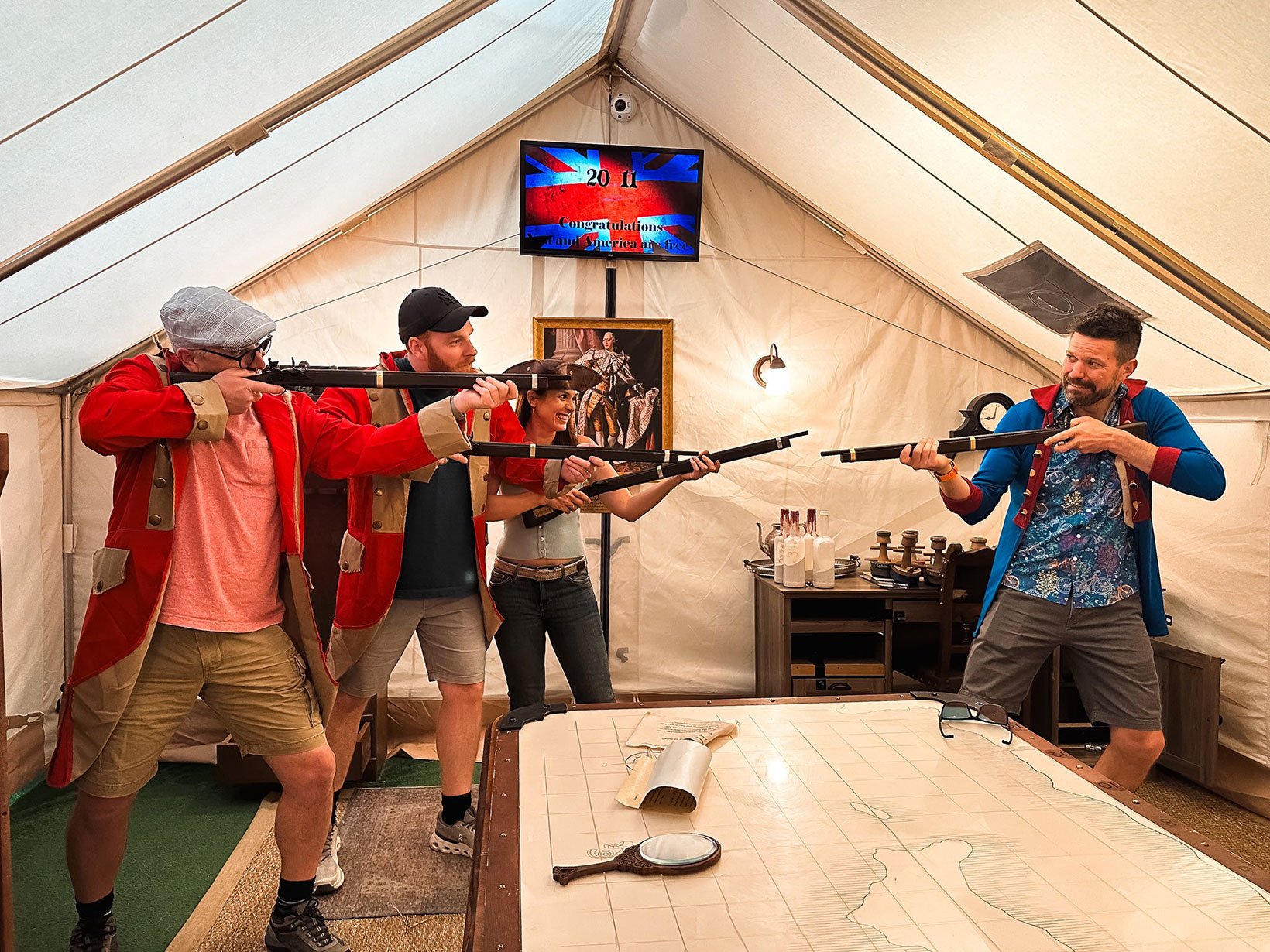
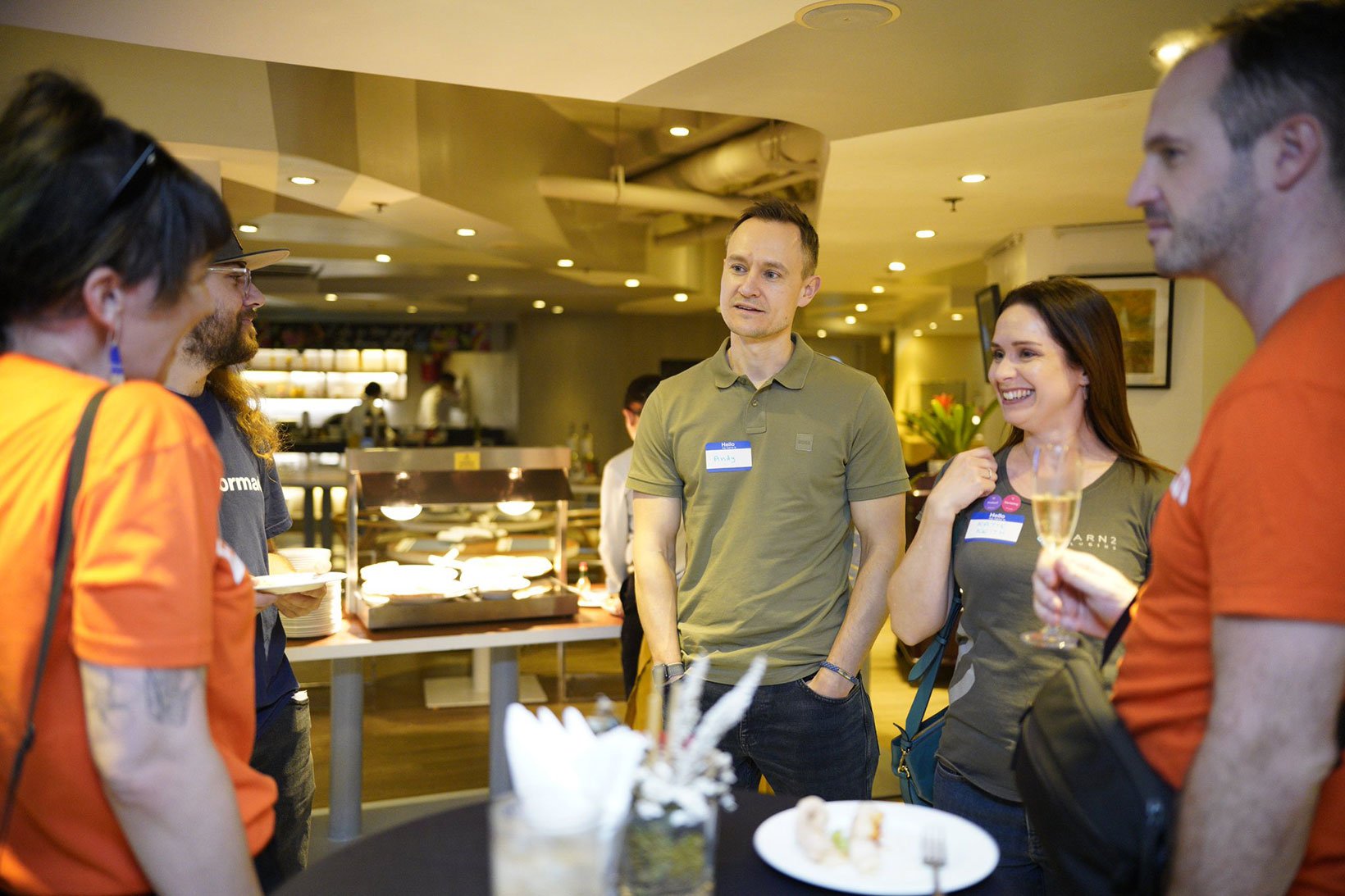
Attending WordPress events is very familiar and comfortable for me. I have tons of awesome friends, plus lots of people I know from online. However, attending three Shopify events on my own was a very different experience! For the first time ever, I had to walk into a crowded room and find the confidence to start conversations with new people. This was scary, but I managed to find the courage and met lots of amazing people. Definitely a good test of my networking skills!
I kept notes of what I got out of attending each event - largely to justify them from a financial perspective. I came away with long lists of business benefits, ranging from general learning to specific ideas and cross-promotion opportunities. However, attending the Shopify events was far more valuable than the WordPress events. This is simply because I'm new to Shopify and have so much to learn. But WordPress events are more enjoyable because that's where I have the most fun and hang out with my friends.
Growing my speaking experience
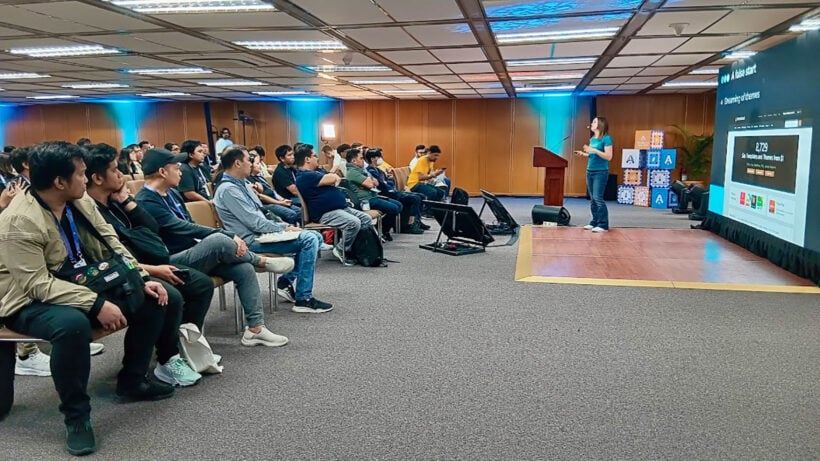
I was surprised and flattered by this tweet at the start of 2025:
You're at a WordPress conference and the first session has four options. The topic description is too small to read and all you can see are the names. Which session do you choose?
— Andrew Hoyer (@andrewhoyer) January 6, 2025
But I aim to please! In 2024, I spoke at a WordCamp for the first time. This year, I built on this by speaking at 4 events:
- "From Code to Commerce: My Transition from Agency to Plugin Entrepreneur" at WordCamp Asia.
- "What Top WordPress Product Companies Do Differently — Masterclass for Product Builders" joint masterclass with Matt Cromwell at WCUS.
- "Seamless Shopping Journeys: How to Remove Friction From First Click to Checkout" at the online Prepathon conference.
- "What Top Ecommerce Stores Get Right (and How You Can Too)" at Ecommerce Day.
- And at Ecommerce Day, I also interviewed James Kemp from Woo about "The Future of Selling with WordPress".
I've gradually built my confidence by initially doing joint talks, then a 10-minute lightning talk on my own, then a solo talk online, and only after that was I ready to do a full-length talk on my own. And I already have several lined up for 2026 💪
I flew 55,265 miles ✈️
Amazingly, I did a total of 33 flights this year, most of which were work-related. According to Flighty, that's the equivalent of flying around the world 2.2 times!
Podcasting 🎙️
WP Product Talk
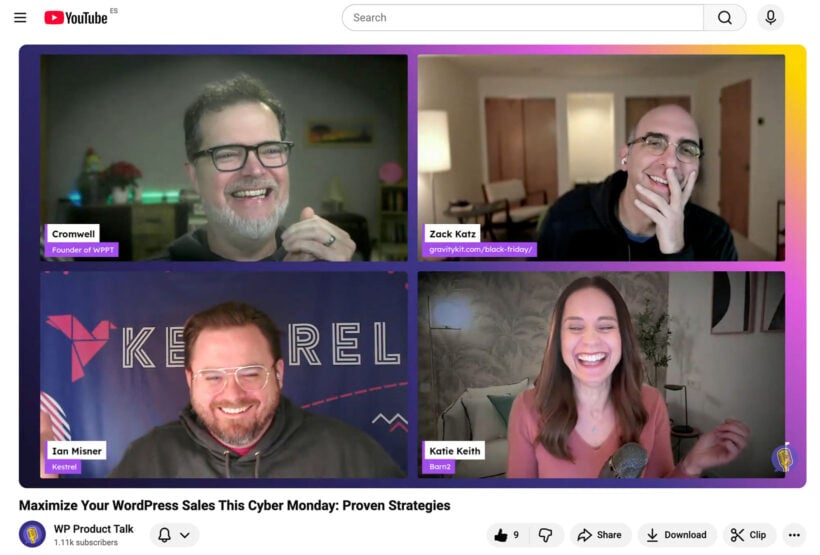
I continued co-hosting WP Product Talk, the podcast for WordPress product people. I have lots of fun with my three co-hosts Matt Cromwell, Zack Katz and Ian Misner (who replaced Amber Hinds a few months ago) and we speak with lots of excellent guests who provide valuable insights to learn from.
While we've always done WP Product Talk on a volunteer basis with the aim of giving back to the WordPress community, this year we took on Freemius as a "Growth Partner" who are covering costs and helping us to grow. It's going really well and we have quickly grown from a few hundred to over 1,000 subscribers. The goal is to reach 10,000 in 2026 - you can subscribe here! 🚀
Do the Woo → Open Channels → Do the Woo
At the start of the year, I started hosting the Woo ProductChat show at Do the Woo, with co-host James Kemp. (Previously I had co-hosted the Woo BizChat show with Marcus Burnette.) Each month, James and I chatted with an experienced product founder from the WooCommerce community.
In June, Do the Woo rebranded as Open Channels to reflect the fact that over the years, it had evolved into a general WordPress podcast and was no longer specific to WooCommerce. However, James and my goal in joining the podcast was to raise the profile of WooCommerce! As a result, we considered how best to achieve that aim, and decided that WooCommerce needed its own dedicated podcast.
With Bob Dunn's support, we are now planning to relaunch Do the Woo as a new show under the Open Channels network. This will be 100% WooCommerce-focused. Our first guest will be Matt Mullenweg on January 14, 2026 - Co-Founder of WordPress and CEO of Automattic - and I'm excited to discover his views on the future of WooCommerce. Don't miss it:
- Subscribe on YouTube.
- Follow on X.
- Or visit the new Do the Woo website to subscribe on your favorite podcast platform.
Analyzing (& optimizing) my role
In September, a conversation with Raquel led to a surprising amount of soul searching!
On the face of it, the fact that I've grown such a big team suggests that I must be good at delegating. However, there were a ridiculous number of tasks that I still do myself. I analyzed my responsibilities and realized they fall into five big buckets:
- Strategy and leadership - Company direction, priorities, and the decisions that shape everything else.
- Product and customer experience - Product strategy, researching and writing specs, testing feedback loops, documentation input, and escalations.
- Marketing and growth - Approving strategy, reviewing and creating content, product messaging, email marketing, partnerships, affiliate program oversight, launches, and reputation management.
- Operations and finance - Hiring and performance management, team processes, internal systems, cashflow oversight, and approval of accounts and VAT returns.
- Community and brand - Live Q&As, podcasting, speaking, interviews, social presence, and networking.
The uncomfortable truth is that even with a great team, I was still too central to too many day-to-day decisions and hands-on tasks, which left less time for the strategic work that should be my main focus.
Time to delegate!
After analyzing my role, I made some immediate decisions:
- I delegated holiday requests and automations to existing team members.
- I fired almost all our remaining web design clients, referring them to trusted developers who could take over their hosting and maintenance. This did reduce our monthly revenue by hundreds of dollars, which was a bit painful given that the income was largely passive - but the clients did make regular requests for me to handle, which distracted me from other tasks.
- And most importantly, I decided to hire a Marketing Specialist to take over my day-to-day marketing tasks.
To be fair, I had previously tried to expand the marketing team multiple times, and had struggled to identify the type of person and skills that I need. This put me off trying again, but writing the above list gave me newfound hope to advertise. After a few weeks sorting through 500 applicants (including 6 interviews, one of which was blatantly reading her answers from AI 😬), we hired a Marketing Specialist in October. It's going well and already taking a lot of work off my plate.
How did I spend my time?
As you can see, I work on many different things! Let's look at how this actually breaks down into time:

I tracked 1,485 working hours in 2025, compared to 1,399 in 2024. That averages 28.5 hours per week - not bad for a busy CEO! I do have a pretty good work-life balance because while I work hard when I can, exercise every day, take part-days off to go walking or for lunch with my friends or husband Andy, and help with homeschooling my daughter.
A few things stand out when I analyze my timesheets:
- The largest single category was reactive, day-to-day work. This reflects context switching, emails, quick decisions, and jumping between tasks rather than focused deep work - an inevitable part of being a CEO, and keeps me on my toes!
- A significant amount of time went into marketing and content. This was not a deliberate strategy. It was largely me doing too much myself instead of delegating earlier, which is why I have since hired a Marketing Specialist (see above).
- Podcasts and events together took over 1/5 of my time. They are hard to tie to short-term revenue, but they consistently lead to relationships, visibility, and long-term opportunities. I also genuinely enjoy this work, which helps me to stay motivated over the long term.
- The Shopify category includes research, learning, product management and marketing. It's a lot of time given that our Shopify apps are pre-review, and will hopefully be worth it in future.
- Time spent on Setary was disproportionate to current revenue. That was expected - most of it was upfront work to build a solid foundation and a bank of Setary-related content that should keep paying off without the same level of ongoing effort. Now this work is complete, we can maintain/grow Setary for WooCommerce's current sales with less marketing time.
I'm a bit concerned about how much of my time was spent on non-revenue-generating activities, especially given the decline in new sales. Would the decline have been any less if I hadn’t spent so much time on podcasts, attending events, and expanding into Shopify, which may or may not be successful?
I suppose there's no real way of knowing the opportunity cost of those decisions. What I do know is that I chose to spend time doing things that I enjoy and that I hope will pay off over the longer term, even if they didn't move the needle in a measurable way this year. And of course, I have a talented team behind me who are tirelessly working on our core business while I work on longer-term initiatives, experiments, and relationships that would be hard to justify if I was measuring everything purely on short-term revenue. In 2026, I plan to keep the parts I enjoy, but be stricter about what earns a place on my calendar.
Questions from the community
I tweeted asking what else you'd like to see in my Year in Review this year. Here's what you requested:
- How helpful your office hours have been?It's impossible to measure the ROI of our monthly livestreams, but it feels like they're worth doing. About 70-100 people watch live each time and there are always plenty of questions, which makes it feel like we're making a difference. Occasionally, people have commented that the fact that we do the livestreams has made them "a customer for life". I feel that even for people who don't watch the livestreams, the fact that we mention them in a banner at the top of our website for a few days beforehand makes us look more accessible as a company. However, I don't have any numbers to back this up!
- Are you looking to have more products, less or continue as is?Right now the plan is to build one more Shopify app - Barn2 Wholesale & B2B - and focus our energies on that plus our most successful WordPress plugins. Beyond that, we need to consider whether to build more WordPress plugins or Shopify apps in order to regain the sales that we lost this year.
- Traffic volume change on articles/content that existed prior to Jan 1.Visits to our most popular posts in 2025 are down an average of 42% compared to 2024. This fits with what I've heard about more and more people discovering plugins via AI instead of Google organic.
- Would love the lessons that surprised you and the ones that stuck.I think the biggest lesson for me is how to be stricter with my time, and what my role covers. I've already made some real, permanent differences as a result (see above).
"What is Andy doing now?"
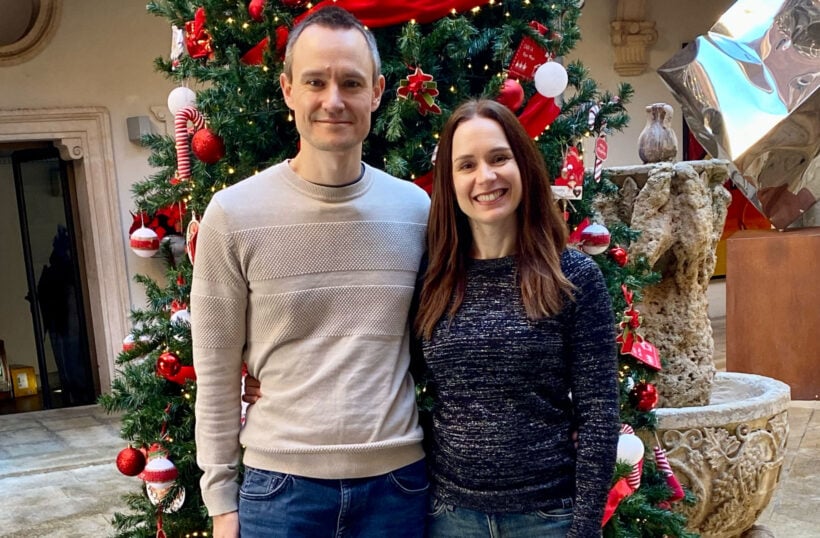
People constantly ask me this at WordCamps, so I thought I'd better mention it!
You may remember that Andy - my husband, co-founder and co-director - stepped down from the business in mid-2024 and I am now running Barn2 on my own.
Since then, Andy has been taking some time out, as well as running the Airbnb that we own in Mallorca, which we had shared responsibility for before. It's a surprising amount of work, even though we have a cleaner!
He is also a Non-Executive Director of Barn2, as well as remaining as 50% owner. This means that while I'm in charge of the day-to-day running of the company, he's available for advice on a consultancy basis. In practice, this means that we have regular discussions about higher level/strategic issues such as feature gaps he has spotted in our plugins, how to grow our sales, analyzing the statistics I periodically send him, and advising on questions where I'd benefit from a different perspective or second opinion.
Since late 2024, our 14-year-old daughter has been home full-time doing her education online, which takes up a lot of time for both of us. Luckily, Andy and I have very different skillsets, which allows us to divide up her subjects perfectly! He supports her with the technical/math/computing subjects while I do things like Business and English.
What's in store for 2026?
Before we set new goals, let's see whether we met our goals from last year:
| Goal | Achieved? |
|---|---|
| Revenue and profitability: Increase revenue by 15% and profitability by 10%. | ❌ ❌ Revenue increased by 0.65%, and profitability decreased by 10%. |
| Diversification: Launch at least 2 Shopify apps and start generating regular sales. | ✅ ❌ Launched 1 app, which is getting regular installs but not sales due to currently being free as part of a longer-term growth strategy. |
Existing plugins:
|
✅ ✅ |
| Customer support: Reduce the average response time for support tickets by 20%. | ❌ Response times increased, so I need to focus on this next year. |
| Website: Focus on improving areas of the Barn2 website that will directly improve conversions. | ❌ While we have made improvements, work on the website has been delayed by a large backlog of small but important tasks. |
Community:
|
✅ ✅ ✅ |
A mixed bag, sadly - particularly with the financials which is partly due to external factors.
Here are my goals for 2026:
- Revenue and profitability: Return to YoY growth in new sales by Q3 2026.
- Existing plugins: Add sales-boosting new features to our most popular plugins, particularly Document Library Pro and WooCommerce Product Options. Also Relaunch our three WordPress table plugins to make them more modern and performant, aiming to turn around their declining sales.
- Shopify apps: Continue to grow our Barn2 Bundles & Bulk Discounts Shopify app and start monetizing it; and launch Barn2 Wholesale & B2B.
- Podcasts: Keep growing WP Product Talk, and make Do the Woo a success and grow its subscriber base.
I’ll share how it all goes in next year’s review. Until then, thank you to the Barn2 team and the wider WordPress and WooCommerce community for your support, feedback, and encouragement throughout 2025. I’m lucky to get to build this business alongside so many great people.